
Best Month to Visit Vietnam: A Complete Weather Guide by Region

The best month to visit Vietnam is March for most travelers planning a journey across several regions. Northern Vietnam becomes warmer after winter, Central Vietnam usually enters a drier period, and Southern Vietnam remains sunny before the wet season begins. However, Vietnam stretches over 1,600 kilometers north to south, so weather conditions vary significantly between Hanoi, Hoi An, Ho Chi Minh City, and the coastal islands. This guide AsianWay Travel explains when to visit each region, which months offer the best overall conditions, and how to choose a travel period based on your route and preferred experiences.
What Is the Best Month to Visit Vietnam?
March offers one of the most balanced weather patterns for a trip covering Northern, Central, and Southern Vietnam. It is not perfect in every destination, but it reduces the risk of extreme heat, prolonged rain, and disruptive storms.
.png)
Why March Is the Best Overall Month
March works particularly well for travelers following a classic north-to-south route. Temperatures are generally comfortable, domestic transport operates normally, and most major destinations are suitable for outdoor activities.
-
Northern Vietnam becomes milder: Hanoi, Ninh Binh, and Ha Long Bay begin moving away the coldest winter conditions. Days are usually comfortable for walking tours, boat trips, and countryside excursions, although mornings can remain cool.
-
Central Vietnam is relatively dry: Hue, Da Nang, and Hoi An often experience clearer weather than during the late-year rainy season. Visitors can explore imperial sites, cycle through rural villages, and spend time by the coast without intense summer heat.
-
Southern Vietnam remains sunny: Ho Chi Minh City, the Mekong Delta, and Phu Quoc are still within the dry season. Blue skies and lower rainfall make March suitable for river excursions, island stays, and city sightseeing.
-
Temperatures are manageable: March avoids the strongest summer heat in many regions. Walking through Hanoi’s Old Quarter or visiting the temples of Hue feels more comfortable than during the humid months of June and July.
-
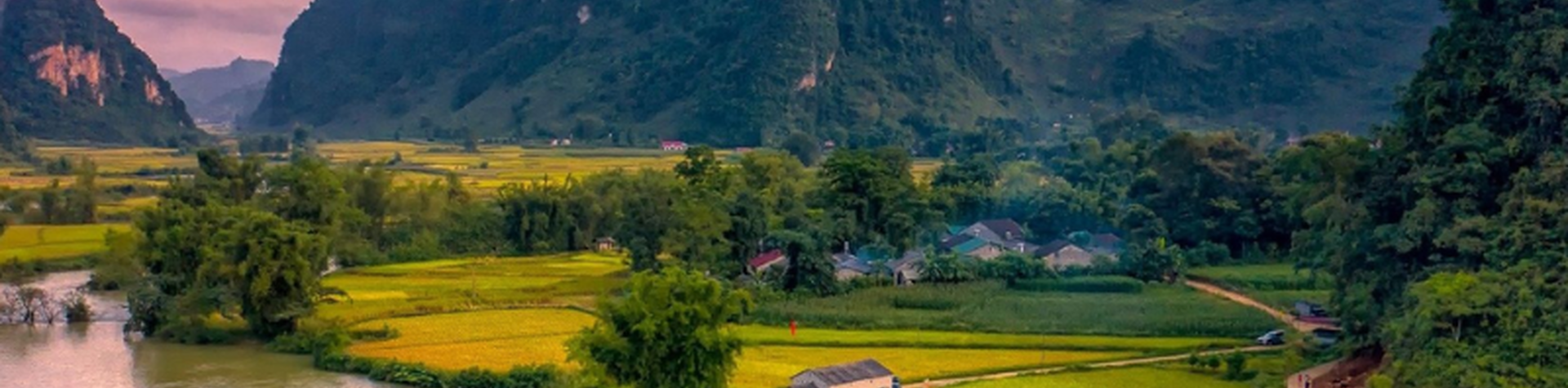
The scenery remains varied: Northern valleys begin turning greener, Central Vietnam receives more sunshine, and the Mekong remains active with boats, markets, and riverside communities.
A March journey can begin with cool mornings in Hanoi, continue through the warm streets of Hoi An, and finish under bright southern skies. This contrast is one of the main reasons the month suits a multi-region itinerary.
.png)
See more: Angkor Wat Travel Guide: Everything First-Time Visitors Need to Know
When March May Not Be the Best Choice
March is a strong general option, but specific destinations may have better conditions at other times of year.
-
Mountain areas can remain misty: Sapa and Ha Giang may still experience fog, cloud cover, and cold mornings. Travelers planning long trekking days may prefer September, October, or November.
-
Central beaches are not always at their best: Da Nang and Hoi An can have pleasant weather, but sea conditions and water temperatures may be more suitable April onward.
-
Popular destinations can be busy: March falls within a favorable travel period, so flights, hotels, and cruises may cost more than during the wetter months.
-
Regional weather remains unpredictable: A sunny day in Ho Chi Minh City does not guarantee clear skies in Ha Long Bay. Travelers should prepare for light rain and changing temperatures.
.png)
Other Good Months to Consider
The best alternative depends on whether you prioritize beaches, trekking, fewer crowds, or a specific region.
|
Month |
Best for |
Main advantage |
Main limitation |
|
February |
Central and Southern Vietnam |
Dry weather and comfortable temperatures |
Northern Vietnam can remain cold and cloudy |
|
April |
Beaches and nationwide travel |
Warm conditions across most regions |
Southern temperatures begin rising |
|
October |
Northern landscapes and trekking |
Cooler air and green mountain scenery |
Central Vietnam may experience heavy rain |
|
November |
Northern and Southern Vietnam |
Dry, pleasant conditions in many areas |
The central coast can still be wet |
|
December |
Southern Vietnam and city travel |
Reliable dry-season weather |
Higher prices during the holiday period |
.png)
Best Time to Visit Northern Vietnam
Northern Vietnam has four more distinct seasons than the rest of the country. The best periods are generally March to April and September to November, although the right choice depends on whether you plan to visit cities, bays, rice terraces, or mountain roads.
-
March to April: Hanoi, Ninh Binh, and Ha Long Bay usually experience mild temperatures. Trees regain their color, limestone landscapes appear greener, and outdoor sightseeing is less tiring than in summer.
-
September to November: This is one of the best periods for trekking and mountain travel. The air becomes cooler, rainfall decreases, and some rice-growing areas turn golden before harvest.
-
December to February: Hanoi can feel cold and damp, while Sapa and Ha Giang may become significantly colder. Mist can hide mountain views, but cities are quieter and atmospheric.
-
May to August: Temperatures and humidity rise, with frequent downpours. The countryside becomes intensely green, although landslides and road disruption can affect remote mountain routes.
.png)
Best Time to Visit Central Vietnam
The best time to visit Hue, Da Nang, and Hoi An is usually February to May. These months generally bring lower rainfall, more sunshine, and moderate temperatures before the strongest summer heat arrives.
-
February to May: Suitable for heritage visits, cycling, city walks, and coastal stays. Hoi An’s streets are easier to explore without the heavy rain that often affects the final months of the year.
-
June to August: Beach conditions are often favorable, particularly around Da Nang and Hoi An. However, midday temperatures can become intense, so outdoor sightseeing is better planned for early morning or late afternoon.
-
September to November: Heavy rain, storms, and flooding can affect parts of the central coast. Hoi An and Hue are especially vulnerable during periods of prolonged rainfall.
-
December to January: Conditions begin improving, but cool temperatures and occasional rain may continue in Hue and Hoi An.
.png)
See more: Vietnam Tour
Best Time to Visit Southern Vietnam
Southern Vietnam has two main seasons: the dry season approximately December to April and the wet season May to November. February and March generally offer the most dependable conditions for Ho Chi Minh City, the Mekong Delta, Phu Quoc, and nearby coastal areas.
-
December to April: Rainfall is lower, skies are clearer, and travel is easier. This period suits city sightseeing, Mekong boat trips, and beach holidays.
-
February to March: These months offer a useful balance of sunshine and manageable humidity. Temperatures are warm, but conditions are usually less oppressive than in late April.
-
May to November: Rain often arrives in strong afternoon showers rather than continuing all day. Prices may be lower, and popular attractions are usually less crowded.
-
July to September: Rainfall can become heavier, particularly in the Mekong Delta and on some islands. Ferry schedules and outdoor activities may occasionally be affected.
.png)
How to Choose the Best Month for Your Vietnam Trip
The ideal month should match your route rather than a single national weather forecast. A traveler visiting only Northern Vietnam has different priorities someone combining Hanoi, Hoi An, and Phu Quoc.
|
Travel plan |
Recommended months |
|
North-to-south journey |
March or April |
|
Northern cities and Ha Long Bay |
March to April or October to November |
|
Northern trekking |
September to November |
|
Central heritage route |
February to May |
|
Central beach holiday |
April to August |
|
Southern Vietnam |
December to April |
|
Lower prices and fewer crowds |
May, June, or September |
.png)
Plan Your Vietnam Journey with Asianway Travel
March is often the best month to visit Vietnam for travelers planning a complete journey north to south. It provides a useful balance of mild northern weather, drier central conditions, and sunny days in the south. However, the best travel period still depends on whether your priorities include trekking, beaches, heritage sites, food experiences, or quieter destinations.
Planning a Vietnam itinerary across several climate regions requires more than choosing one favorable month. With over 20 years of destination experience, Asianway Travel can adjust your route, accommodation, and activities around local weather patterns and your preferred travel pace. Explore our Vietnam tours or speak with our local specialists to design a practical itinerary for the season you plan to travel.