
Best Places to Go in Cambodia: 8 Destinations for Culture, Beaches and Nature
The best places to go in Cambodia extend far beyond the famous towers of Angkor Wat. The country combines ancient Khmer cities, energetic riverfront neighborhoods, quiet farming communities, forested highlands and tropical islands within one journey. However, each destination serves a different type of traveler, so choosing the right route matters. This guide AsianWay Travel compares eight places based on their strongest experiences, recommended length of stay and ideal travel style. Whether you want to explore temples, understand Cambodia’s history, meet rural communities or finish your trip beside the sea, these destinations provide a practical starting point.
8 Best Places to Go in Cambodia
Cambodia’s leading destinations are spread across several regions. Rather than visiting as many places as possible, choose locations that match your interests and allow enough time for meaningful experiences.
.png)
1. Siem Reap – Best for Angkor Temples and Khmer Heritage
Siem Reap is the essential first stop for travelers interested in Khmer history. It provides access to Angkor, an archaeological landscape covering temples, reservoirs, roads and former urban settlements.
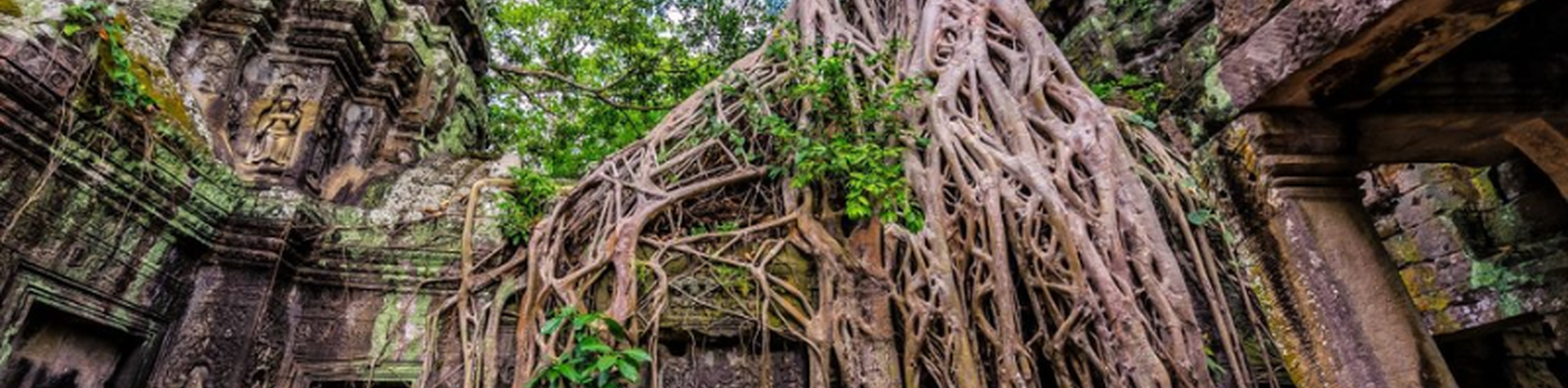
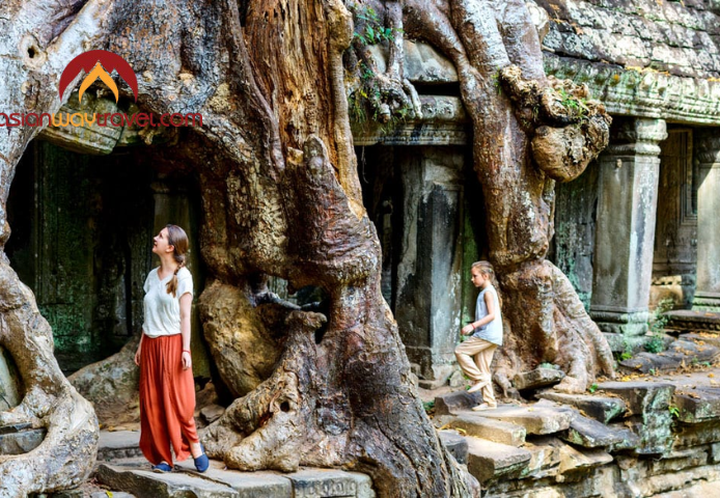
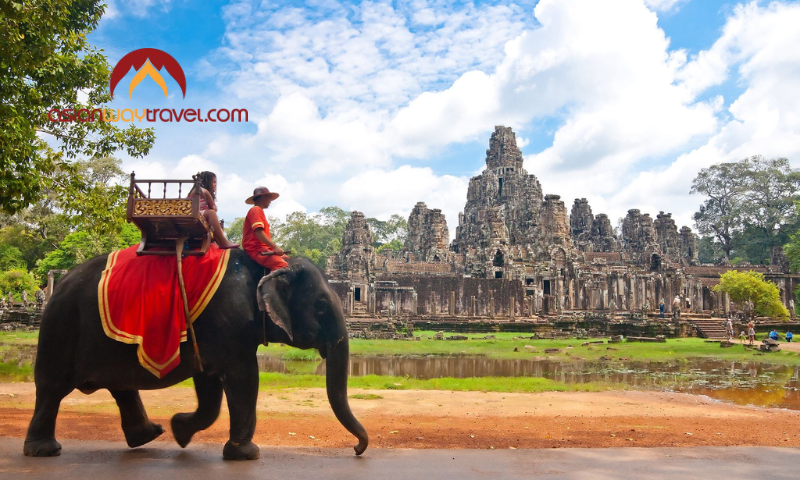
Angkor Wat receives most of the attention, but the wider complex reveals why Siem Reap deserves several days. At Angkor Thom, visitors pass through monumental gates before reaching Bayon’s carved stone faces. Nearby, tree roots spread across the walls of Ta Prohm, showing how closely the ruins and surrounding forest have become connected.
Arriving before sunrise allows you to watch Angkor Wat’s towers emerge gradually against the morning sky. Later, bicycle rides, countryside tours and visits to artisan workshops provide a closer view of life beyond the temples.
.png)
2. Phnom Penh – Best for History, Food and Urban Culture
Phnom Penh offers a more complex introduction to Cambodia than Siem Reap. The capital combines royal architecture, modern development, Khmer cuisine and difficult historical sites within a compact urban area.
Begin around the Royal Palace and Silver Pagoda before visiting the National Museum, where sculptures provide context for the artistic traditions seen at Angkor. Along the riverfront, motorbikes move between food carts while ferries cross the water and residents gather in the cooler evening air.
Tuol Sleng Genocide Museum and the Choeung Ek memorial explain the human impact of the Khmer Rouge period. These visits can be emotionally demanding, but they are important for understanding Cambodia’s recent history. Allow sufficient time and avoid treating both places as quick sightseeing stops.
.png)
See more: 15 Best Things to Do in Hoi An for First-Time Visitors
3. Battambang – Best for Rural Cambodia and Local Life
Battambang is one of the best places to go in Cambodia for travelers who prefer farming landscapes and community-based experiences over major tourist attractions.
The city preserves rows of colonial-era buildings, but its main appeal lies in the surrounding countryside. Bicycle and tuk-tuk routes pass rice fields, family workshops, small temples and villages where residents produce rice paper, dried bananas and traditional snacks.
The Bamboo Train offers a short ride through open countryside, while Phnom Sampeau combines hillside temples, caves connected to Cambodia’s wartime history and an evening bat spectacle. Around sunset, thousands of bats stream the cave entrance in a continuous ribbon above the fields.
.png)
4. Kampot – Best for Riverside Relaxation and Countryside
Kampot works well as a slower stop between Phnom Penh and Cambodia’s southern coast. Its riverfront setting, compact center and nearby farms make it suitable for travelers who want to reduce the pace of their itinerary.
Early mornings are quiet, with fishing boats moving along the river before cafés and market stalls become busy. Outside town, roads pass salt fields, limestone caves and pepper plantations. A plantation visit explains how Kampot pepper is cultivated, harvested and graded rather than simply offering a product-tasting stop.
Bokor National Park is another common excursion. Its elevated roads lead through forested terrain toward viewpoints and historic structures, although clouds can quickly obscure the coastal scenery.
.png)
5. Kep – Best for Seafood and a Quiet Coastal Break
Kep offers a quieter coastal experience than Cambodia’s island and resort areas. It is particularly suitable for a short break focused on seafood, walking and sea views.
The crab market is the town’s defining experience. Vendors keep baskets of crab in the shallow water, lifting them onto the pier as customers make their selections. Nearby kitchens prepare the catch with local green pepper, creating one of southern Cambodia’s most recognizable dishes.
Kep National Park has forest trails overlooking the coastline and nearby hills. Travelers can also take a boat to Koh Tonsay, commonly called Rabbit Island, for simple beaches and a less developed island atmosphere.
6. Koh Rong – Best for White-Sand Beaches and Island Life
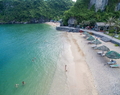
Koh Rong is the strongest choice for travelers who want to add a genuine beach stay to a cultural Cambodia itinerary. Its appeal comes long sandy beaches, warm water and forested interiors rather than large sightseeing attractions.
Different parts of the island offer different experiences. Some areas have restaurants, bars and a social atmosphere, while quieter beaches focus on small resorts, swimming and uninterrupted coastal views. Boat trips may include snorkeling, fishing or stops in sheltered bays.
Koh Rong should not be confused with nearby Koh Rong Samloem. Both offer island scenery, but accommodation availability, transport connections and the atmosphere of individual beaches can vary considerably. your hotel location carefully instead of choosing only by island name.
.png)
7. Kratie – Best for Mekong Scenery and Irrawaddy Dolphins
Kratie is a valuable addition for travelers heading through northeastern Cambodia. Its main attraction is the chance to observe endangered Irrawaddy dolphins in their natural Mekong River habitat.
Boat trips usually depart near Kampi, north of Kratie town. The boatmen reduce their engines near known dolphin areas, allowing passengers to wait quietly for rounded heads and dorsal fins to break the water. Sightings are never guaranteed, which makes responsible expectations important.
Kratie also provides access to Koh Trong, an island reached by a short ferry ride. A cycling route passes wooden houses, gardens, farmland and small temples without the traffic found in larger cities.
.png)
8. Mondulkiri – Best for Forests, Waterfalls and Responsible Elephant Experiences
Mondulkiri differs sharply Cambodia’s plains and temple cities. The eastern province has rolling hills, forest areas, waterfalls and a cooler atmosphere than many lowland destinations.
Bou Sra Waterfall is among the region’s most recognizable natural sites, but Mondulkiri’s deeper value lies in its landscapes and Indigenous Bunong culture. Guided walks can introduce visitors to local farming, forest use and community traditions when arranged through responsible operators.
Elephant experiences require careful selection. Choose programs that focus on observation, forest walks and animal welfare rather than riding, forced performances or frequent close-contact activities. Responsible sanctuaries should explain how elephants are cared for and how tourism supports long-term protection.
.png)
See more: Vietnam Tour
How to Choose the Right Cambodia Destinations
The right combination depends on your priorities. First-time visitors should generally begin with Siem Reap and Phnom Penh before adding rural, coastal or nature-based destinations.
|
Travel interest |
Recommended destinations |
Suggested stay |
|
Angkor temples and Khmer heritage |
Siem Reap |
3–4 days |
|
History, food and city life |
Phnom Penh |
2–3 days |
|
Rural communities and countryside |
Battambang, Kratie |
1–2 days each |
|
Riverside relaxation |
Kampot |
2–3 days |
|
Seafood and a quiet coast |
Kep |
1–2 days |
|
Beaches and island time |
Koh Rong |
3–4 days |
|
Forests and outdoor activities |
Mondulkiri |
2–3 days |
.png)
Suggested Routes for a Cambodia Trip
A realistic route should balance sightseeing with transfer time. Cambodia may appear compact on a map, but road journeys and ferry connections can take a significant part of the day.
|
Trip length |
Suggested route |
Best for |
|
5–6 days |
Siem Reap – Phnom Penh |
First-time visitors with limited time |
|
8–10 days |
Siem Reap – Battambang – Phnom Penh – Kampot |
Temples, history and rural culture |
|
12–14 days |
Siem Reap – Phnom Penh – Kampot – Kep – Koh Rong |
Culture followed by coastal relaxation |
.png)
Best Time to Visit Cambodia
Cambodia can be visited throughout the year, but temperature, rainfall and visitor numbers affect each destination differently.
-
November to February: These months usually offer lower humidity and more comfortable conditions for temple visits, walking tours and countryside activities. They are also the busiest months, so popular hotels and guides may require earlier reservations.
-
March to April: Conditions become hotter, especially during midday. Morning temple visits and afternoon breaks make the heat more manageable. Coastal stays can work well, although travelers should protect themselves strong sun.
-
May to October: The wet season brings greener rice fields, fuller waterfalls and fewer visitors. Rain often arrives in heavy periods rather than lasting all day, but rural roads, sea conditions and outdoor plans can be affected.
.png)
Plan Your Cambodia Journey with Asianway Travel
The best places to go in Cambodia can support very different trips. Siem Reap and Phnom Penh provide the country’s essential historical context, while Battambang, Kampot and Kratie reveal slower local rhythms. Kep and Koh Rong add coastal time, and Mondulkiri introduces a more remote landscape of forests and waterfalls.
Choosing the destinations is only the first step. Travel times, seasonal conditions and the order of each stop determine whether the itinerary feels balanced or rushed.
With more than 20 years of destination experience, Asianway Travel designs private Cambodia journeys around your interests, available time and preferred travel pace. Explore our Cambodia tours or speak with our local travel specialists to build a route that connects the right destinations without unnecessary transfers.