

The Ultimate Backpacker Trail Thailand: A 3-Week Route Bangkok to the Islands
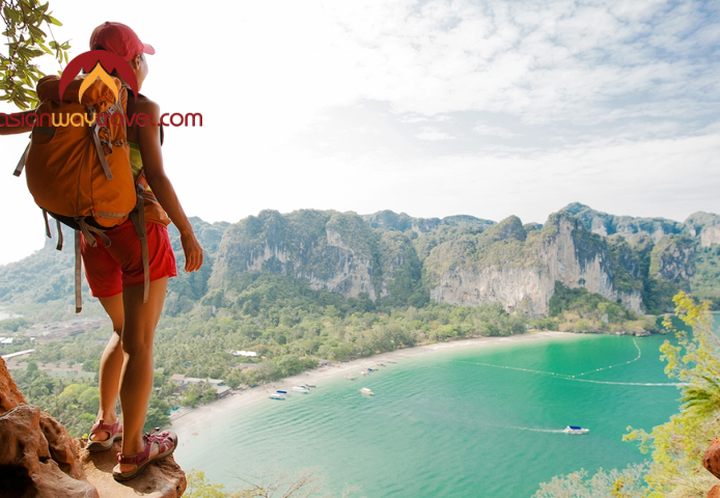
Thailand is one of Southeast Asia’s easiest countries to explore independently, but covering Bangkok, the northern mountains and the southern islands in one trip still requires careful planning. A poorly arranged route can leave you spending more time on buses than at temples, markets or beaches. This three-week backpacker trail Thailand itinerary follows a practical route through Bangkok, Kanchanaburi, Ayutthaya, Chiang Mai, Chiang Rai, Krabi and Koh Lanta. It includes realistic travel times, suitable transport options, estimated costs and enough free time to experience each destination without turning the trip a daily race. Let's explore this further with AsianWay Travel in this article.
Why This Backpacker Trail Thailand Works
This route moves gradually central Thailand to the north before using a domestic flight to reach the Andaman Coast. It reduces unnecessary backtracking while combining several distinct sides of the country.
-
Balanced travel experiences: The journey includes Bangkok’s street life, Ayutthaya’s historical ruins, Chiang Mai’s mountain culture and Koh Lanta’s quieter beaches. Each stop offers a clear change of setting rather than repeating similar attractions.
-
A realistic pace: Most destinations receive at least two nights. This gives you time to explore beyond the main landmarks, recover longer transfers and adjust the itinerary when weather or transport changes.
-
Practical transport choices: Trains and buses work well for shorter central and northern routes, while flying northern Thailand to the south saves a full day or more.
-
Suitable for first-time visitors: The itinerary includes Thailand’s essential cultural and natural experiences while avoiding an excessive number of islands, overnight buses and one-night stops.
.png)
3-Week Thailand Backpacking Itinerary
The following 21-day route balances sightseeing with travel time. It can be adjusted by adding more beach days or removing Chiang Rai when you prefer a slower journey.
Days 1–3: Bangkok – Street Food, Temples and Local Neighborhoods
Begin your Thailand backpacking route in Bangkok. Three days provide enough time to recover your flight, understand the city’s transport system and explore areas with very different characters.
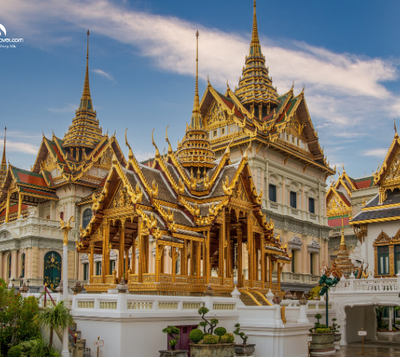
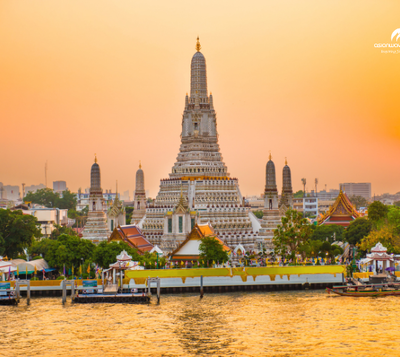
Spend your first full day around the historic district. Visit the Grand Palace early, continue to Wat Pho and cross the Chao Phraya River to see Wat Arun. Boats are often more practical than taxis in this part of Bangkok, particularly when roads around the old city become congested.
In the evening, walk through Chinatown. Woks flare beside the pavement, metal shutters open onto narrow food shops and the smell of grilled seafood mixes with herbal broth. Move away the busiest section of Yaowarat Road to find smaller family-run restaurants and traditional medicine stores.
Use your third day to explore a local market, canal neighborhood or contemporary district. Bangkok is more than a list of temples, so leave space for coffee shops, street stalls and ordinary residential streets.
.png)
See more: Ha Giang Trip Guide: How to Plan a Safe and Meaningful Journey in Northern
Days 4–5: Kanchanaburi – History and Riverside Nature
Travel west Bangkok to Kanchanaburi by train or minivan. The slower train offers open views of farmland and small stations, while a minivan is usually more convenient when travelling with larger bags.
Kanchanaburi is closely associated with the Thailand–Burma Railway and the history of prisoners of war who built it during the Second World War. Visit the Thailand–Burma Railway Centre, the nearby cemetery and the Bridge over the River Kwai to understand the human cost behind the railway.
On the second day, choose between Erawan National Park and a quieter day beside the river. Erawan is known for its multi-level waterfall and forest trails, but an early departure is important if you want to avoid the busiest period. Staying overnight in Kanchanaburi gives the area more depth than a rushed day trip Bangkok.
.png)
Days 6–7: Ayutthaya – Ancient Capital by Bicycle
Continue to Ayutthaya, Thailand’s former royal capital. The journey Kanchanaburi may require a connection through Bangkok, so allow most of the day unless you arrange a private transfer.
Ayutthaya’s ruins are spread across a broad historical area. Renting a bicycle is suitable for nearby temples, although a tuk-tuk can be more practical during the hottest hours. Begin with Wat Mahathat and Wat Ratchaburana before continuing to Wat Phra Si Sanphet.
Visit Wat Chaiwatthanaram in the late afternoon. As the temperature drops, long shadows stretch across the brick courtyards and the central prang becomes clearer against the evening sky. This quieter period makes the scale of the old capital easier to appreciate.
After your second day, take an overnight train north. Depending on the service and booking conditions, you can board in Ayutthaya or return to Bangkok before travelling to Chiang Mai.
.png)
Days 8–11: Chiang Mai – Northern Culture and Mountain Landscapes
Chiang Mai deserves more than a brief temple stop. Four days allow you to experience the Old City, northern food, surrounding mountains and at least one activity outside the centre.
Start with Wat Chedi Luang, Wat Phra Singh and the lanes inside the old moat. In the evening, try northern dishes such as khao soi, sai ua sausage and nam prik ong at a market or small local restaurant.
Dedicate another day to Wat Phra That Doi Suthep and the mountain area overlooking the city. Reaching the temple early helps you avoid the largest tour groups and gives you clearer views before afternoon haze develops.
For your remaining time, choose one meaningful activity rather than combining several rushed excursions. A cooking class provides an introduction to northern ingredients, while a community-based trek can connect forest scenery with village life. When visiting an elephant centre, check that it avoids riding, forced performances and unnecessary physical contact.
.png)
Days 12–13: Chiang Rai – Contemporary Temples and a Slower Pace
Take a bus Chiang Mai to Chiang Rai. The journey normally occupies part of the day, leaving time for a market, café or riverside walk after arrival.
Chiang Rai is quieter than Chiang Mai and has a stronger focus on modern artistic interpretations of Thai religious architecture. The White Temple uses mirrored surfaces, sculpted figures and detailed murals to create a building that feels very different a conventional historical temple.
Continue to the Blue Temple and Baan Dam Museum if time allows. Rather than treating these sites as quick photo stops, look at how colour, symbolism and contemporary art have been used to reinterpret traditional forms.
After two nights, fly south. Direct flight availability can vary, so some journeys may require a connection in Bangkok.
.png)
See more: Thailand Tour
Days 14–16: Krabi – Limestone Cliffs and Island Day Trips
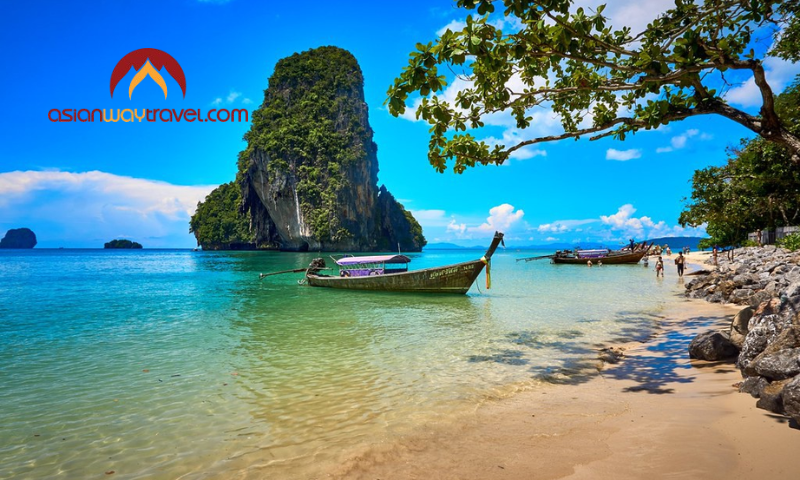
Krabi introduces the coastal section of the route. Ao Nang is the most convenient base for transport, restaurants and boat trips, while Railay suits travellers who prefer dramatic scenery and a more isolated atmosphere.
Take a long-tail boat to Railay and walk between Railay West and Phra Nang Beach. Limestone cliffs rise almost vertically behind the sand, while boats move across the bay carrying supplies and day visitors. The landscape is Krabi’s main advantage over more heavily developed beach destinations.
Use the next day for an island excursion, kayaking trip or inland nature experience. Avoid choosing a tour solely because it includes the greatest number of stops. A smaller route with sufficient swimming and snorkelling time usually feels less hurried.
Keep one flexible half-day in case sea conditions affect boat services. It can also be used for a beach afternoon, local food or a short trip to Krabi Town.
Days 17–20: Koh Lanta – Beach Time Without a Packed Schedule
Travel Krabi to Koh Lanta by ferry or a combined road-and-ferry transfer. Koh Lanta has a slower rhythm than Ao Nang and is better suited to several nights rather than a quick island visit.
Explore the west-coast beaches, where accommodation ranges simple guesthouses to small resorts. Long Beach provides convenient access to restaurants, while beaches farther south generally feel quieter.
Spend another day visiting Lanta Old Town and the southern part of the island. Wooden houses face the water, small shops open onto the main street and fishing boats move through the bay. The atmosphere is more residential than the beach districts on the opposite coast.
Only rent a scooter when you hold the correct licence and have sufficient riding experience. Roads become steeper toward the south, and wet conditions increase the risk of accidents. Shared transport or a vehicle with a driver is a safer alternative.
Leave at least one day completely open. Use it to swim, read, wash clothes or simply stay near your accommodation. A backpacking itinerary becomes more enjoyable when not every hour requires a booking.
Day 21: Return to Bangkok and Departure
Travel Koh Lanta to Krabi Airport and fly back to Bangkok. Avoid booking a ferry transfer and an international flight too close together, particularly during periods of uncertain weather.
When possible, return to Bangkok one day before your international departure. The extra night protects your schedule boat, road or flight delays and creates a calmer end to the trip.
.png)
How Much Does a 3-Week Thailand Backpacking Trip Cost?
Your total cost depends mainly on accommodation, domestic flights, private activities and the number of island tours you book. Prices also increase during the busiest beach season.
|
Travel style |
Estimated daily budget |
Estimated 21-day total |
|
Budget backpacker |
USD 35–50 |
USD 735–1,050 |
|
Comfortable backpacker |
USD 55–80 |
USD 1,155–1,680 |
|
Private and flexible |
USD 100–160+ |
USD 2,100–3,360+ |
Transport Tips for Backpacking Across Thailand
Choosing the cheapest transport for every journey can reduce your budget, but it may also consume valuable travel days.
-
Use sleeper trains selectively: An overnight train to Chiang Mai combines transport with accommodation. Reserve a sleeper berth rather than relying on a standard seat for a full night.
-
Fly between the north and south: The distance between Chiang Rai or Chiang Mai and Krabi makes flying more practical than using several long buses and trains.
-
Allow time around island transfers: Ferry and speedboat services may change with weather and seasonal demand. Avoid tight connections with domestic or international flights.
-
Limit consecutive overnight journeys: Poor sleep can affect the following day and make a well-planned itinerary feel exhausting.
.png)
Plan Your Thailand Backpacking Route with Asianway Travel
A three-week backpacker trail Thailand should provide freedom without forcing you to solve every transport problem alone. With more than 20 years of regional experience, Asianway Travel can adjust this route around your budget, travel pace and preferred accommodation while arranging reliable support for complex transfers.
Contact Asianway Travel to create a practical Thailand itinerary connecting Bangkok, the northern mountains and the southern islands without unnecessary backtracking or overloaded travel days.