
3 Weeks in Vietnam: The Ultimate North-to-South Itinerary

Spending 3 weeks in Vietnam gives you enough time to explore the country’s major regions without turning the trip a series of rushed transfers. A well-planned north-to-south route can include Hanoi’s street life, Ninh Binh’s inland limestone scenery, an overnight cruise in Ha Long Bay, the imperial heritage of Hue, the slower rhythm of Hoi An, and the waterways of the Mekong Delta. This 21-day Vietnam itinerary balances cultural visits, local food, natural landscapes, and free time while keeping the travel direction simple and practical. Let's explore this further with AsianWay Travel in this article.
The Best 3-Week Vietnam Itinerary North to South
This route begins in Hanoi and ends in Ho Chi Minh City. The order reduces unnecessary backtracking and uses domestic flights only where they save substantial travel time.
Days 1–3: Hanoi
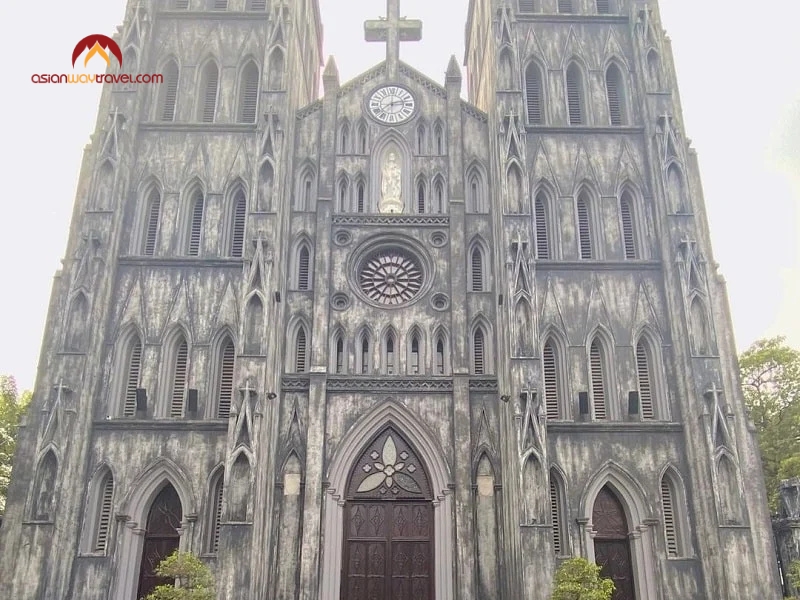
Begin your trip in Hanoi, where historic architecture, street commerce, family-run eateries, and modern city life occupy the same compact neighbourhoods.
Day 1: Arrival and Old Quarter introduction
After arriving, keep the first day light. Check in, rest, and take a short walk through the Old Quarter and around Hoan Kiem Lake.
Motorbikes pass between narrow shop-houses while food vendors prepare grilled meat, noodle soup, and fresh herbs beside the pavement. This first walk introduces Hanoi through daily life rather than a long list of monuments.
Day 2: Hanoi’s cultural and historical landmarks
Spend the day visiting key sites such as the Temple of Literature, Ho Chi Minh Complex, One Pillar Pagoda, and one of the city’s museums.
Rather than visiting every attraction, choose places that explain different periods of Vietnamese history. End the day with a traditional water puppet performance or a meal featuring bun cha, pho, or cha ca.
Day 3: Local food and neighbourhood experiences
Use the third day to explore Hanoi at a slower pace. Join a street food tour, visit a local market, or travel to a nearby craft village.
A guided food walk is particularly useful because many of Hanoi’s best dishes are served in small shops that can be difficult for first-time visitors to identify. It also provides context about ingredients, eating customs, and regional cooking.

Days 4–5: Ninh Binh
Travel about two hours south of Hanoi to Ninh Binh, a rural region known for limestone formations, rivers, rice fields, and historic temples.
Day 4: Hanoi to Ninh Binh and river excursion
Leave Hanoi in the morning and visit Trang An or Tam Coc in the afternoon. Small rowing boats move through narrow waterways beneath steep cliffs and, depending on the route, through low natural caves.
Unlike Ha Long Bay, where the limestone formations rise open seawater, Ninh Binh places similar geology among villages, farmland, and inland rivers. The landscape feels closer and more intimate.
.jpg)
Day 5: Hoa Lu and Mua Cave viewpoint
Visit Hoa Lu, the capital of Vietnam during the 10th and 11th centuries, before continuing to Mua Cave.
The climb to the viewpoint is steep, but the summit offers a wide view across the river, rice fields, and limestone peaks. Travellers who prefer a slower day can replace the climb with cycling through nearby villages.
See more: 4 Vietnam and Cambodia Tours by Asianway Travel
Days 6–7: Ha Long Bay
Continue to Ha Long Bay for an overnight cruise. Staying overnight is more rewarding than taking a long day trip because it allows you to experience the bay outside the busiest visiting hours.
Day 6: Board an overnight cruise
Arrive at the harbour around midday and board your cruise. Most itineraries include lunch, cave visits, kayaking, swimming, or a smaller boat excursion.
As the vessel moves away the port, apartment buildings and roads disappear behind hundreds of limestone islands. By late afternoon, the water becomes quieter and the outlines of the karsts soften in the evening light.
.jpg)
Day 7: Morning on the bay and travel to Hue
Wake early for sunrise, tai chi, or a short excursion before returning to the harbour. there, transfer to Hanoi for an evening flight to Hue.
This is one of the longer travel days, so avoid adding major sightseeing after arrival.
Days 8–10: Hue
Hue offers a clearer view of Vietnam’s imperial history than any other city. Its citadel, royal tombs, pagodas, and distinctive cuisine justify at least two full days.
Day 8: Imperial Citadel and city highlights
Visit the Imperial Citadel, once the political centre of the Nguyen Dynasty. Walk through gates, courtyards, temples, and restored ceremonial buildings while learning how the royal complex was organised.
Later, visit Dong Ba Market or take a walk beside the Perfume River. The city is quieter than Hanoi or Ho Chi Minh City, which makes it a useful change of pace.
.jpg)
Day 9: Royal tombs and Thien Mu Pagoda
Explore selected royal tombs, such as those of Minh Mang, Khai Dinh, or Tu Duc. Each complex reflects a different architectural style and royal personality.
Khai Dinh Tomb is compact and highly decorative, while Minh Mang Tomb is arranged across gardens, lakes, and courtyards. Finish the day at Thien Mu Pagoda, where bells sound across the river and incense drifts through the temple grounds.
Day 10: Hue food and free time
Spend the morning exploring Hue’s regional cuisine. Popular dishes include bun bo Hue, banh khoai, banh beo, and small steamed rice cakes served with fish sauce.
Keep the afternoon flexible for rest, café visits, or additional sightseeing. This lighter day prevents the itinerary becoming too dense.
Days 11–14: Hoi An and Da Nang
Travel Hue to Hoi An by road, ideally through the Hai Van Pass. The route connects imperial heritage with the coast and provides a gradual transition central Vietnam.
Day 11: Hue to Hoi An via the Hai Van Pass
Stop at viewpoints along the pass and, depending on your schedule, visit Lang Co Lagoon or the Marble Mountains.
Arrive in Hoi An in the afternoon. After dark, the historic centre becomes pedestrian-friendly, with lanterns above the streets and small boats moving along the Thu Bon River.
.jpg)
See more: Vietnam Tour
Day 12: Hoi An Ancient Town
Explore merchant houses, assembly halls, temples, and the Japanese Covered Bridge. Hoi An’s appeal is not based on a single landmark but on its preserved urban layout and mixture of Vietnamese, Chinese, Japanese, and European influences.
Visit early in the morning for quieter streets, then return later for dinner and an evening walk.
Day 13: Cam Thanh and Tra Que villages
Join a countryside experience that combines Cam Thanh Coconut Village, a basket boat ride, and a cooking activity in Tra Que.
The value of this day lies in seeing how ingredients are grown and used. Farmers work between rows of herbs, water buffalo move along rural paths, and meals are prepared with produce collected close to the kitchen.
.jpg)
Day 14: Free day or optional excursion
Choose one activity based on your interests:
- My Son Sanctuary: Best for travellers interested in Cham history and temple architecture.
- Ba Na Hills: Suitable for those who want mountain views and the Golden Bridge.
- An Bang Beach: A better choice for a relaxed day with minimal travel.
- Hoi An free time: Useful for tailoring, cafés, cycling, or a slower exploration of the old town.
Avoid trying to combine all four options in one day.
Days 15–17: Ho Chi Minh City
Fly Da Nang to Ho Chi Minh City. Vietnam’s largest city provides a sharp contrast to the smaller historic centres of Hue and Hoi An.
Day 15: Arrival and central districts
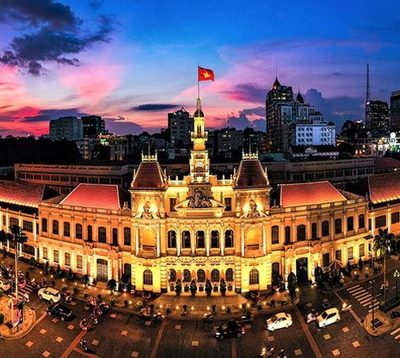
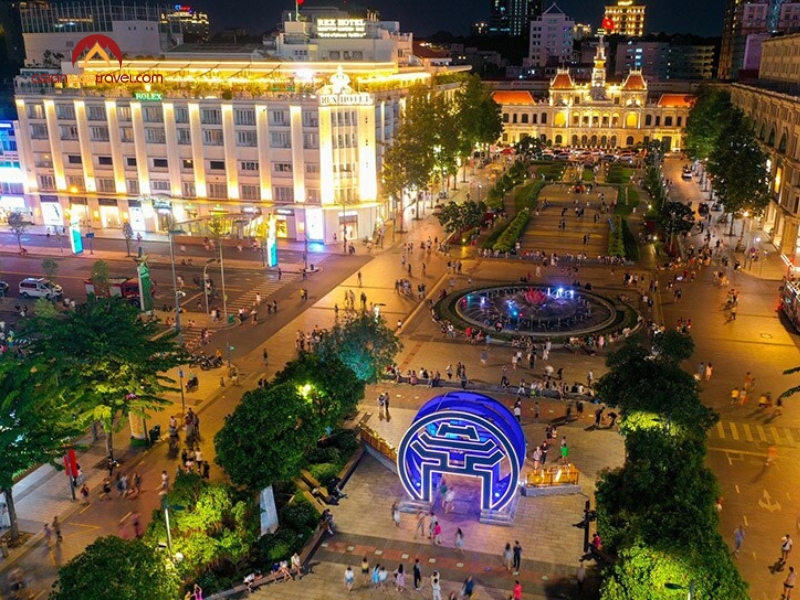
After checking in, explore the central area around Nguyen Hue Walking Street, the Opera House, Central Post Office, and nearby neighbourhoods.
Traffic moves continuously, cafés occupy restored colonial buildings, and new towers rise behind older markets and apartment blocks. The city is best understood through these contrasts.
Day 16: City history and street food
Visit the War Remnants Museum, Independence Palace, and selected historic sites in the morning.
In the evening, join a street food tour by motorbike or on foot. A guided tour can take you beyond the central tourist districts to family-run restaurants serving dishes such as broken rice, banh xeo, grilled seafood, or regional noodle soups.
Day 17: Cu Chi Tunnels or a free city day
Travel to the Cu Chi Tunnels to learn about the underground network used during wartime. The excursion usually takes at least half a day.
Travellers who prefer not to take another road trip can spend the day visiting Cholon, local markets, independent galleries, or neighbourhood cafés.
Days 18–20: Mekong Delta
Leave Ho Chi Minh City for the Mekong Delta. Two nights allow you to move beyond a short tourist boat trip and experience the region’s early-morning routines.
Day 18: Ho Chi Minh City to Ben Tre or Can Tho
Travel the delta and take a smaller boat through narrow canals. Depending on the programme, visit a fruit garden, local workshop, family home, or riverside village.
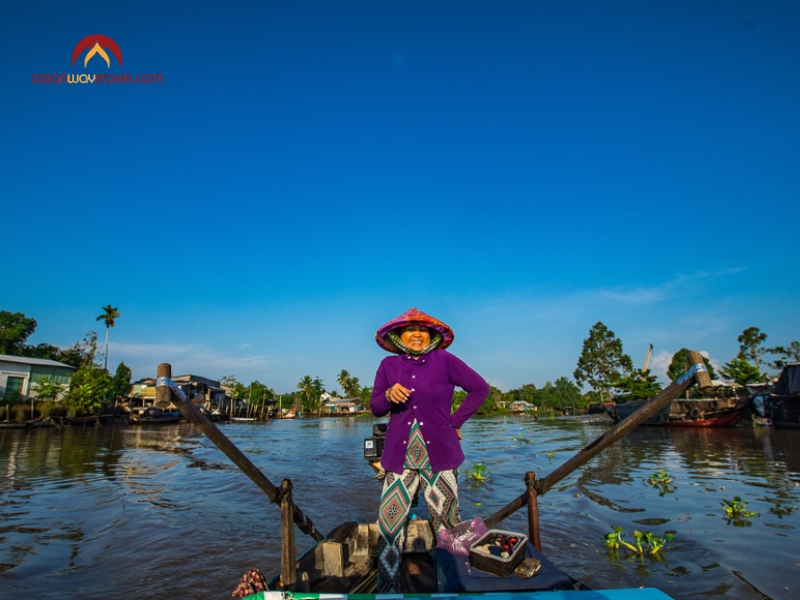
The Mekong Delta is not defined by one major attraction. Its character comes water-based transport, orchards, workshops, ferry crossings, and houses built along rivers and canals.
Day 19: Rural activities and Can Tho
Continue toward Can Tho, the delta’s main urban centre. Along the way, cycle through a village, visit a local producer, or stop at a market.
Keep the itinerary selective. Small-scale activities with time for conversation are generally more useful than moving rapidly between many staged demonstrations.
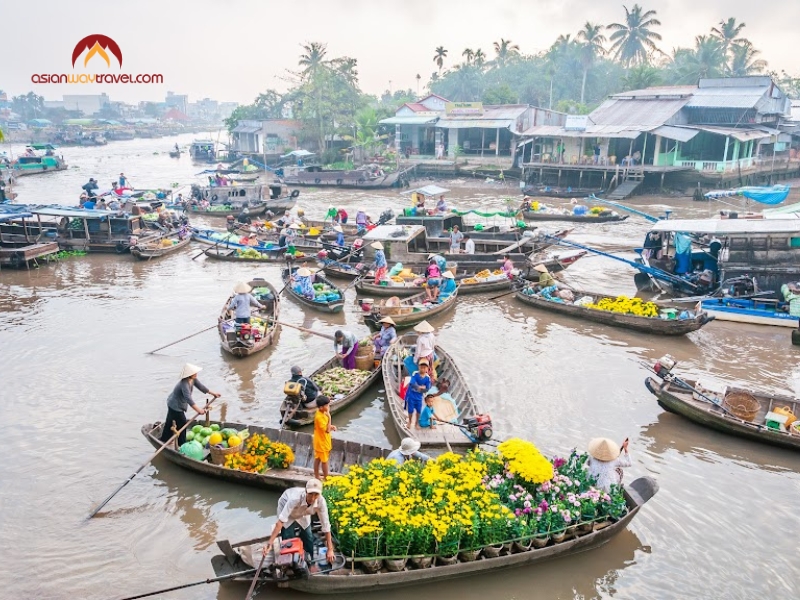
Day 20: Cai Rang Floating Market and return
Wake before sunrise to visit Cai Rang Floating Market. Boats gather on the river while vendors transfer fruit, vegetables, drinks, and breakfast between vessels.
The market is most active early, when the air is cooler and the surrounding city is still waking. After the excursion, return to Ho Chi Minh City and stay overnight.
Day 21: Ho Chi Minh City and Departure
Use the final day for departure, shopping, or a relaxed meal before your flight. Leave sufficient time for the airport transfer, especially during busy traffic periods.
Placing the final night in Ho Chi Minh City is safer than returning directly the Mekong Delta on the same day as an international flight.
How Much Does 3 Weeks in Vietnam Cost?
The cost of 3 weeks in Vietnam depends on accommodation, domestic flights, cruise standards, private transport, and the number of guided activities included.
|
Travel style |
Estimated daily budget |
Estimated 21-day cost |
|
Budget |
USD 35–55 |
USD 735–1,155 |
|
Mid-range |
USD 80–140 |
USD 1,680–2,940 |
|
Private and luxury |
USD 180–350+ |
USD 3,780–7,350+ |
Best Time to Spend 3 Weeks in Vietnam
Vietnam’s regions have different weather patterns, so no single month guarantees ideal conditions across the entire country.
- February to April: Often provides a useful balance between the north, central region, and south, although temperatures vary considerably.
- October to November: Can offer comfortable conditions in the north and south, but central Vietnam may experience heavier rain.
- May to August: Suitable for travellers who accept heat and periodic rainfall. Coastal stays can work well during this period.
- December to January: Generally dry in the south, while northern Vietnam can be cool, cloudy, or cold in mountain areas.
Plan Your 3 Weeks in Vietnam with Asianway Travel
A three-week journey allows you to see Vietnam beyond its headline attractions, but the route must match your travel pace, preferred accommodation, and interests. Some travellers want more food and cultural experiences, while others prefer additional beach time, countryside stays, or private touring.
With more than 20 years of local experience, Asianway Travel can adjust each stage of this itinerary, hotels and domestic flights to private guides, cruises, and Mekong Delta programmes. Contact our Vietnam specialists to design a personalised north-to-south journey that fits your schedule and travel style.