

Angkor Wat Travel Guide: Everything First-Time Visitors Need to Know

Angkor Wat is easy to visit, but surprisingly easy to experience the wrong way. Many travelers arrive before sunrise, take the same reflection photo, rush through a list of temples, and leave with dust on their shoes but little sense of what they have seen. This Angkor Wat travel guide helps you do it differently. You will learn when to go, how to choose your Angkor Pass, how many days you need, what temples to prioritize, and when a private guide can turn a temple visit a deeper Cambodia journey. Join Asianway Travel as we explore this in more detail in the article below.
Why Visit Angkor Wat? More Than Cambodia’s Most Famous Temple
Angkor Wat is not just Cambodia’s postcard image. It is the gateway Angkor, one of Southeast Asia’s most important archaeological landscapes.
.png)
Angkor Wat and the Legacy of the Khmer Empire
Angkor Archaeological Park stretches over about 400 square kilometers, including forested areas, and contains remains of different Khmer Empire capitals the 9th to the 15th century. UNESCO lists Angkor as one of Southeast Asia’s most important archaeological sites, with Angkor Wat and Bayon Temple among its most famous monuments.
That scale changes the way you should plan your visit. Angkor Wat is the icon, but the wider park tells a broader story of royal power, religious change, engineering skill, and Khmer artistic identity.
For first-time visitors, the best experience usually combines three layers:
-
The monument: Angkor Wat’s towers, galleries, bas-reliefs, and long causeway create the first impression.
-
The city: Angkor Thom, Bayon, gates, terraces, and moats reveal the urban ambition of the Khmer Empire.
-
The atmosphere: Tree roots, sandstone corridors, morning mist, cicadas, incense, and orange light make Angkor feel alive.
What Makes Angkor Wat a Worthy Experience in Southeast Asia
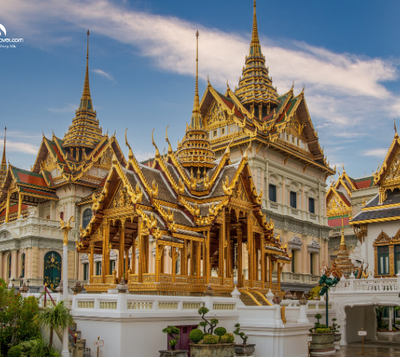
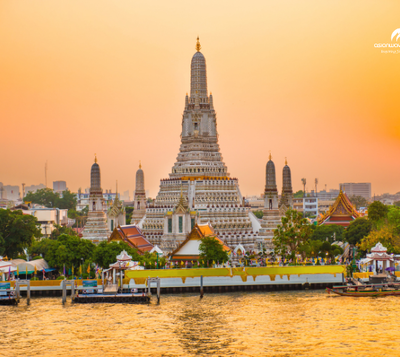
Southeast Asia has many sacred sites, Bangkok’s glittering temples to Bali’s sea temples. Angkor Wat feels different because it is not only a temple visit. It feels like walking through the memory of an empire.
Bangkok temples impress with gold, ritual, and active Buddhist life. Bali temples often blend landscape, ocean, and ceremony. Angkor Wat stands apart through scale, archaeology, and the feeling of entering a lost stone city.
That is why Angkor Wat remains a worthy experience for travelers who want more than a beautiful photo. The real reward comes when you slow down, listen to the guide, study the carvings, and let the place unfold across several hours or days.
.png)
Who Should Add Angkor Wat to Their Cambodia Itinerary
Angkor Wat fits many travel styles, but it is especially rewarding for travelers who care about culture, photography, and history.
You should consider adding Angkor Wat to your Cambodia itinerary if you are:
-
A first-time visitor to Cambodia: Angkor Wat gives structure and meaning to your first journey.
-
A culture lover: The temples connect religion, architecture, mythology, and Khmer history.
-
A photographer: Sunrise, stone corridors, monks, tree roots, and soft afternoon light offer strong visual moments.
-
A couple or family: A private itinerary helps balance temple time, rest, food, and local experiences.
-
A multi-country traveler: Angkor Wat pairs well with Vietnam, Thailand, or Laos in a Southeast Asia route.
See more: Bangkok Short Stay 4 Days
Best Time to Visit Angkor Wat: Weather, Crowds and Sunrise
The best time to visit Angkor Wat depends on what you value most: easier weather, fewer crowds, softer light, or a slower travel rhythm.
Dry Season: The Easiest Time for First-Time Visitors
The dry season is the most convenient time for a first Angkor Wat trip. Paths are easier to walk, sunrise is more predictable, and long temple days feel simpler to arrange.
This period is popular for a reason. You can plan sunrise at Angkor Wat, continue to Bayon and Ta Prohm, then rest during the hottest hours without worrying too much about heavy rain.
The trade-off is crowd level. Angkor Wat sunrise can feel busy, especially around the reflection ponds. Hotels and guides may also be in higher demand, so early planning helps.
For first-time visitors, dry season works best when the itinerary avoids overloading the day. Start early, pause at midday, and return for quieter temples later in the afternoon.
.png)
Green Season: Fewer Crowds and Softer Light
The green season can be a smart choice for travelers who dislike crowds. The landscape feels fresher, trees look fuller, and the light after rain can make sandstone surfaces glow.
Rain does not always ruin the day. Often, showers arrive in short bursts, followed by clear patches and cooler air. With a flexible guide and private vehicle, you can adjust the route instead of forcing the original plan.
This season suits photographers and slow travelers. Reflections, clouds, moss, and wet stone can add mood to the experience. You may not get a perfect sunrise every morning, but you may get a more atmospheric Angkor.
Best Time of Day to Visit Key Temples
Timing matters as much as season. The same temple can feel magical or exhausting depending on the hour.
A balanced temple day can follow this rhythm:
-
Before sunrise: Arrive at Angkor Wat early enough to find a viewpoint and settle the atmosphere.
-
Early morning: Visit Angkor Wat’s inner galleries or move to Bayon before the heat builds.
-
Late morning: Explore Angkor Thom, but avoid pushing too many temples in direct sun.
-
Midday: Return to Siem Reap for lunch, rest, or a swim.
-
Afternoon: Visit Ta Prohm or quieter temples when the light softens and crowds thin.
Angkor Wat Tickets and Passes: What First-Time Visitors Should Know
Your Angkor Pass shapes the entire trip. Choose it based on your pace, not only your budget.
.png)
1-Day, 3-Day or 7-Day Angkor Pass: Which One Is Right for You?
Angkor Enterprise lists several ticket options for Angkor Temples Park. Its official ticket page shows a 3-day pass at USD 62 and a 7-day pass at USD 72, with access to 50+ temples and listed park entry 5:00 AM to 6:30 PM.
|
Angkor Pass |
Best for |
Travel style |
Key consideration |
|
1-day pass |
Travelers with very limited time |
Fast highlights |
Best for Angkor Wat, Bayon, Ta Prohm, and Angkor Thom |
|
3-day pass |
Most first-time visitors |
Balanced and comfortable |
Best for deeper temple discovery without rushing |
|
7-day pass |
Slow travelers and photographers |
Deep exploration |
Best for extended stays in Siem Reap |
A 1-day Angkor Wat itinerary can work, but it often feels intense. A 3-day pass gives most travelers a better balance between temple visits, rest, photography, and local experiences.
Where to Buy Angkor Wat Tickets
Angkor Enterprise states that visitors can buy Angkor tickets through the official website, mobile app, self-service kiosk, ticket counter, or through a tour guide.
For a smooth trip, choose one of these official methods:
-
Official website: Useful if you want to arrange tickets before arrival.
-
Mobile app: Convenient for travelers already on the road.
-
Self-service kiosk: Helps reduce waiting time.
-
Ticket counter: Good if you prefer in-person service.
-
Tour guide arrangement: Useful when traveling with a private guide or organized tour.
Avoid buying unclear third-party sellers near temple areas. Keep your pass accessible, because checks may happen during your visit.
.png)
Practical Ticket Tips Before Entering the Park
Small details can affect your first Angkor Wat day. Plan your ticket around the route, not the other way around.
Before entering the park, remember:
-
Check validity carefully: Match your pass with your actual temple days.
-
Keep your ticket safe: You may need to show it more than once.
-
Start early for sunrise: Angkor Wat sunrise requires a very early departure Siem Reap.
-
Avoid a crowded first day: Do not combine too many major temples after sunrise.
-
Ask your guide for route logic: A good route reduces backtracking and heat exposure.
See more: Bangkok & Surrounding area 5 Days
How Many Days Do You Need in Angkor Wat?
Most travelers need at least two days for a satisfying Angkor Wat experience. One day works for highlights, while three days gives more depth.
One Day in Angkor Wat: Best for a Quick Highlight Trip
One day is enough only if you accept a fast-paced visit. It usually focuses on the Small Circuit and the most iconic temples.
A classic one-day route can include:
-
Angkor Wat sunrise: The symbolic start to the day.
-
Angkor Wat inner galleries: Best explored before the heat rises.
-
Angkor Thom and Bayon: Strong for faces, gates, and royal city atmosphere.
-
Ta Prohm: Famous for tree roots and a more cinematic temple mood.
This option works for travelers with tight schedules. However, it can feel like temple hopping if you move too quickly. You may see the icons, but you will not have much time to absorb the stories behind them.
.png)
Two Days in Angkor Wat: Best Balance for Most Travelers
Two days give most first-time visitors a better rhythm. You can separate the main temple icons quieter sites, which makes the experience less tiring.
A simple two-day structure works well:
-
Day 1: Angkor Wat sunrise, Angkor Thom, Bayon, and Ta Prohm.
-
Day 2: Grand Circuit temples, quieter corners, and Siem Reap local life.
This plan allows you to rest during hot hours and return with more energy. It also gives your guide time to connect the sites a larger narrative, rather than explaining each temple as a separate stop.
For couples, families, and older travelers, two days often feel much more comfortable than a packed one-day route.
Three Days in Angkor Wat: Best for Culture and Photography Lovers
Three days is ideal if you want a richer Cambodia temple experience. It gives you time for distant temples, flexible sunrise plans, and cultural add-ons outside the core park.
A three-day Angkor Wat itinerary can include:
-
Main temples: Angkor Wat, Bayon, Ta Prohm, Angkor Thom.
-
Grand Circuit: Preah Khan, Neak Pean, Ta Som, East Mebon, Pre Rup.
-
Further sites: Banteay Srei, local villages, Tonle Sap, or Siem Reap food experiences.
This pace suits travelers who enjoy photography, history, and storytelling. It also works well for a tailor-made Cambodia tour, because each day can have a different focus.
.png)
Conclusion
This Angkor Wat travel guide gives you the practical base for a first visit, but the real experience depends on how you design the journey. Angkor Wat is not a place to rush through with a checklist. It is a place to enter slowly, read through stone, feel the morning light, and connect the temples with Khmer culture.
Plan your Angkor Wat journey with Asianway Travel. Share your travel style, time, and interests, and our local experts will design a Cambodia itinerary that fits your pace, your curiosity, and the experience you truly want.