
Where to Go in Vietnam: 12 Best Destinations for First-Time Visitors
Deciding where to go in Vietnam can be difficult because the country offers very different experiences across its northern, central, and southern regions. Hanoi is known for historic streets and local food, while Ha Giang offers mountain roads and remote villages. Central Vietnam combines imperial heritage, caves, and preserved towns, while the south brings urban energy, river life, and tropical islands. This guide AsianWay Travel introduces 12 destinations worth considering, explains what makes each place different, and shows how to choose the right stops based on your interests and available travel time.
12 Best Places to Go in Vietnam for First-Time Visitors
These destinations cover Vietnam’s main travel experiences, including heritage, mountains, countryside, beaches, food, and modern city life. You do not need to visit all 12 in one trip. Choose the places that match your preferred pace and interests.
1. Hanoi – Best for History, Street Life, and Northern Cuisine
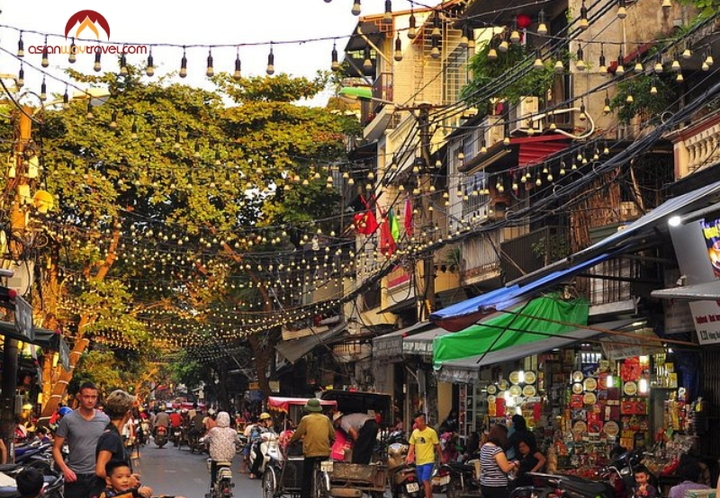
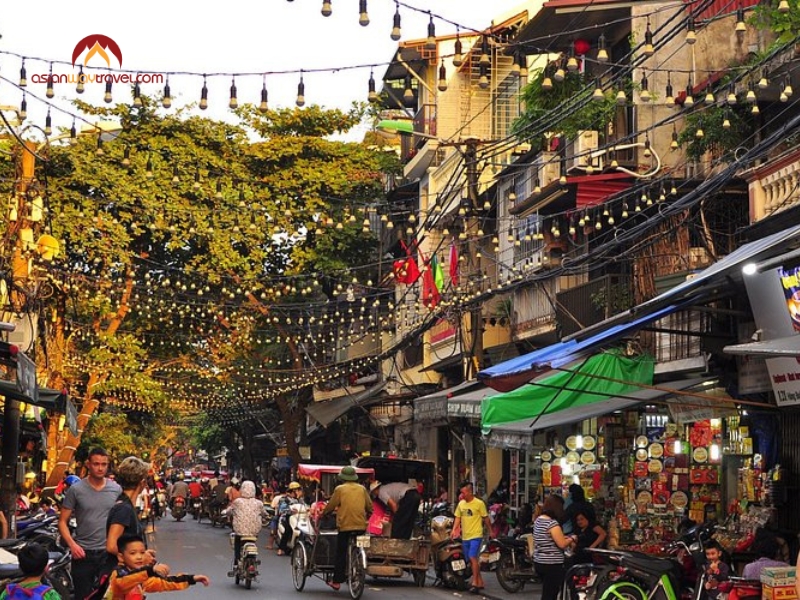
Hanoi is a practical starting point for travelers who want to understand Vietnam through its daily routines, historic neighborhoods, and food culture.
Motorbikes move through the narrow lanes of the Old Quarter while vendors prepare noodles, herbs, grilled meat, and strong coffee beside weathered shop-houses. Unlike cities built mainly around modern attractions, Hanoi still places everyday local life at the center of the visitor experience.
- Explore the Old Quarter: Walk through streets traditionally associated with different trades, where small shops, food stalls, temples, and residential houses stand close together.
- Try northern Vietnamese food: Pho, bun cha, banh cuon, and egg coffee provide an accessible introduction to the region’s cuisine.
- Visit historical sites: The Temple of Literature, Ho Chi Minh Complex, and museums add context to the city’s long political and cultural history.
2. Ha Long Bay – Best for Limestone Scenery and Overnight Cruises
Ha Long Bay is best experienced the water, where thousands of limestone formations rise above calm green seas.
An overnight cruise offers more than a short sightseeing stop. As day boats return to shore, the bay becomes quieter, and travelers can watch the light change across the cliffs the deck.
- Stay overnight on a cruise: This allows more time to reach quieter areas and experience the bay in the early morning.
- Join water activities: Depending on the route, cruises may include kayaking, swimming, cave visits, or trips to floating communities.
- Choose the right route: Ha Long Bay is the classic option, while Lan Ha Bay and Bai Tu Long Bay may offer a less crowded atmosphere.
3. Ninh Binh – Best for Countryside, Temples, and River Landscapes
Ninh Binh offers limestone scenery without requiring an overnight cruise. It is a strong choice for travelers who prefer countryside, cycling, and historical sites.
Small boats pass beneath cliffs and through low caves while rice fields stretch between villages. The pace is slower than Hanoi, but the area remains easy to reach the capital.
- Take a boat trip: Trang An offers a longer route through caves and temple sites, while Tam Coc provides open views across rice fields.
- Climb Hang Mua: The steps lead to one of the area’s best viewpoints over the river and surrounding karst landscape.
- Visit Hoa Lu: The former capital provides historical context and can be combined with nearby natural attractions.

See more: Emerald Mekong River Cruise: A Complete Guide to Sailing Vietnam
4. Ha Giang – Best for Mountain Roads and Remote Landscapes
Ha Giang is suited to travelers who prioritize scenery, regional culture, and long road journeys over comfort and convenience.
The route passes steep valleys, stone plateaus, mountain villages, and the Ma Pi Leng Pass. Markets and roadside settlements reveal a side of northern Vietnam that is less shaped by mass tourism.
- Travel the Ha Giang Loop: Most journeys include Dong Van, Meo Vac, Quan Ba, and Ma Pi Leng Pass.
- Choose safe transport: Travelers can join a guided motorbike tour, ride with an experienced driver, or use a private car.
- Allow enough time: Rushing the route reduces both safety and the opportunity to stop in villages and viewpoints.
5. Sapa – Best for Accessible Trekking and Rice Terraces
Sapa is easier to reach than Ha Giang and offers a wider range of hotels, restaurants, and guided trekking options.
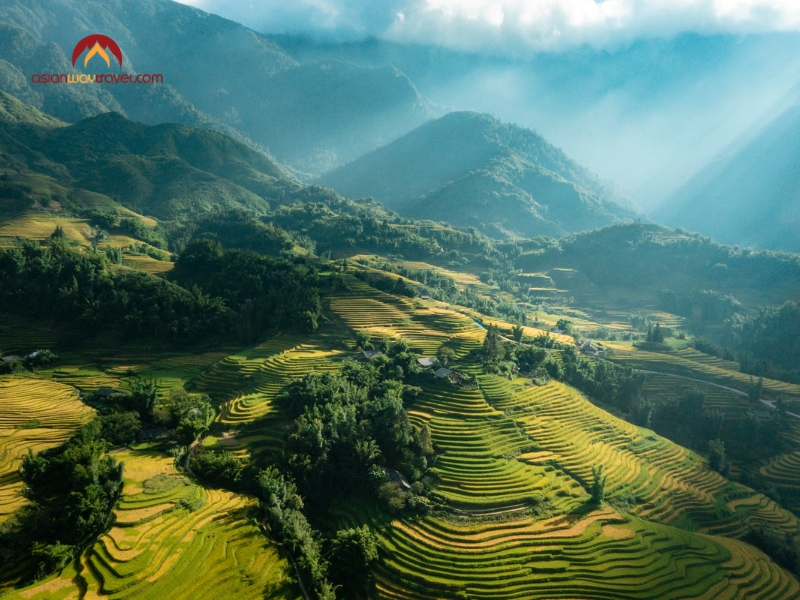
Trails lead through valleys where rice terraces curve around the hillsides and smoke rises village kitchens. The area works well for first-time trekkers who want mountain scenery without committing to a long road expedition.
- Trek through local villages: Lao Chai, Ta Van, and Y Linh Ho are common routes with different levels of difficulty.
- Travel in the right season: Rice terraces are especially green in summer and turn golden before the autumn harvest.
- Consider a village stay: Staying outside Sapa town provides quieter surroundings and better access to walking routes.
6. Hue – Best for Imperial History and Traditional Culture
Hue is the strongest destination for travelers interested in Vietnam’s royal history, historic architecture, and central cuisine.
The Imperial Citadel, royal tombs, pagodas, and traditional garden houses show how the former Nguyen Dynasty shaped the city. Hue’s food also reflects its royal past through careful preparation and smaller portions.
- Visit the Imperial Citadel: The complex introduces the political and ceremonial center of Vietnam’s final royal dynasty.
- Explore royal tombs: Minh Mang, Tu Duc, and Khai Dinh each show a different architectural style.
- Try local specialties: Bun bo Hue, banh beo, banh khoai, and com hen are among the city’s defining dishes.
7. Hoi An – Best for Heritage, Food, and Slow Travel
Hoi An suits travelers who want to slow down while combining architecture, food, countryside, and nearby beaches.
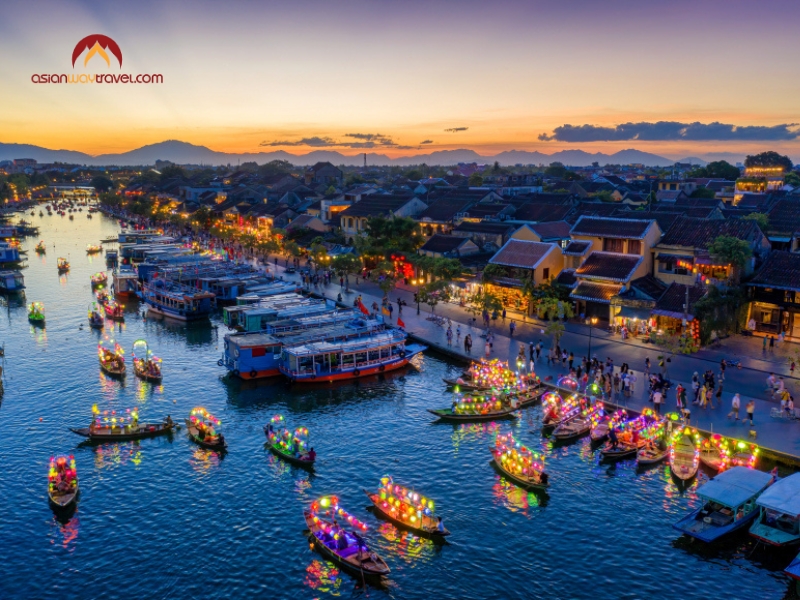
In the early morning, the Ancient Town is quiet enough to notice faded yellow walls, wooden shutters, and incense drifting small temples. In the evening, lanterns reflect across the Thu Bon River as the streets become busier.
- Walk through the Ancient Town: Visit historic houses, assembly halls, markets, and the Japanese Covered Bridge.
- Join a cooking experience: Tra Que village combines local farming, market visits, and hands-on preparation.
- Explore Cam Thanh: Basket boat trips introduce the area’s water coconut forest, though quieter time slots are preferable.
- Relax at An Bang Beach: The beach is close enough to combine with cultural sightseeing.
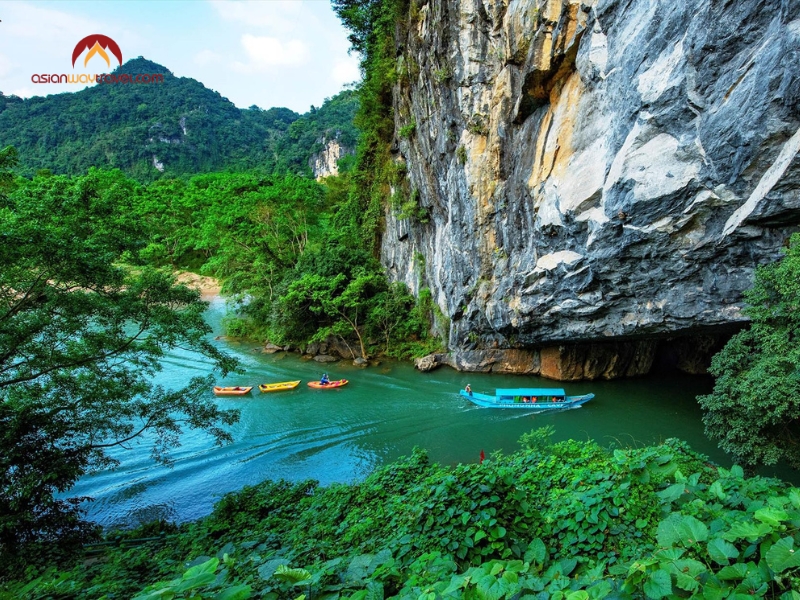
8. Phong Nha – Best for Caves and Outdoor Activities
Phong Nha is one of the best places to visit in Vietnam for travelers interested in caves, trekking, and rural landscapes.
The region contains some of the country’s most impressive cave systems. Entry-level trips are available, but more demanding expeditions may involve jungle trekking, river crossings, camping, and specialist equipment.
- Visit Paradise Cave: Its large chambers and developed walkway make it suitable for most visitors.
- Explore Phong Nha Cave: Boats travel along the river before entering the cave system.
- Choose an adventure tour carefully: Longer cave expeditions require suitable fitness and advance booking.
9. Ho Chi Minh City – Best for Urban Energy and Modern History
Ho Chi Minh City shows a faster, more commercial side of Vietnam than Hanoi or Hue.
Traffic moves continuously through broad avenues, rooftop bars overlook dense neighborhoods, and traditional markets operate near modern shopping districts. The city is particularly valuable for understanding twentieth-century history and southern food culture.
- Visit the War Remnants Museum: The exhibitions provide important context for Vietnam’s modern history.
- Explore central landmarks: The former Presidential Palace, Central Post Office, and nearby streets can be visited together.
- Join a food tour: Local guides can introduce dishes and neighborhoods that are difficult to identify independently.
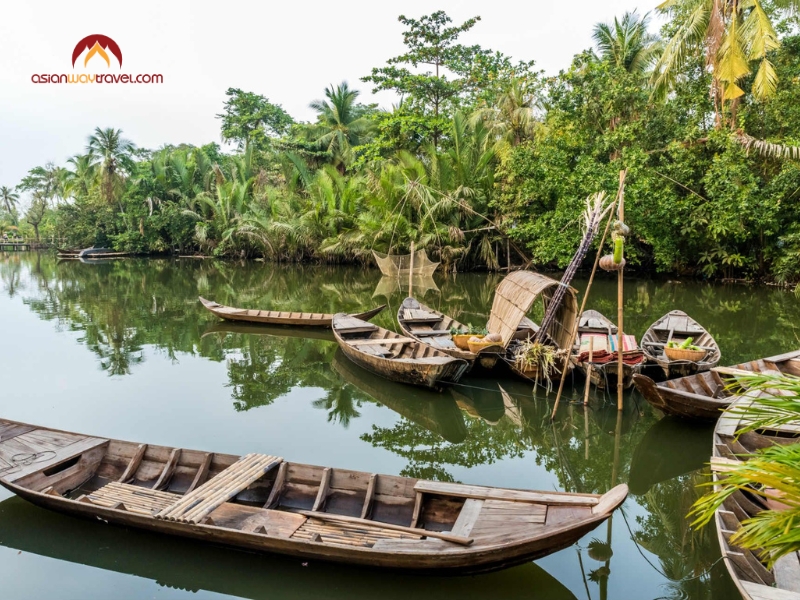
10. Mekong Delta – Best for River Life and Rural Southern Vietnam
The Mekong Delta is worth visiting for its waterways, orchards, small workshops, and agricultural communities rather than for one attraction alone.
Boats move through narrow canals beneath coconut palms, while homes, markets, and small businesses face the water. Each province offers a different experience, so choosing the right area matters.
- Choose Ben Tre for a day trip: It is accessible Ho Chi Minh City and known for canals, coconut farms, and village roads.
- Choose Can Tho for an overnight stay: The city provides access to early-morning river activity and a broader view of delta life.
- Avoid overpacked tours: Smaller groups and private routes usually allow more meaningful stops.
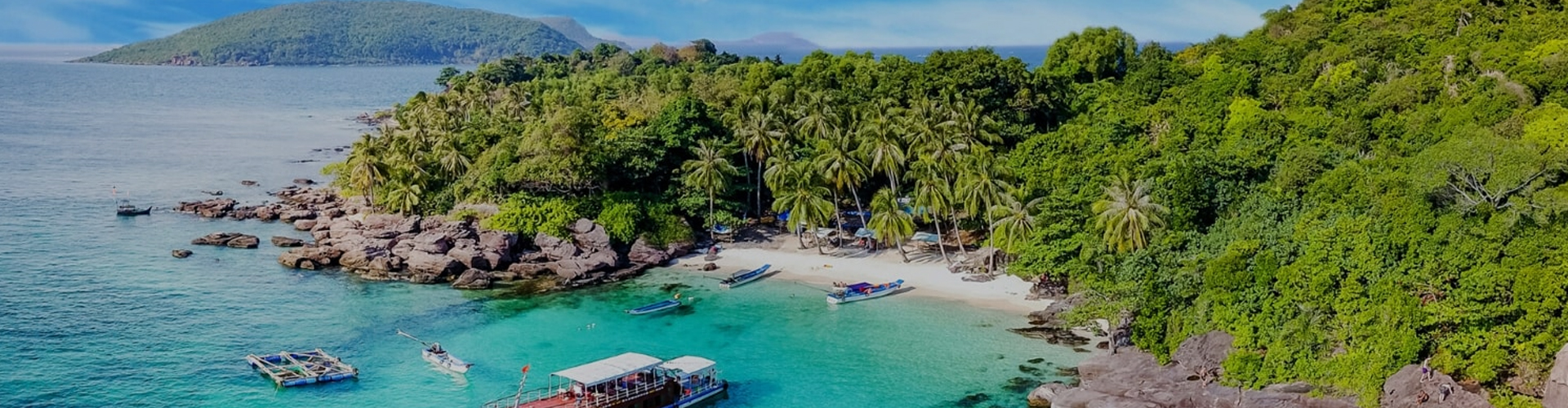
11. Phu Quoc – Best for Beaches and Easy Island Holidays
Phu Quoc is a convenient choice for travelers who want to finish a busy Vietnam itinerary with several days by the sea.
The island offers resorts, beaches, sunset cruises, snorkeling trips, and direct flight connections. Development varies by area, so accommodation location should match the type of trip you want.
- Choose the right beach area: Some zones are lively and convenient, while others provide quieter surroundings.
- Take a boat trip: Southern island routes often include snorkeling and smaller beaches.
- Allow time to rest: Phu Quoc works best when it is not treated as another fast sightseeing stop.
See more: Vietnam Tour
12. Con Dao – Best for Quiet Beaches, Nature, and History
Con Dao is better suited to travelers seeking space, nature, and historical depth than large-scale entertainment.
Its beaches are generally quieter than those on more developed islands, while the former prison sites reveal an important part of Vietnam’s modern history. Seasonal marine activities may also include turtle conservation experiences.
- Visit the historical prison sites: These locations explain the island’s role during the colonial and wartime periods.
- Explore beaches and national park areas: The island’s natural setting is central to its appeal.
- Plan transport in advance: Flights and accommodation choices are more limited than in Phu Quoc.
7
How to Choose Where to Go in Vietnam
The right destination depends on your interests, trip length, and tolerance for frequent transfers. First-time visitors usually have a better experience by choosing fewer places and spending more time in each one.
|
Travel preference |
Recommended destinations |
Suggested trip length |
|
History and culture |
Hanoi, Hue, Hoi An |
7–9 days |
|
Mountains and trekking |
Ha Giang, Sapa, Ninh Binh |
7–10 days |
|
Classic Vietnam highlights |
Hanoi, Ha Long Bay, Hoi An, Ho Chi Minh City |
10–14 days |
|
Food-focused travel |
Hanoi, Hue, Hoi An, Ho Chi Minh City |
9–12 days |
|
Beach and relaxation |
Hoi An, Phu Quoc, or Con Dao |
7–10 days |
Plan Your First Vietnam Journey with Asianway Travel
Choosing where to go in Vietnam becomes easier once you define your priorities. Hanoi and Hue suit history-focused travelers, Ha Giang and Phong Nha offer outdoor adventure, while Hoi An, Phu Quoc, and Con Dao allow a slower pace.
Asianway Travel has more than 20 years of experience designing Vietnam journeys around realistic travel times, local conditions, and individual interests. Our local specialists can adjust the route, accommodation level, activities, and pace to match your plans. Explore our Vietnam tours or contact Asianway Travel for a personalized itinerary.