
What to See in Bangkok, Thailand: 12 Essential Sights for First-Time Visitors
Bangkok can feel overwhelming on a first visit. The city brings together royal palaces, riverside temples, crowded markets, modern towers and quiet residential canals within one vast urban area. Knowing what to see in Bangkok, Thailand helps you avoid spending too much time in traffic or visiting similar attractions repeatedly. This guide AsianWay Travel introduces 12 essential sights that reveal different sides of the capital, its historic centre and Chinese heritage to local neighbourhoods and contemporary viewpoints.
12 Essential Places to See in Bangkok, Thailand
The best Bangkok itinerary should include more than a checklist of famous landmarks. Each of the following places offers a distinct view of the city’s history, daily life, religious traditions or modern development.
1. The Grand Palace and Wat Phra Kaew
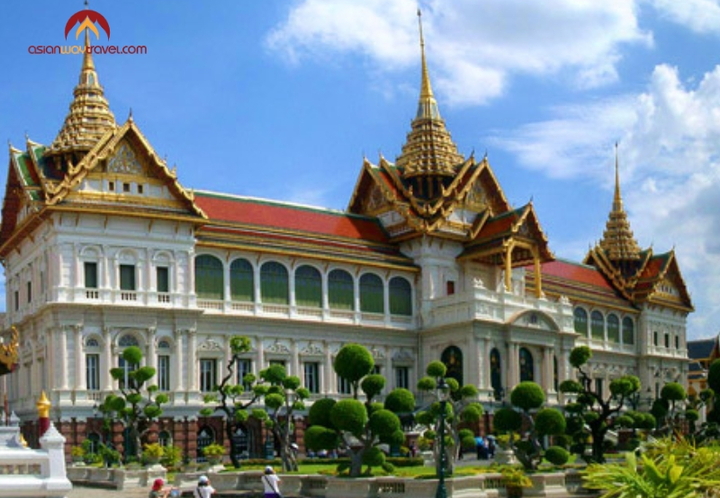
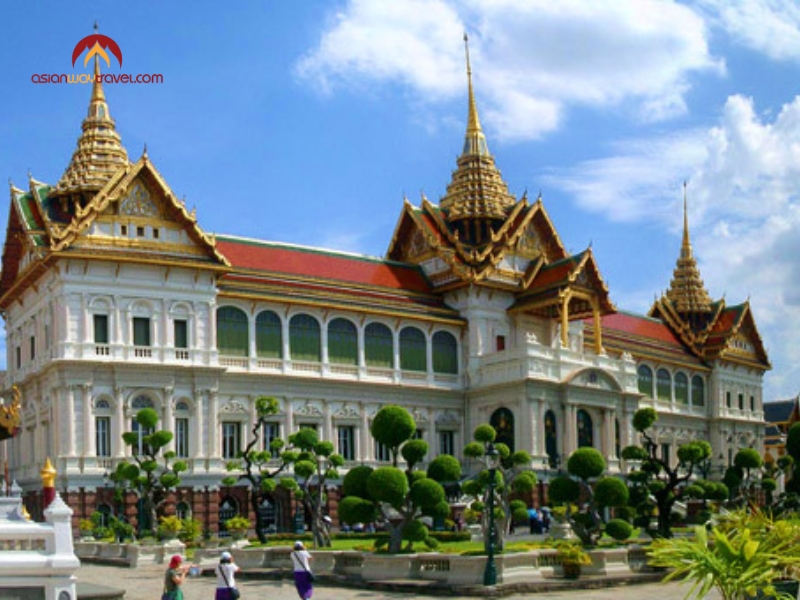
The Grand Palace is the clearest introduction to Bangkok’s royal and religious heritage. Built as the former royal residence, the complex contains ceremonial halls, courtyards and Wat Phra Kaew, home to the Emerald Buddha.
Gold-covered structures rise behind white walls, while guardian statues stand beside entrances decorated with coloured glass and detailed mosaics. The scale can feel imposing, but the smaller details often leave the strongest impression.
Visit early in the morning before the courtyards become crowded and the heat intensifies. Modest clothing covering the shoulders and knees is required. Allow around two hours to explore the site without rushing.
See more: Thailand Luxury Trips: Top Luxurious Resort Experiences You Should Not Miss
2. Wat Pho
Located near the Grand Palace, Wat Pho is best known for its Reclining Buddha, which stretches through a long hall decorated with murals and patterned columns. However, the temple complex offers much more than one famous statue.
Colourful ceramic stupas fill the courtyards, monks move quietly between prayer halls, and the sound of temple bells softens the traffic noise outside. Wat Pho is also associated with traditional Thai massage and remains an important centre for its study.
The temple is easy to combine with the Grand Palace during the same morning. Compared with the palace complex, Wat Pho feels more open and allows visitors to observe its architectural details at a slower pace.
3. Wat Arun
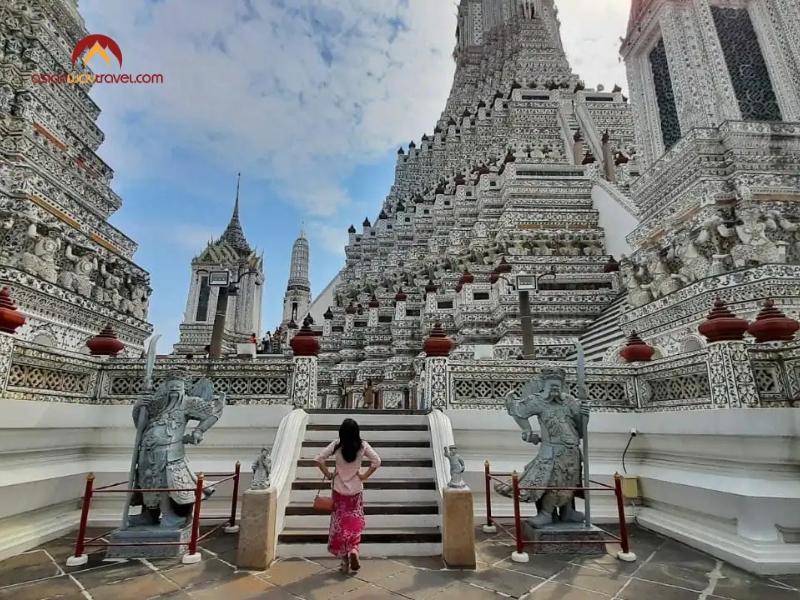
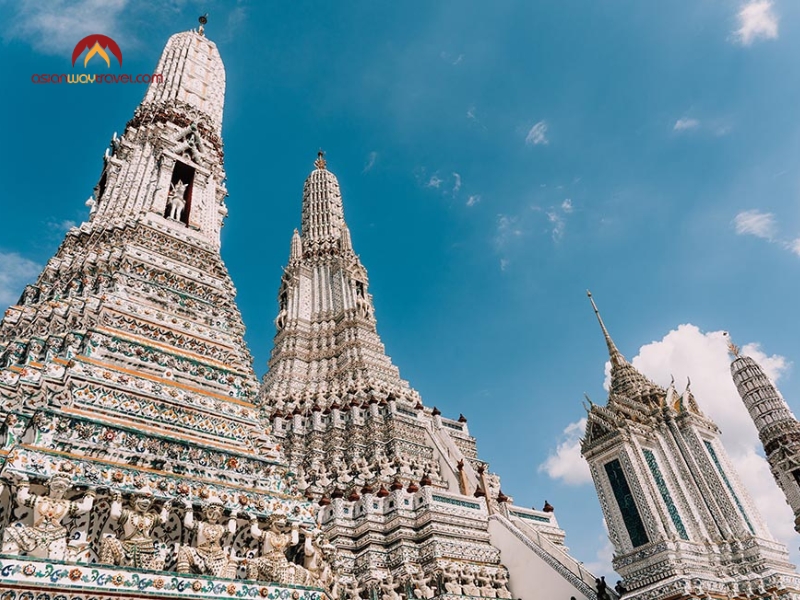
Wat Arun stands on the western bank of the Chao Phraya River and is recognised by its central prang, or tower, covered with porcelain and ceramic decoration.
A short ferry journey the opposite bank is part of the experience. Boats cross the brown water as temple roofs, riverside houses and modern hotels appear along the shoreline. Up close, the tower reveals floral patterns and figures that are difficult to appreciate across the river.
Morning light highlights the ceramic surfaces, while late afternoon creates softer views the eastern riverbank. Wat Arun combines well with Wat Pho and a Chao Phraya boat journey.
4. The Chao Phraya River
The Chao Phraya River is not simply a scenic feature. It has shaped Bangkok’s trade, settlement patterns and transportation for generations.
A public riverboat offers one of the most practical ways to experience it. Along the route, wooden houses and temple roofs appear beside luxury hotels, office towers and construction sites. Ferries cut across the current while long-tail boats move between piers.
The journey provides a clearer understanding of Bangkok’s geography than travelling only by road. It also connects several major attractions, including Wat Arun, the Grand Palace area and riverside shopping districts.
5. Bangkok’s Thonburi Canals
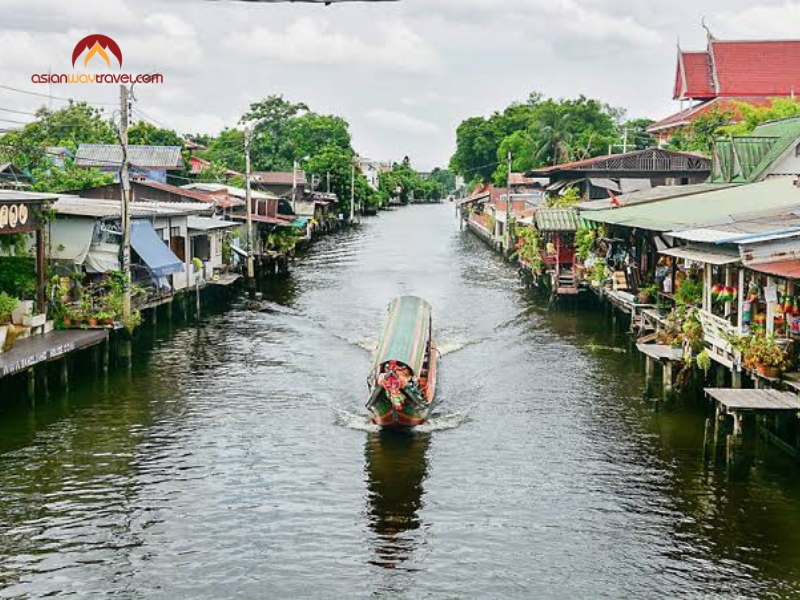
For a quieter view of the capital, take a long-tail boat through the canals of Thonburi. These waterways reveal a Bangkok that developed before wide roads and elevated rail lines dominated the city.
Wooden houses stand close to the water, laundry hangs balconies, and small shrines occupy spaces between homes. Residents feed fish waterside platforms while boats pass beneath low bridges.
A canal trip is particularly suitable for travellers interested in local life rather than major monuments. It offers a useful contrast to the formal architecture of the Grand Palace and the commercial energy of central Bangkok.
6. Yaowarat Road and Bangkok Chinatown
Yaowarat becomes most compelling in the evening, when illuminated signs, food stalls and dense traffic transform the street one of Bangkok’s busiest dining areas.
Smoke rises grills as cooks prepare seafood, noodles, dumplings and Thai-Chinese desserts. Behind the main road, narrow lanes contain gold shops, herbal medicine stores, temples and long-established family businesses.
Chinatown reflects the influence of Chinese migration on Bangkok’s commerce and cuisine. Rather than trying to sample everything, choose a few dishes and explore the smaller streets around Yaowarat, Wat Mangkon and Sampheng Market.
See more: Thailand Tour
7. Talat Noi
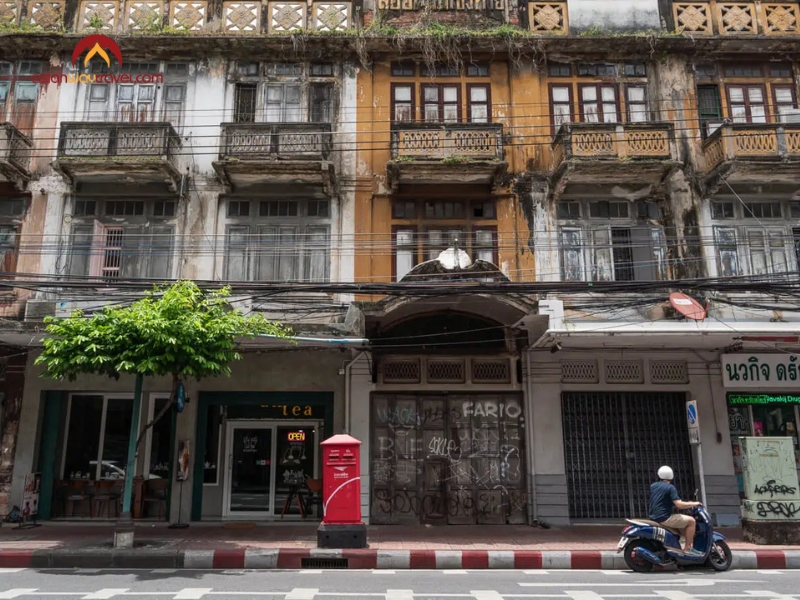
Talat Noi sits close to Chinatown but offers a slower and more residential experience. The neighbourhood developed around trading communities, warehouses and mechanical workshops.
Old engine parts are stacked outside repair shops, street art covers weathered walls, and historic Chinese shrines stand between cafés and family homes. The area rewards travellers who prefer walking without a fixed list of attractions.
Talat Noi is particularly suitable for photography, architecture and neighbourhood exploration. Visit during the afternoon before continuing to Yaowarat for dinner, creating a natural transition quiet lanes to Bangkok’s evening crowds.
8. Jim Thompson House
The Jim Thompson House presents traditional Thai architecture in a setting that feels removed the surrounding commercial district.
The complex consists of several wooden houses assembled around a tropical garden. Inside, visitors can see Southeast Asian art, textiles, carved furniture and domestic spaces designed to respond to the climate.
The site also introduces the story of Jim Thompson and his role in promoting Thai silk internationally. It suits travellers interested in design, craftsmanship and cultural history, especially those who want an alternative to temples. Its central location makes it easy to combine with the Siam shopping area.
9. Pak Khlong Talat Flower Market
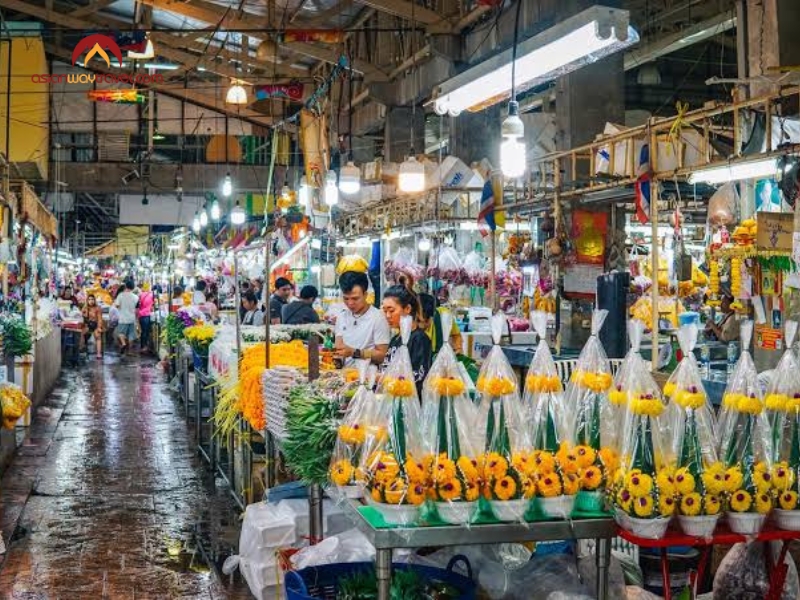
Pak Khlong Talat provides a close view of the supply network behind Bangkok’s temples, ceremonies, hotels and households.
Vendors sort orchids, roses, jasmine and marigolds beneath bright lamps. Workers carry bundles through narrow aisles while others prepare garlands used for religious offerings and everyday decoration. The market is functional rather than staged for tourists, which gives the visit greater value.
Early morning and late evening are active periods, although the atmosphere changes throughout the day. The market can be combined with the Old City, Wat Pho or a riverside walk.
10. Chatuchak Weekend Market
Chatuchak is one of Bangkok’s best-known shopping areas, but its size means visitors need a clear plan.
The market contains sections selling clothing, ceramics, household goods, art, plants, food and souvenirs. Narrow passages fill quickly, fans turn above small shops, and vendors arrange products floor to ceiling.
Instead of trying to cover the entire market, two or three areas that match your interests. Arriving in the morning provides cooler conditions and smaller crowds. Chatuchak is most relevant for weekend itineraries and usually requires at least half a day.
11. Lumpini Park
Lumpini Park offers a pause Bangkok’s dense traffic, shopping centres and crowded pavements.
In the morning, runners follow paths around the lake while groups practise tai chi beneath the trees. Monitor lizards sometimes move through the grass or swim close to the shoreline, creating an unexpected wildlife encounter in the centre of the city.
The park is not a major sightseeing attraction in the conventional sense, but it shows how local residents use public space. It works well before breakfast or between visits to central Bangkok’s commercial areas.
12. A Bangkok Rooftop or Riverside Viewpoint
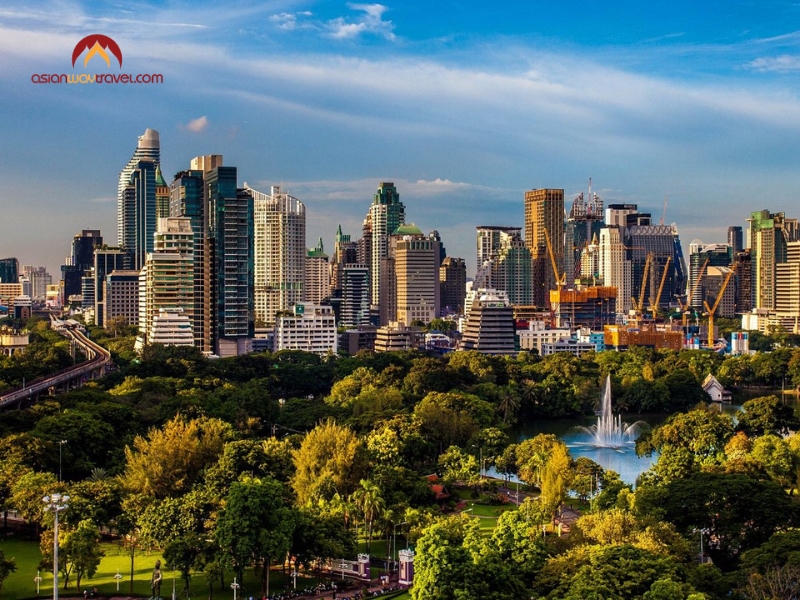
Seeing Bangkok above helps put the city’s scale perspective. Rooftop bars and observation areas reveal clusters of towers, elevated roads, temple spires and the curves of the Chao Phraya River.
Arrive before sunset to watch the skyline change daylight to artificial illumination. Traffic begins to form red and white lines below while buildings light up across the horizon.
A riverside viewpoint offers a quieter alternative, particularly around Wat Arun or the historic district. Check dress requirements and reservation policies before visiting a rooftop venue, as conditions vary between locations.
How to Organize These Bangkok Sights Efficiently
Bangkok’s traffic can significantly reduce sightseeing time. Grouping attractions by neighbourhood is more effective than selecting places different sides of the city on the same day.
|
Area |
Sights to combine |
Recommended time |
|
Old City |
Grand Palace, Wat Pho, Pak Khlong Talat |
One morning |
|
Riverside and Thonburi |
Wat Arun, Chao Phraya River, canals |
Half a day |
|
Chinatown |
Talat Noi, Yaowarat, Wat Mangkon |
Afternoon and evening |
|
Central Bangkok |
Jim Thompson House, Lumpini Park, rooftop |
Half a day |
|
Northern Bangkok |
Chatuchak Weekend Market |
Weekend morning or early afternoon |
Practical Tips for First-Time Visitors
A small amount of planning can make sightseeing in Bangkok more comfortable and reduce unnecessary travel.
- Start temple visits early: Morning temperatures are generally more comfortable, and major religious sites become busier later in the day.
- Dress appropriately: Cover the shoulders and knees when entering temples and royal sites. Lightweight clothing is practical in Bangkok’s warm climate.
- Use boats and rail transport: The BTS, MRT and riverboats can help you avoid long delays on congested roads.
- Plan by neighbourhood: Combine nearby attractions and avoid travelling repeatedly between the historic district and outer areas.
- Leave time for food: Markets and neighbourhoods such as Chinatown deserve dedicated time. Treating them as brief photo stops limits the experience.
See Bangkok with a Journey Designed Around You
Deciding what to see in Bangkok, Thailand is easier when the itinerary balances historic landmarks, local neighbourhoods, river travel and modern city views. First-time visitors should prioritise the Grand Palace, Wat Pho, Wat Arun and Chinatown, then add canals, markets or cultural sites according to their interests.
Asianway Travel has more than 20 years of experience designing journeys across Thailand and Southeast Asia. Our local team can arrange a private Bangkok itinerary around your available time, preferred travel pace and specific interests, while coordinating transport and on-site support. Explore our Thailand tours or contact our travel specialists to start planning a Bangkok journey that goes beyond a standard sightseeing checklist.