
Where to Go in Cambodia: 10 Best Places for Culture, Nature and Beaches
Deciding where to go in Cambodia involves more than choosing between Phnom Penh and Angkor Wat. Beyond its famous temples, the country offers riverside towns, quiet islands, forested highlands and rural communities where traditional life remains visible. The right destinations depend on how much time you have and whether you prefer history, local culture, nature or beaches. This guide AsianWay Travel covers 10 places worth considering, explains what makes each one different and suggests how long to stay. It will help you build a Cambodia itinerary that matches your interests without trying to cover too much in one trip.
10 Best Places to Go in Cambodia
Cambodia’s destinations offer distinct experiences, exploring Khmer architecture to watching dolphins on the Mekong. The following places cover the country’s main cultural, natural and coastal highlights.
1. Siem Reap – Best for Angkor Temples and Khmer Heritage
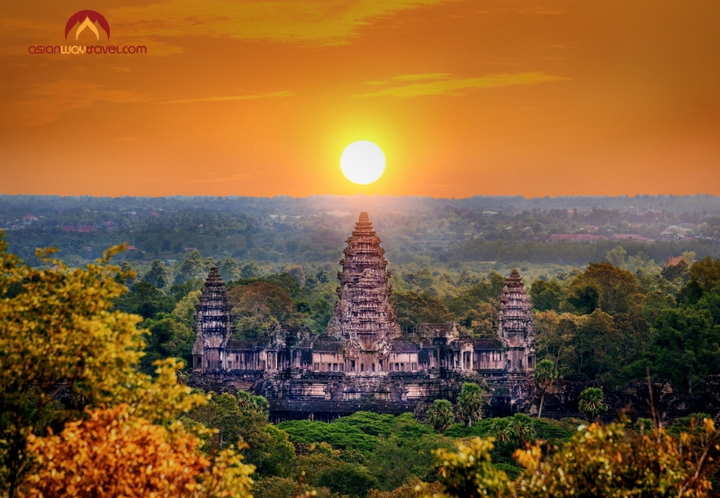
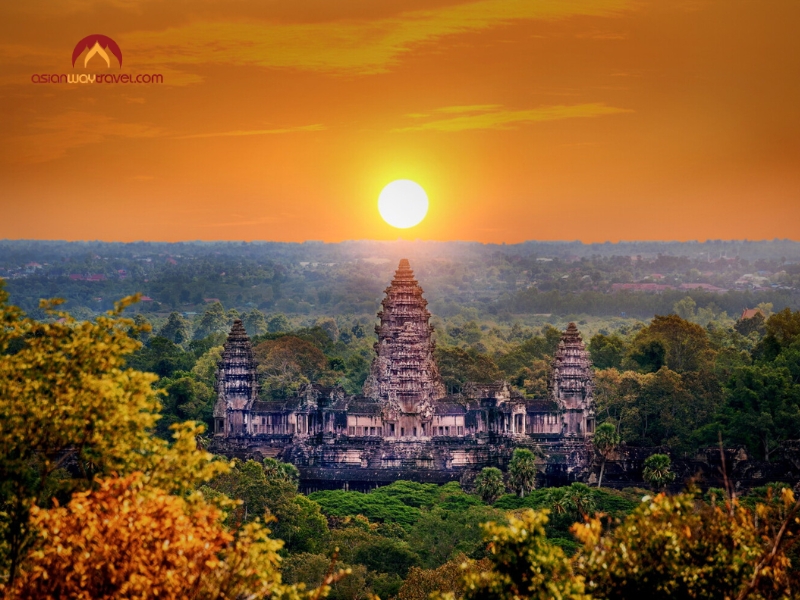
Siem Reap is the first choice for travelers interested in Cambodia’s Khmer heritage. It provides access to the Angkor Archaeological Park, but the experience extends far beyond one sunrise at Angkor Wat.
Walk beneath the carved faces of Bayon, follow tree roots across the stone walls of Ta Prohm and examine the detailed pink sandstone carvings at Banteay Srei. Starting early allows you to hear birds and footsteps in the temple corridors before larger groups arrive.
Siem Reap also offers local markets, Khmer restaurants and access to communities around Tonlé Sap Lake. The city is suitable for first-time visitors, history enthusiasts and photographers.
See more: Holidays in Asia: 10 Best Destinations for Every Type of Traveller
2. Phnom Penh – Best for History, Food and Contemporary Cambodia
Phnom Penh shows Cambodia as a living, changing country rather than an archaeological destination. The capital combines royal architecture, difficult modern history, busy markets and an increasingly varied dining scene.
Begin with the Royal Palace and National Museum before walking along the riverfront, where food stalls, cafés and public spaces become busier toward sunset. Visits to Tuol Sleng Genocide Museum and the Choeung Ek memorial provide essential context for understanding Cambodia’s recent past, although both require time and emotional preparation.
Between historical sites, explore local markets and try dishes such as fish amok, grilled meats and Khmer noodles. Phnom Penh suits travelers who want to understand the country beyond its monuments.
3. Battambang – Best for Rural Life and Local Arts
Battambang offers a slower experience than Phnom Penh or Siem Reap. Its main value lies in the surrounding countryside, local art community and everyday rhythm of northwestern Cambodia.
Outside the city, narrow roads pass rice fields, family farms, small temples and workshops producing rice paper or traditional foods. Phnom Sampeau combines historical sites, caves and wide views across the plain. Near sunset, visitors gather below the limestone cliffs to watch streams of bats leave the caves.
The bamboo train is a popular attraction, but it should not be the only reason to visit. Battambang is better suited to travelers who want time to cycle, observe village life and explore without a crowded schedule.
4. Kampot – Best for Riverside Travel and Countryside Experiences
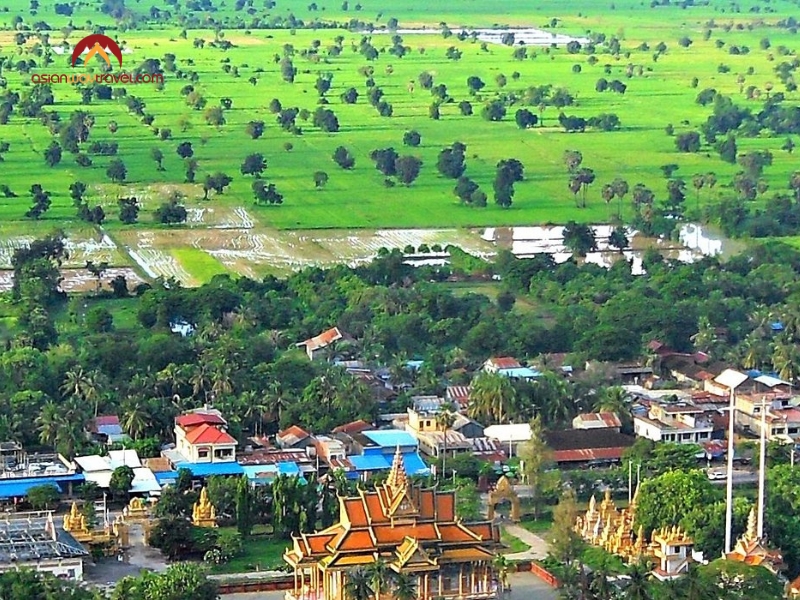
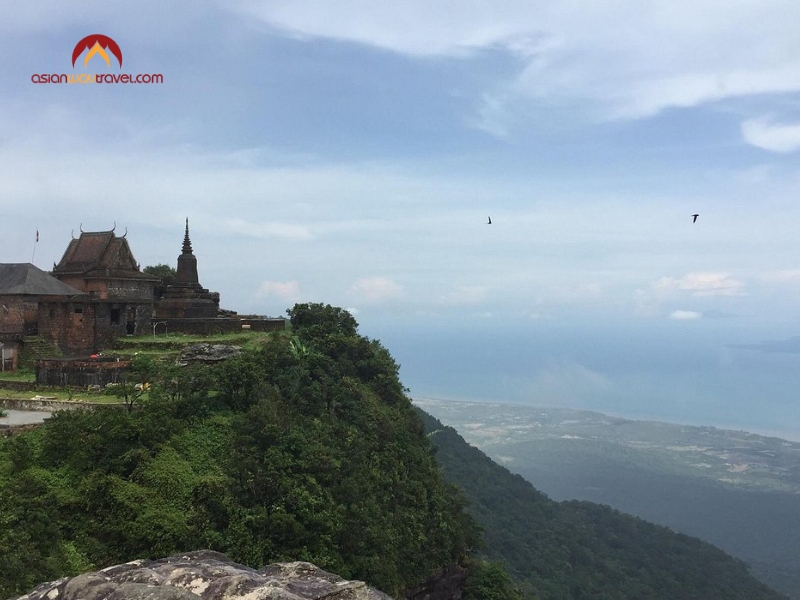
Kampot is a practical stop for travelers who prefer a relaxed pace. The compact riverside center is surrounded by pepper farms, salt fields, caves and the forested slopes of Bokor Mountain.
During the day, you can visit a pepper plantation to learn how Kampot pepper is cultivated and processed. Cycling or taking a tuk-tuk through the countryside reveals small villages, grazing cattle and fields stretching toward the mountains.
In the evening, boats move slowly along the river as the light fades behind Bokor. Kampot does not require a long sightseeing checklist. Its appeal comes combining short activities with time to enjoy the town, making it suitable for couples and slow-travel itineraries.
5. Kep – Best for Seafood and a Quiet Coastal Break
Kep offers a different coastal experience Cambodia’s islands. Visitors come for fresh seafood, quiet roads and short nature excursions rather than large beaches or active nightlife.
At the crab market, vendors sort blue crabs beside the water while nearby kitchens prepare them with fresh Kampot pepper. Kep National Park provides accessible walking routes with views across the coastline and surrounding countryside. Boat trips to nearby Rabbit Island can add a simple beach day.
Kep works well as a short extension Kampot because the two towns are close enough to combine without a demanding transfer. Choose it for seafood and a peaceful coastal atmosphere, not for a conventional beach resort experience.
6. Koh Rong – Best for Beaches and Island Activities
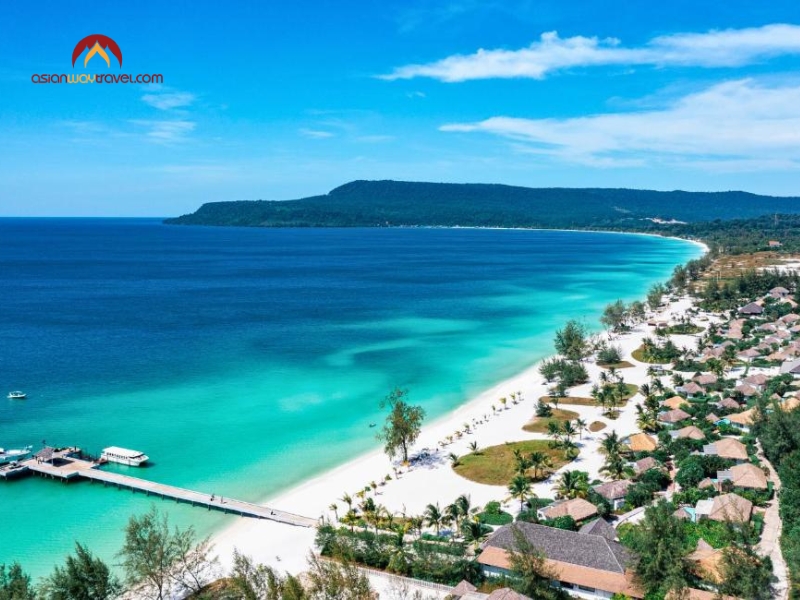
Koh Rong is one of Cambodia’s strongest choices for a dedicated beach stay. Long stretches of sand and clear water provide opportunities for swimming, kayaking, snorkeling and boat trips.
The experience varies considerably by location. Koh Touch has more restaurants, accommodation and evening activity, while areas such as Long Set Beach and Sok San offer a quieter setting. Choosing the right beach is therefore more important than simply choosing the island.
Koh Rong is suitable for travelers who want several days by the sea after visiting Phnom Penh or Siem Reap. Allow enough time to account for boat transfers and changing weather rather than treating the island as a rushed overnight stop.
7. Koh Rong Samloem – Best for a Slower Island Escape
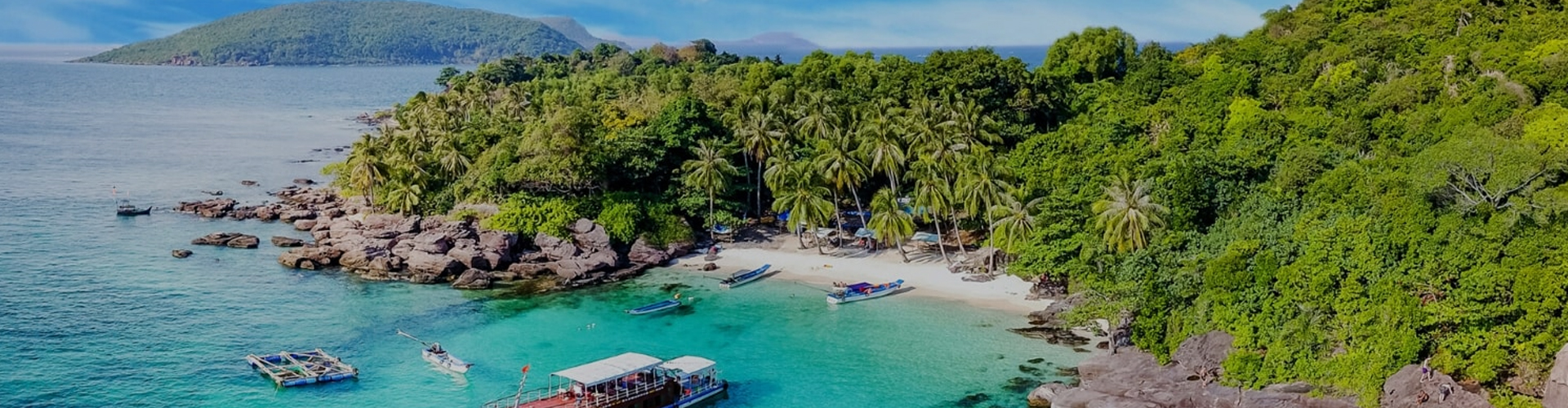
Koh Rong Samloem is generally quieter and less developed than neighboring Koh Rong. It is better suited to travelers who value peaceful surroundings over a wide selection of restaurants and nightlife.
Days here revolve around swimming, reading, short walks and boat trips. In sheltered bays, wooden boats rest on calm water while forest rises close behind the beach. Some routes cross the island between different bays, although trail conditions can change during the rainy season.
Accommodation ranges simple bungalows to comfortable beachfront resorts. The island is a strong choice for couples, honeymooners and travelers who want to disconnect for a few days.
8. Kratie – Best for Mekong River Life and Dolphin Watching
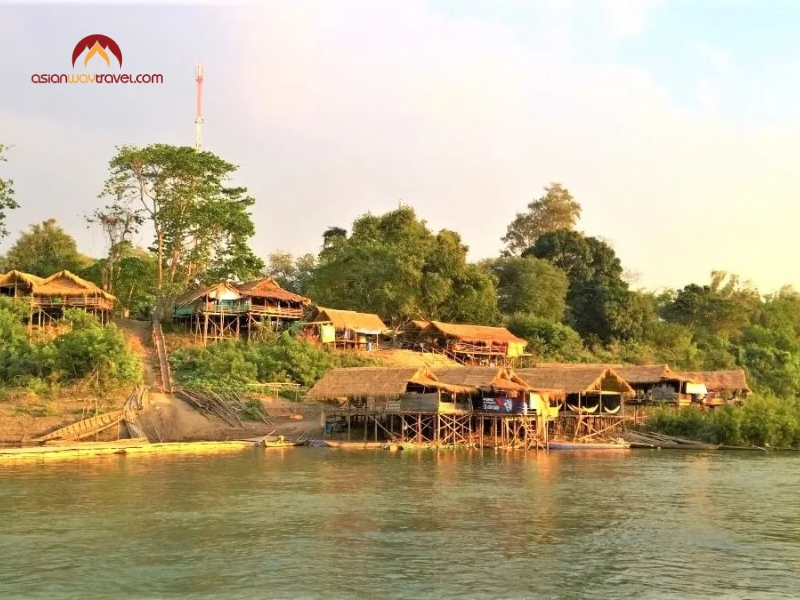
Kratie provides an opportunity to experience the Mekong and the communities that depend on it. Its best-known attraction is the population of endangered Irrawaddy dolphins living in the river north of town.
Small boats take visitors onto the Mekong, where the engine is often reduced or stopped near dolphin areas. The experience is quiet: the surface breaks briefly as a rounded head or fin appears before disappearing again.
Kratie also serves as a base for visiting Koh Trong, an island opposite the town. Cycling around the island passes wooden houses, orchards, rice fields and small temples. This destination suits travelers interested in wildlife and local life rather than major monuments.
See more: Cambodia Tour
9. Mondulkiri – Best for Forests, Waterfalls and Responsible Wildlife Experiences
Mondulkiri feels different Cambodia’s central plains. Its higher elevation, forested hills and cooler evenings make it a strong option for trekking and nature-focused travel.
Sen Monorom, travelers can visit waterfalls, explore rural roads and join guided walks through forest landscapes. The province is also associated with elephant tourism, so choosing a responsible program is essential.
Prioritize sanctuaries that allow elephants to move naturally and do not offer riding, performances, forced bathing or constant physical interaction. A well-managed visit focuses on observation and education rather than entertainment.
Mondulkiri requires additional travel time, making it most suitable for longer itineraries and visitors who place nature above convenience.
10. Koh Ker and Preah Vihear – Best for Remote Temple Exploration
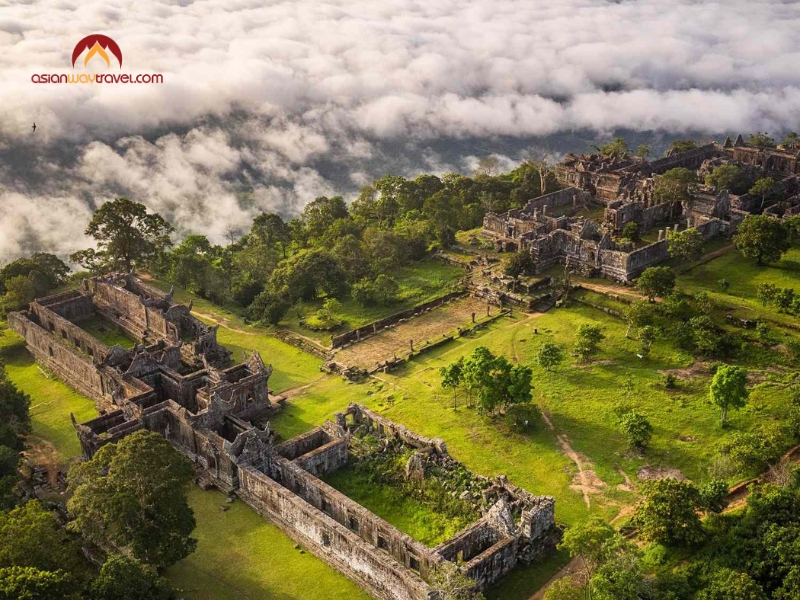
Koh Ker and Preah Vihear are suitable for travelers who have already seen Angkor or want to explore Khmer architecture with fewer visitors.
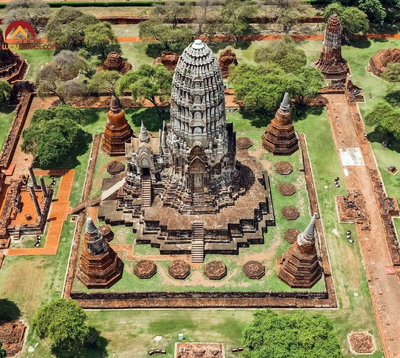
Koh Ker briefly served as a capital of the Khmer Empire and contains temples spread through a forested archaeological area. Its most recognizable structure, Prasat Thom, rises in a stepped pyramid form that differs Angkor Wat’s towers and galleries.
Preah Vihear stands on the edge of a plateau overlooking the Cambodian plain. Its sanctuaries, stairways and paved passages extend along a long north–south axis, using the mountain landscape as part of the temple design.
How to Choose Where to Go in Cambodia
The best destinations depend on your main interests and available time. Use the following comparison to narrow your choices before arranging transport and accommodation.
|
Travel interest |
Recommended destinations |
|
First visit to Cambodia |
Siem Reap and Phnom Penh |
|
History and architecture |
Siem Reap, Phnom Penh, Koh Ker and Preah Vihear |
|
Local culture and countryside |
Battambang, Kampot and Kratie |
|
Beaches and relaxation |
Koh Rong, Koh Rong Samloem and Kep |
|
Forests and wildlife |
Mondulkiri and Kratie |
|
Slow-paced travel |
Kampot, Kep and Battambang |
|
Less crowded experiences |
Kratie, Mondulkiri and Koh Ker |
Plan Your Cambodia Journey with Asianway Travel
Knowing where to go in Cambodia starts with identifying the experiences that matter most to you. Siem Reap and Phnom Penh provide the strongest introduction, while Battambang, Kampot, Kratie, Mondulkiri and the southern islands reveal quieter sides of the country.
With more than 20 years of regional experience and practical local knowledge, Asianway Travel can design a Cambodia itinerary around your available time, travel pace and preferred experiences. Explore our Cambodia tours or speak with our specialists to create a route that balances important landmarks with meaningful local experiences.