
15 Best Things to Do in Vietnam for First-Time Visitors
Vietnam offers far more than a checklist of famous landmarks. A first journey may take you Hanoi’s crowded food streets to limestone bays, imperial monuments, lantern-lit trading towns and the waterways of the Mekong Delta. The challenge is deciding which experiences deserve space in your itinerary. This guide AsianWay Travel covers 15 of the best things to do in Vietnam, with practical suggestions on where to go, what makes each activity worthwhile and how to combine the highlights without rushing through the country.
15 Best Things to Do in Vietnam
The most rewarding Vietnam itinerary combines cities, landscapes, food and local life. The following experiences provide a balanced introduction to the country’s different regions.
1. Explore Hanoi’s Old Quarter on Foot
Hanoi’s Old Quarter offers one of the clearest views of everyday urban life in Vietnam. Its narrow streets still carry the names of trades once concentrated in each area.
Motorbikes stream between weathered shop-houses while vendors arrange fruit, flowers and steaming pots of noodles along the pavements. Walking allows you to notice details that disappear a vehicle, including small temples, hidden courtyards and family businesses operating behind narrow façades.
Begin near Hoan Kiem Lake and explore the surrounding streets in the morning, when shops open and breakfast stalls are busiest. A local guide can explain the district’s architecture and help you cross its traffic with confidence.
.png)
2. Try Vietnamese Street Food with a Local Guide
Vietnamese food changes significantly between regions, making a food tour more useful than ordering the same familiar dishes in every city.
In Hanoi, try bun cha with grilled pork, fresh herbs and rice noodles. Central Vietnam is known for dishes with stronger seasoning, while southern cooking often uses sweeter sauces and a wider range of tropical ingredients. Pho and banh mi are widely available, but local specialities provide a better understanding of each destination.
A knowledgeable guide can introduce trusted stalls, explain unfamiliar ingredients and show you how dishes are eaten locally. Evening food walks are particularly effective because several small tastings can replace a formal dinner.
.png)
See more: Fansipan Vietnam: Is the Roof of Indochina Worth Visiting?
3. Spend a Night on Ha Long Bay
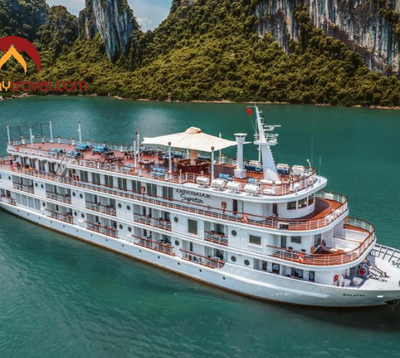
An overnight cruise offers more time to appreciate Ha Long Bay than a rushed day trip. It also lets you see the limestone landscape after many excursion boats have returned to port.
During the afternoon, boats move between steep forested islands while smaller vessels carry passengers to caves, beaches or kayaking areas. As daylight fades, the water becomes quieter and the silhouettes of the karsts sharpen against the sky.
Most one-night programmes include meals, a cave or village visit and an early-morning activity. Travellers seeking less boat traffic can also consider routes through Lan Ha Bay or Bai Tu Long Bay.
.png)
4. Trek Through Northern Vietnam’s Mountain Landscapes
Northern Vietnam provides a sharp contrast to the country’s major cities. Mountain roads pass terraced fields, deep valleys and villages inhabited by different ethnic communities.
Sapa is accessible and offers established trekking routes, while Ha Giang suits travellers looking for more dramatic scenery and longer road journeys. In both areas, the experience becomes more meaningful when accompanied by a local guide who can explain farming practices, clothing traditions and village customs.
Choose an appropriate route for your fitness level. Responsible visits should respect private homes, ask before photographing residents and use locally operated accommodation where possible.
.png)
5. Visit the Imperial Heritage of Hue
Hue provides essential context for understanding Vietnam’s royal history. The city served as the capital of the Nguyen dynasty and retains monuments connected to the former imperial court.
Inside the Imperial City, gates, courtyards and ceremonial buildings reveal how political and religious spaces were organised. Beyond the centre, the royal tombs combine architecture with gardens, lakes and wooded hills. Each complex reflects the preferences of the emperor for whom it was built.
Allow at least one full day for the main monuments. Hue is also known for refined local cuisine, including small savoury cakes and dishes associated with the former royal court.
.png)
6. Walk Through Hoi An Ancient Town After Sunset
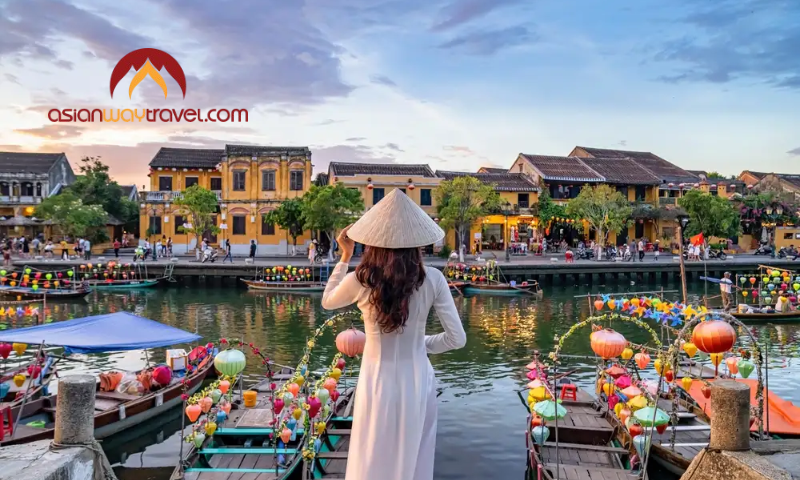
Hoi An is best experienced slowly rather than as a quick stop for photographs. The former trading port preserves timber buildings shaped by Vietnamese, Chinese, Japanese and European influences.
In the late afternoon, sunlight falls across yellow façades and tiled roofs. After dark, lanterns appear above the lanes and along the Thu Bon River, while small boats move past the waterfront.
The central streets become crowded in the evening, so explore side lanes and visit heritage houses earlier in the day. Staying overnight allows you to walk through the town in the morning before most day visitors arrive.
.png)
See more: Vietnam Tour
7. Join a Vietnamese Cooking Class
A cooking class connects the dishes served in restaurants with the ingredients and preparation methods behind them. The strongest programmes include more than a recipe demonstration.
Many classes begin at a local market, where guides introduce herbs, noodles, spices and sauces. In Hoi An, some programmes combine a market visit with a bicycle ride, herb garden or boat journey. Participants may prepare spring rolls, savoury pancakes, salads or regional noodle dishes.
Choose a small class with hands-on preparation rather than one where guests mainly watch. Inform the organiser about allergies or dietary restrictions before booking.
.png)
8. Cross the Golden Bridge at Ba Na Hills
The Golden Bridge near Da Nang is recognised for its curved walkway supported by two large stone-like hands. It provides wide mountain views when the weather is clear.
The bridge forms part of the Ba Na Hills entertainment complex rather than a separate natural attraction. A visit also includes cable cars, landscaped gardens, European-inspired buildings and indoor amusement areas. This makes it suitable for families and travellers who enjoy organised attractions.
Arrive early to reduce waiting times and check the forecast before travelling. Clouds and mist can create an atmospheric setting, but they may also block the surrounding views.
.png)
9. Relax on Vietnam’s Beaches
Vietnam’s long coastline provides several beach options, but each destination suits a different type of trip.
-
Da Nang: A practical choice for travellers combining beach time with Hoi An, Hue or the surrounding cultural attractions.
-
Nha Trang: Suitable for visitors who prefer an urban beach, water activities and a broad range of hotels.
-
Phu Quoc: Known for resort stays, island excursions and convenient beach holidays in southern Vietnam.
-
Con Dao: Better for travellers seeking a quieter island setting, natural scenery and historical sites.
Weather conditions vary by region, so the beach based on your travel month rather than choosing one national beach season.
.png)
10. Discover Ho Chi Minh City’s Contrasting Sides
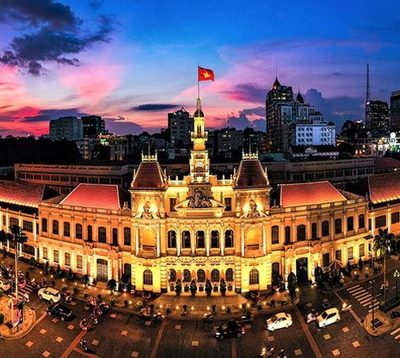
Ho Chi Minh City combines historical landmarks with the commercial pace of Vietnam’s largest urban centre. Its value lies in experiencing both sides rather than visiting monuments alone.
Colonial-era buildings stand near shopping centres and glass towers. Markets fill with the sounds of bargaining and metal shutters, while small coffee shops operate inside old apartment blocks. At street level, the constant movement of motorbikes defines the city’s rhythm.
Visit central landmarks during the day, then explore a neighbourhood food area or rooftop viewpoint in the evening. A guided walking tour can connect the city’s architecture with its twentieth-century history.
.png)
11. Learn About the Cu Chi Tunnels
The Cu Chi Tunnels provide insight the underground systems used during wartime. The surviving sections include narrow passages, concealed entrances, meeting spaces and examples of daily life below ground.
A guide is important because the physical structures make more sense when placed within their historical and military context. Visitors can enter widened tunnel sections, but doing so is optional and may not suit anyone uncomfortable in confined spaces.
The site can be visited Ho Chi Minh City in half a day. Combining it with another distant attraction on the same day may create an unnecessarily tiring schedule.
.png)
12. Travel Through the Mekong Delta by Boat
The Mekong Delta is not one single attraction but a broad region shaped by rivers, canals, agriculture and riverside communities.
Small boats pass beneath water coconut palms and alongside houses built close to the banks. Depending on the route, visitors may stop at orchards, family workshops, local markets or villages producing rice paper and coconut goods.
A longer stay provides more depth than a fast day trip Ho Chi Minh City. Can Tho, Ben Tre and smaller surrounding communities offer different perspectives on the delta. Floating markets should be visited early, as activity often decreases later in the morning.
.png)
13. Visit Ninh Binh’s Limestone Landscapes
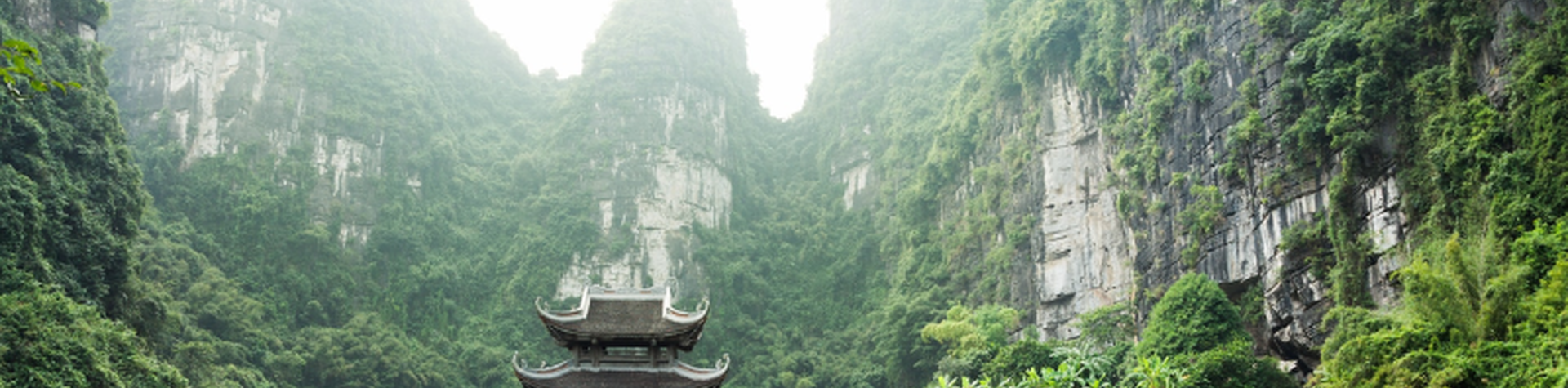
Ninh Binh combines limestone formations with rivers, rice fields and historic sites, all within convenient reach of Hanoi.
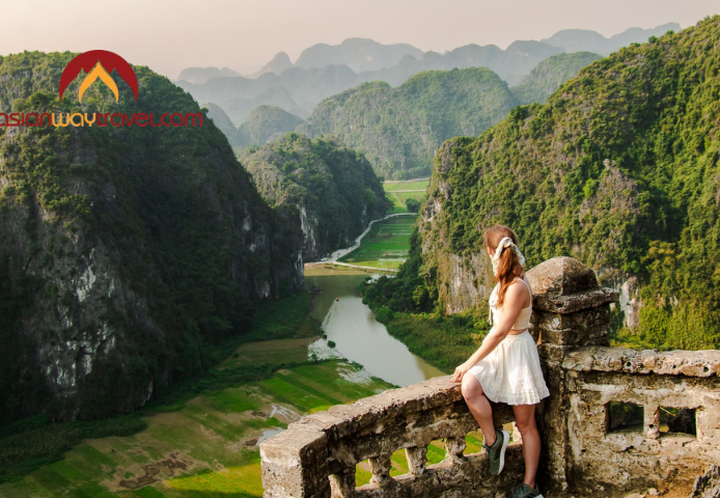
At Trang An or Tam Coc, rowboats travel through narrow waterways beneath cliffs and, on some routes, low caves. The gentle sound of oars replaces the engines of larger cruise boats. Cycling through nearby villages adds a closer view of farms, temples and rural roads.
Travellers with sufficient mobility can climb to the Hang Mua viewpoint for a broad view across the valley. Stay overnight to experience the countryside after the main day-tour groups leave.
.png)
14. Explore Vietnam by Train
Train travel reveals the distance and geographical variety that flights remove view. Rice fields, towns, coastlines and mountain slopes pass gradually beyond the window.
The section between Hue and Da Nang is particularly scenic as the railway crosses the Hai Van Pass above the coast. Overnight trains can also save a hotel night, although comfort levels depend on the carriage and ticket class.
Book a soft sleeper for longer journeys and keep essential items in a small bag. Trains are slower than flying, so use them selectively rather than relying on rail travel for every stage.
.png)
15. Spend Time in a Rural Village or Homestay
A well-managed homestay can introduce visitors to daily routines that are difficult to observe during brief sightseeing stops.
Activities may include walking through farmland, sharing a family meal, learning about local crafts or cycling between villages. The experience should not feel like a staged performance. Smaller properties operated by local families usually provide more direct interaction than large accommodations using the homestay label.
Expect simple facilities in remote areas and confirm whether the room is private. Responsible stays contribute more effectively when accommodation, guides and meals are supplied locally.
.png)
Best Time to Experience Vietnam
Vietnam does not have one weather pattern across the entire country. Conditions in the north, centre and south can differ during the same month.
Northern Vietnam has cooler winters and hot, humid summers. Central destinations may experience heavier rain later in the year, while southern Vietnam generally has distinct dry and rainy periods. Mountain temperatures can also be considerably lower than those in the cities.
Check the expected conditions for every region on your route. A flexible itinerary should also account for rough seas, heavy rain or reduced visibility in mountain areas.
.png)
Plan Your First Vietnam Journey with Asianway Travel
The best things to do in Vietnam are easier to enjoy when the route matches your available time and preferred travel pace. Asianway Travel combines more than 20 years of experience with practical local knowledge to design private, customisable journeys across Vietnam.
Explore our Vietnam tours or speak with our local specialists to build an itinerary around the landscapes, food, heritage and local experiences that matter most to you.