

Best Month to Visit Ho Chi Minh City: Weather, Crowds and Travel Costs
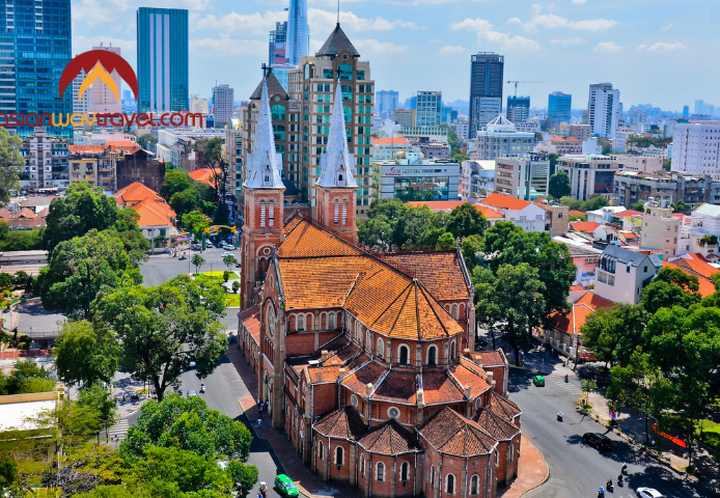
January is generally the best month to visit Ho Chi Minh City for comfortable sightseeing, low rainfall and reliable conditions for day trips. However, travelers interested in festivals, lower prices or quieter attractions may prefer another period. Ho Chi Minh City remains warm throughout the year, with a dry season December to April and a rainy season May to November. This guide AsianWay Travel compares the weather, crowds and travel costs across each period, helping you choose the right month for city tours, food experiences and excursions to the Cu Chi Tunnels or Mekong Delta.
What Is the Best Month to Visit Ho Chi Minh City?
January is the best overall choice for most first-time visitors. Rainfall is usually limited, temperatures are slightly more comfortable than later in the dry season, and outdoor plans are less likely to be disrupted.
.png)
January: The Best Overall Month
January offers a practical balance between good weather and a wide choice of activities. The city remains warm, but conditions are usually less intense than in March or April.
-
Reliable conditions for sightseeing: Dry weather makes it easier to walk between the Independence Palace, Central Post Office, Nguyen Hue Walking Street and Ben Thanh Market.
-
Better timing for outdoor tours: Trips to the Cu Chi Tunnels, Can Gio or the Mekong Delta are easier to organize when heavy rain is less likely.
-
Comfortable mornings and evenings: Early walks through local markets or evening street-food tours feel more manageable than during the hotter months.
-
Higher demand: January is part of the peak travel season, so popular hotels, guides and day tours may cost more or sell out earlier.
The city is still energetic after sunset. Motorbikes move through brightly lit intersections, food stalls fill the pavements, and the smell of grilled meat, coffee and fresh herbs spreads through side streets. January allows travelers to experience this daily rhythm without planning every activity around afternoon showers.
.png)
December: Best for Festive Atmosphere
December marks the beginning of the dry season and is another strong option. Rainfall generally decreases, while shopping streets, hotels and central landmarks begin displaying Christmas and New Year decorations.
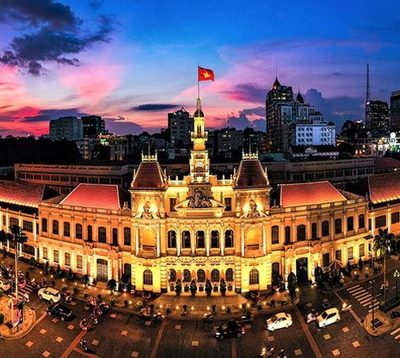
The area around Nguyen Hue Street, Dong Khoi Street and major shopping centers becomes particularly lively in the evening. Families take photographs under decorative lights, cafés stay busy, and rooftop venues attract visitors looking over the illuminated skyline.
December is suitable for travelers who want pleasant conditions combined with a festive atmosphere. However, accommodation prices may rise around Christmas and New Year, especially at centrally located hotels.
.png)
See more: Top Phong Nha Caves You Should Explore in 2026
February: Best for Cultural Experiences
February often provides dry weather similar to January. It can also coincide with Tet, the Vietnamese Lunar New Year, depending on the year.
During the weeks before Tet, streets and markets fill with flowers, decorative plants and red-and-gold ornaments. Nguyen Hue Flower Street, when held, becomes one of the city’s most visible seasonal attractions. Families shop for gifts, motorbikes carry potted flowers through traffic, and traditional foods appear in homes and markets.
Tet can be rewarding for travelers interested in Vietnamese culture, but it requires careful preparation. Some family-run restaurants, shops and local services may close during the main holiday period. Transport demand can also increase before and after the celebrations.
.png)
March and April: Best for Travelers Who Can Handle Heat
March and April remain within the dry season, but temperatures and humidity become more demanding. April is often one of the hottest periods of the year.
These months still suit travelers who want predictable outdoor conditions. The key is to organize walking tours in the morning, take a break during the hottest part of the afternoon and return outside later in the day.
Museums, cafés, shopping centers and indoor markets provide useful midday options. In the late afternoon, the streets become active again as office workers leave work, street vendors prepare dinner and rooftop bars begin filling before sunset.
Late April may also attract more domestic visitors because of the Reunification Day and International Workers’ Day holiday period. Travelers visiting around these dates should reserve transport and accommodation in advance.
.png)
May to November: Best for Lower Costs and Fewer Crowds
The rainy season begins around May and normally continues through November. This does not mean rain falls continuously every day. Showers are often intense but relatively brief, commonly appearing in the afternoon or evening.
-
Lower seasonal demand: Hotels and tour operators may offer more competitive prices than during the peak dry season.
-
Quieter attractions: Museums, landmarks and walking areas can feel less crowded outside domestic holiday periods.
-
Flexible city experiences: Food tours, cafés, shopping and museum visits remain practical throughout the rainy season.
-
Greater weather uncertainty: Heavy showers may cause temporary traffic delays or localized flooding in low-lying streets.
Rain can change the city quickly. The sky darkens, vendors pull plastic covers over their carts, and motorbike riders stop to put on raincoats. Thirty minutes later, traffic begins moving again while water runs along the edge of the pavement. Travelers who keep a flexible schedule can still see the city without losing an entire day.
.png)
Ho Chi Minh City Weather by Month
Weather patterns vary year to year, but the following table provides a practical overview for trip planning.
|
Month |
Typical Conditions |
Rain Level |
Crowd Level |
Best For |
|
January |
Dry and warm |
Low |
High |
First-time visitors |
|
February |
Dry and sunny |
Low |
High around Tet |
Festivals and culture |
|
March |
Hot and mostly dry |
Low |
Moderate |
Outdoor sightseeing |
|
April |
Very hot and humid |
Low to moderate |
Moderate to high |
Travelers comfortable with heat |
|
May |
Start of rainy season |
Moderate |
Lower |
Better-value trips |
|
June |
Warm with regular showers |
High |
Low to moderate |
Food and indoor activities |
|
July |
Humid with frequent rain |
High |
Moderate |
Flexible family travel |
|
August |
Warm and rainy |
High |
Moderate |
Budget-conscious visitors |
|
September |
Frequent heavy showers |
High |
Low |
Lower hotel demand |
|
October |
Rainy but gradually improving |
High |
Low |
Flexible itineraries |
|
November |
Transition toward dry season |
Moderate |
Moderate |
Balance of cost and weather |
|
December |
Drier and festive |
Low |
High |
Holiday travel |
Travelers should treat monthly weather information as a general guide rather than a guarantee. Tropical weather can change quickly, particularly during the transition months of May and November.
.png)
Practical Tips for Visiting Ho Chi Minh City in Any Month
Good planning matters more than finding perfect weather. Ho Chi Minh City is active throughout the year, and most challenges can be managed with a flexible daily schedule.
-
Start outdoor activities early: Morning temperatures are usually easier for walking, visiting markets and exploring architectural landmarks.
-
Carry lightweight rain protection: A compact umbrella or thin rain jacket is useful even during transition periods outside the main rainy season.
-
Wear breathable clothing: Light fabrics and comfortable footwear are suitable for the city’s consistently warm, humid climate.
-
Allow extra travel time: Rain and rush-hour traffic can slow short journeys, particularly between central districts and suburban attractions.
-
Book early during peak periods: Reserve hotels and private tours ahead of Christmas, New Year and Tet.
-
Use indoor stops strategically: Plan cafés, museums or lunch breaks during the hottest part of the day or when rain is forecast.
-
Check Tet dates before booking: The Lunar New Year changes annually and may affect transport, restaurant opening hours and attraction schedules.
For most travelers, a typical day works well with sightseeing early morning until lunch, an indoor break during the afternoon and food or cultural activities in the evening.
.png)
Plan Your Ho Chi Minh City Trip with Asianway Travel
January is the best month to visit Ho Chi Minh City for most first-time travelers because it combines dry conditions with comfortable sightseeing and reliable day trips. December and February are strong alternatives, while the rainy season offers lower demand and a different view of daily city life.
The ideal travel period also depends on where you plan to go after the city. A trip combining Ho Chi Minh City, the Cu Chi Tunnels and the Mekong Delta requires different timing and transport planning a short urban stay.
With more than 20 years of local travel experience, Asianway Travel designs private Vietnam itineraries around each traveler’s schedule, interests and preferred pace. Explore our Vietnam tours or speak with our local specialists to plan a Ho Chi Minh City journey with suitable dates, practical routing and carefully selected experiences.