

Fansipan Vietnam: Is the Roof of Indochina Worth Visiting?
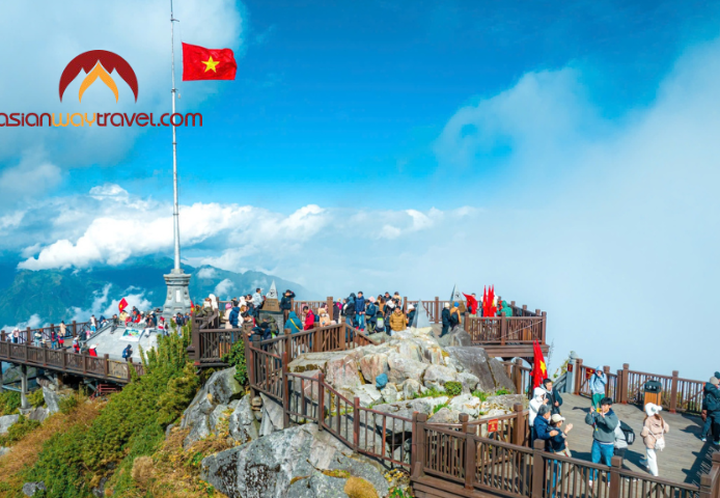
Many travelers come to Sapa expecting rice terraces, cool mountain air, and misty valleys. Then Fansipan changes the scale. Suddenly, northern Vietnam is no longer just a soft landscape of villages and viewpoints. It becomes a vertical journey, rising the town of Sapa to the highest peak in Vietnam. Fansipan Vietnam is not only a place to tick off a map. It is where clouds move under your feet, prayer flags flutter in the wind, and the Hoang Lien Son mountains remind you how dramatic this country can be. Join Asianway Travel as we explore this in more detail in the article below.
What Is Fansipan Vietnam?
Fansipan is the highest mountain in Vietnam and one of the most iconic natural landmarks in northern Vietnam. For many travelers, it is the dramatic highlight of a Sapa journey.
.png)
Where Is Fansipan Mountain in Vietnam?
Fansipan mountain is located near Sapa, in Lao Cai Province, northwest Vietnam. It belongs to the Hoang Lien Son mountain range, a rugged region known for deep valleys, terraced rice fields, and ethnic minority villages.
Sapa town, travelers can reach the Fansipan cable car station within a short drive. This makes the mountain much easier to visit than many high peaks in Southeast Asia. You do not need to be a professional trekker to stand near the summit.
That easy access is one reason Fansipan has become popular with first-time visitors to Vietnam. It gives travelers a mountain experience without requiring several days of expedition-style hiking.
Why Is Fansipan Called the Roof of Indochina?
Fansipan is often called the Roof of Indochina because it is the highest peak in Vietnam and historically one of the most symbolic summits in the former Indochina region.
At over 3,000 meters, Fansipan peak gives travelers a strong sense of altitude. The air feels cooler, the wind grows sharper, and the view changes quickly as clouds drift across the mountains.
The nickname also gives Fansipan emotional value. You are not just visiting another viewpoint. You are reaching a landmark that many Vietnamese travelers see as a proud national symbol.
.png)
What Makes Fansipan Different Other Sapa Attractions?
Sapa has many beautiful places, Muong Hoa Valley to Lao Chai, Ta Van, and Cat Cat Village. These places show the cultural and rural side of the region.
Fansipan offers something different. It gives Sapa a sense of height, drama, and scale. above, the valleys, ridges, and distant villages look connected in one wide mountain landscape.
The best Sapa trip should not choose between Fansipan and local villages. Fansipan gives you the grand view. The villages give you the human story behind that view.
See more: Hanoi - Sapa Tour 5 Days
Is Fansipan Worth Visiting?
Yes, Fansipan is worth visiting, especially if this is your first trip to northern Vietnam. However, it is best experienced as part of a deeper Sapa itinerary, not as a rushed half-day check-in.
Yes, If You Want an Iconic Northern Vietnam Experience
Fansipan is worth visiting if you want a signature mountain experience in Vietnam. The journey Sapa to the summit area gives you a strong visual contrast: town streets, forested slopes, deep valleys, and clouds rolling across the Hoang Lien Son range.
The cable car makes this experience accessible to families, couples, senior travelers, and visitors with limited time. Vietnam’s official tourism site highlights the Fansipan experience as one of Sapa’s must-do activities, especially for the mountain train, cable car, and panoramic views.
For many travelers, the most memorable moment is not only reaching the top. It is the feeling of moving through layers of cloud and watching the landscape disappear, then return again within minutes.
.png)
Maybe Not, If You Only Have a Few Hours in Sapa
Fansipan may not be ideal if your Sapa schedule is too tight. Mountain weather can change quickly, and a cloudy day may reduce visibility the summit.
If you only have a few hours in Sapa, you may prefer a village walk, a valley viewpoint, or a slow lunch overlooking the terraces. These experiences feel more connected to local life and require less logistical planning.
Fansipan is also not the best choice if you dislike crowds. The cable car and summit area can feel busy during weekends, public holidays, and peak travel periods.
The Best Way to Enjoy Fansipan Is to Combine It with Sapa Villages
Fansipan becomes more meaningful when it is paired with the softer rhythm of Sapa’s valleys and villages. The contrast creates a stronger travel story.
You can spend one part of the trip rising above the clouds, then another walking through Lao Chai or Ta Van, where rice terraces, wooden houses, and local paths bring the landscape closer.
This is where a well-designed itinerary matters. Asianway Travel’s Hanoi - Sapa 5 Days tour includes Fansipan by cable car and trekking experiences through Cat Cat, Lao Chai, and Ta Van villages, creating a balanced journey between mountain scenery and local culture.
How to Visit Fansipan Sapa
Most travelers visit Fansipan Sapa town. The two main options are the cable car and trekking, with the cable car being the most practical choice for international visitors.
.png)
Fansipan Cable Car: The Easiest Way to Reach the Summit
The Fansipan cable car is the easiest and most popular way to visit the mountain. It takes travelers the lower station near Sapa to the upper mountain area, where they can continue toward the summit.
Vietnam Airlines’ travel guide notes that the cable car ride takes around 20 to 25 minutes and offers panoramic views of the surrounding mountains and valleys.
This option works especially well for first-time visitors, families, couples, and travelers who want the view without a demanding climb. You still need to walk some stairs near the top, depending on your route and whether you use the summit train.
The experience is scenic rather than strenuous. You sit inside the cabin, watch the forest and valley drop below, and slowly enter the colder, windier world near Fansipan peak.
Fansipan Trekking: A More Adventurous Route
Fansipan trekking is a very different experience. It requires more time, stronger fitness, and usually a guide. The route can be steep, muddy, and physically demanding, especially in wet weather.
Trekkers choose this option because they want the mountain to feel earned. They want forest trails, changing terrain, and the satisfaction of reaching the Roof of Indochina step by step.
However, trekking is not the right fit for every traveler. If your Vietnam trip already includes several destinations, the cable car may give you a better balance between experience, comfort, and time.
.png)
Cable Car or Trekking: Which One Should You Choose?
The right choice depends on your travel style, physical condition, and how much time you have in Sapa.
|
Travel style |
Best option |
Why it works |
|
First-time visitors |
Cable car |
Easy, scenic, and time-efficient |
|
Families |
Cable car |
Comfortable for children and mixed ages |
|
Senior travelers |
Cable car |
Less physically demanding |
|
Couples |
Cable car |
Romantic views and flexible timing |
|
Adventure travelers |
Trekking |
More challenging and immersive |
|
Photographers |
Cable car or trekking |
Cable car offers height; trekking offers raw landscapes |
If you have only two or three days in Sapa, the cable car is usually the better option. If Fansipan is the main goal of your trip, trekking can make the journey feel more personal and rewarding.
See more: 5 Days Northern Vietnam Rice Terrace
Best Time to Visit Fansipan Vietnam
Fansipan can be visited year-round, but the experience changes by season. Weather is the most important factor because clouds and mist can transform the view within minutes.
Key seasons to consider:
-
March to May: This is a pleasant time for cool weather, spring scenery, and possible cloud hunting. Visibility can still vary, but the temperature is often comfortable.
-
September to November: This is one of the best periods for clearer skies and photography. It also pairs well with Sapa’s rice terrace season, especially around early autumn.
-
December to February: The mountain feels colder and more dramatic. Mist, wind, and low temperatures can make the summit atmospheric, but visibility is less predictable.
-
Rainy season: Rain and thick clouds may affect your experience. You should keep your schedule flexible and avoid placing Fansipan on a rushed travel day.
.png)
Should You Book Fansipan as Part of a Tailor-Made Sapa Tour?
You can visit Fansipan independently, but a tailor-made Sapa tour makes the experience smoother. This is especially true if you are traveling Hanoi, visiting with family, or planning a multi-day Vietnam itinerary.
A local travel expert can help you choose the right day for Fansipan, arrange transport, balance trekking with rest time, and adjust the route if the weather changes. That flexibility matters in the mountains.
Asianway Travel brings local experience, tailor-made planning, and more than 20 years of Vietnam travel expertise. Instead of treating Fansipan as a standalone attraction, the team can place it inside a journey that fits your pace, interests, and comfort level.
Conclusion
Yes, Fansipan Vietnam is worth visiting if you want one of the most iconic mountain experiences in northern Vietnam. It gives you height, drama, and the rare feeling of standing above the clouds.
But Fansipan is most rewarding when it is not rushed. Let it be the peak moment of a wider Sapa journey, with valleys, villages, local food, and time to feel the rhythm of the mountains.
Plan your Sapa trip with Asianway Travel and turn Fansipan more than a summit visit. Share your travel dates, preferred pace, and must-see places. Our local team will craft a tailor-made Vietnam tour that brings you to the Roof of Indochina with comfort, clarity, and meaning.