
Best Places to Go in Vietnam: 12 Destinations for First-Time Visitors
Choosing the best places to go in Vietnam can be difficult because the country offers very different experiences across its northern, central and southern regions. A single trip may include mountain roads, limestone bays, historic towns, tropical waterways and modern cities. First-time visitors do not need to see everything. The better approach is to destinations that match their interests and connect them in a practical route. Let's explore this further with AsianWay Travel in this article.
12 Best Places to Go in Vietnam
These destinations were selected for their distinctive experiences and their value within a first Vietnam itinerary. Most travelers can comfortably visit four to six of them during a two-week trip.
.png)
1. Hanoi – Best for Street Life, Food and Living Heritage
Hanoi gives travelers a close view of Vietnamese daily life rather than a carefully separated tourist district. In the Old Quarter, motorbikes pass between narrow shop-houses while vendors prepare noodles, herbs and grilled meat beside the pavement.
The city’s main appeal comes the way history remains part of the present. Visitors can walk around Hoan Kiem Lake, visit the Temple of Literature and explore local markets before joining residents at a small street-side café.
Hanoi suits travelers interested in food, history and street photography. Spend two or three days here, especially if you plan to continue to Ha Long Bay, Ninh Binh or the northern mountains.
.png)
2. Ha Long Bay – Best for an Overnight Limestone Bay Cruise
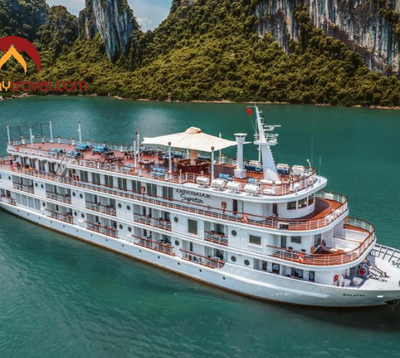
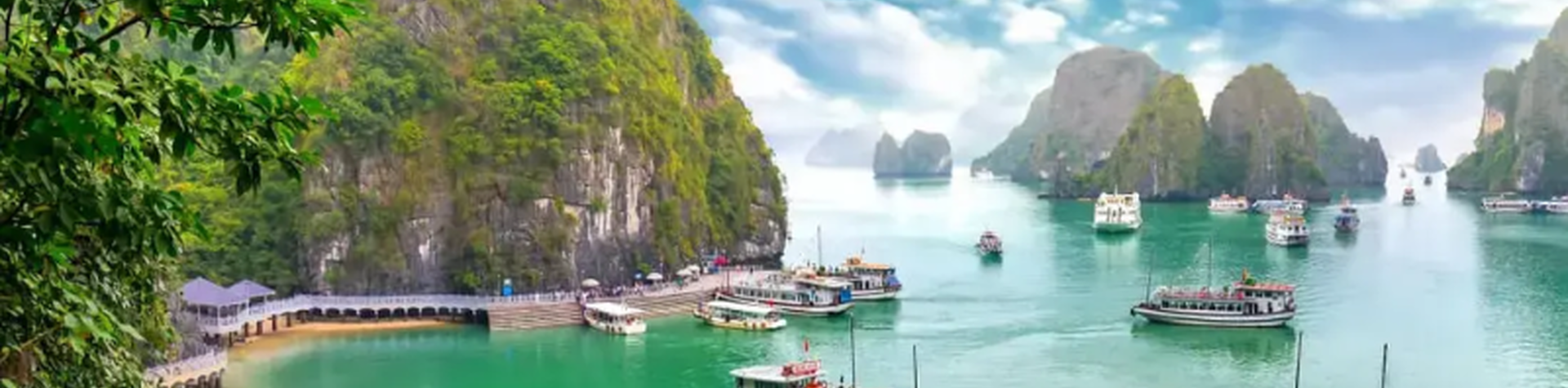
Ha Long Bay is most rewarding when experienced on an overnight cruise rather than a rushed day trip. Once the boats leave the busy harbor, limestone towers rise the water and the surrounding landscape becomes noticeably quieter.
A typical cruise may include kayaking, cave visits, swimming and an early morning activity on deck. The strongest moment often comes after sunset, when the day boats have departed and only scattered lights remain between the islands.
Ha Long Bay is suitable for first-time visitors, couples and families seeking a short break city travel. Allow two days and one night, or three days and two nights for a slower route.
.png)
See more: 12 Days Vietnam Itinerary: A Complete North-to-South Journey for First-Time Visitors
3. Ninh Binh – Best for Rivers, Karst Mountains and Rice Fields
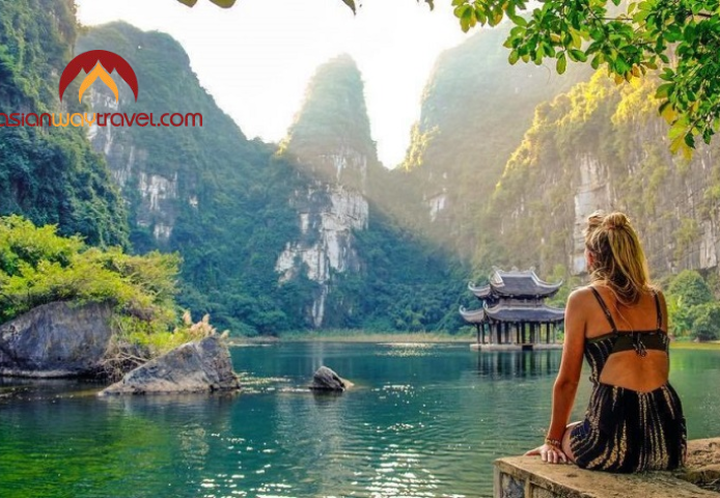
Ninh Binh offers limestone scenery without requiring a long mountain journey. Small boats pass beneath cliffs, through caves and alongside rice fields at Trang An or Tam Coc.
Unlike Ha Long Bay, the landscape here is agricultural. Farmers work near the waterways, bicycles move between villages and temple roofs appear below forested hills. A climb to the Hang Mua viewpoint provides a wider view across the river and surrounding fields.
Ninh Binh is ideal for travelers who want nature within easy reach of Hanoi. One day covers the main sights, but an overnight stay creates a quieter and less hurried experience.
.png)
4. Sapa – Best for Mountain Walks and Terraced Valleys
Sapa is known for terraced fields and valleys inhabited by several ethnic minority communities. The best experiences usually take place outside the busy town center, where walking routes connect villages, farmland and mountain slopes.
A guided trek can provide useful context about local agriculture, customs and changing village life. Travelers should choose community-based activities carefully and avoid treating local residents as staged attractions.
Sapa suits visitors who enjoy moderate trekking but still want established hotels and tourism services. Spend two or three days, allowing enough time for at least one full-day walk.
.png)
5. Ha Giang – Best for Remote Mountain Roads
Ha Giang offers a more demanding mountain experience than Sapa. The journey follows high passes, deep valleys and narrow roads that curve through some of northern Vietnam’s most dramatic terrain.
The scenery changes continuously. Stone villages appear between bare peaks, cornfields cover steep slopes and the Nho Que River cuts through the Tu San Canyon below Ma Pi Leng Pass.
This destination is best for adventurous travelers with at least three or four days available. Those without motorcycle experience should travel with a trained local driver rather than attempting the route independently.
.png)
6. Hue – Best for Imperial History and Central Vietnamese Food
Hue was the political and cultural center of Vietnam under the Nguyen Dynasty. Its main sites include the Imperial City, royal tombs and pagodas positioned along the Perfume River.
The city feels quieter than Hanoi or Ho Chi Minh City, making it easier to examine historic architecture without constant urban movement. Hue also has one of Vietnam’s most distinctive regional food traditions, including bun bo Hue, small steamed rice cakes and carefully prepared vegetarian dishes.
Spend one or two days in Hue. It is particularly suitable for travelers interested in royal history, architecture and regional cuisine.
.png)
7. Hoi An – Best for Heritage Streets and Local Activities
Hoi An preserves the structure of a former trading port, with wooden houses, assembly halls, temples and narrow streets near the Thu Bon River. Its architecture reflects both local traditions and centuries of international trade.
The old town is busiest in the evening, when lanterns illuminate the streets and boats move along the river. Early morning offers a different experience, with fewer visitors, opening markets and residents cycling through the historic center.
Beyond the old town, travelers can join a cooking class, visit vegetable gardens, explore nearby villages by bicycle or spend time at the beach. Two or three days provide a good balance between sightseeing and slower activities.
.png)
8. Da Nang – Best for Combining a City Stay with the Beach
Da Nang works well for travelers who want coastal downtime without leaving behind urban convenience. The city has a major airport, a long beachfront and easy connections to Hoi An and Hue.
My Khe Beach is close to the city center, while the Son Tra Peninsula offers forested roads, sea views and several coastal stops. Da Nang also provides access to central Vietnamese dishes such as mi Quang, seafood and banh xeo.
Choose Da Nang over Hoi An when you prefer larger hotels, broad beaches and a modern city environment. Two or three days are usually sufficient.
.png)
See more: Vietnam Tour
9. Phong Nha – Best for Caves and Outdoor Adventure
Phong Nha is the strongest choice in Vietnam for cave exploration. The area combines limestone mountains, underground rivers and forest landscapes within and around Phong Nha–Ke Bang National Park.
Travelers do not need advanced expedition skills to visit. Accessible options include boat trips Phong Nha Cave and guided visits to Paradise Cave. More demanding trekking and camping routes require advance booking, suitable equipment and good physical fitness.
Phong Nha suits nature lovers and active travelers who want more than standard sightseeing. Allow two or three days, depending on the cave experience selected.
.png)
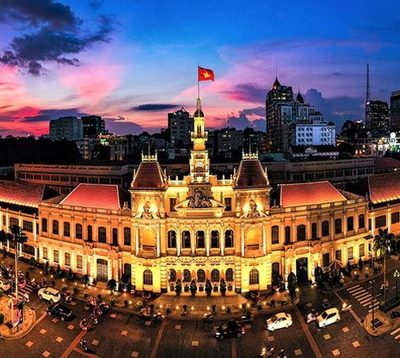
10. Ho Chi Minh City – Best for Modern Energy and Southern Food
Ho Chi Minh City presents a faster and more contemporary side of Vietnam. Motorbikes fill the major roads, food stalls remain active late the evening and modern towers stand beside colonial-era buildings.
The city also provides context for Vietnam’s recent history through sites such as the War Remnants Museum and Independence Palace. Local markets, neighborhood cafés and street food tours reveal another side beyond the central landmarks.
Spend two or three days here. The city is especially suitable for travelers interested in modern history, nightlife and southern Vietnamese food.
.png)
11. Mekong Delta – Best for Waterways and Rural Southern Life
The Mekong Delta should not be reduced to a brief floating-market visit. Its wider appeal lies in the network of canals, fruit orchards, riverside homes and small agricultural communities.
Travelers can move through narrow waterways by boat, cycle beneath coconut palms and stay overnight in a locally run guesthouse. Early mornings reveal the region at its most active, as boats cross the river and markets begin trading before the heat builds.
A two- or three-day trip offers more depth than a same-day excursion Ho Chi Minh City. The region suits visitors interested in farming, food and rural life.
.png)
12. Phu Quoc – Best for a Relaxed Beach Ending
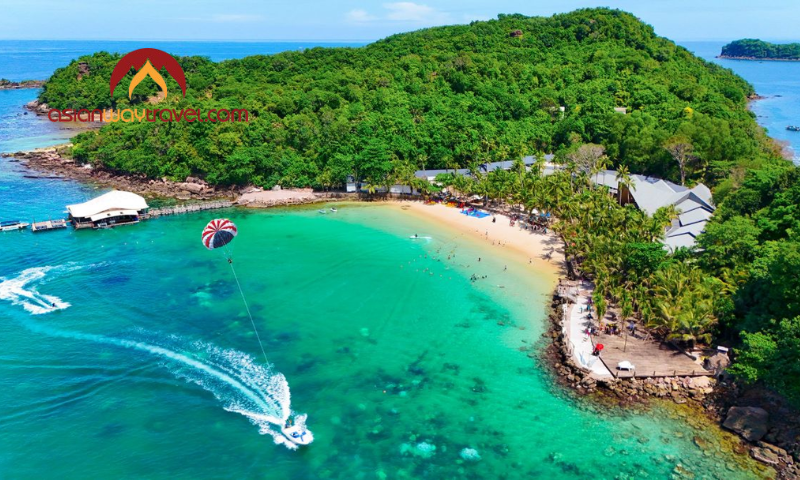
Phu Quoc is most useful as the final stop of a longer Vietnam itinerary. After several days of city tours and overland travel, the island provides time for swimming, seafood meals and slower mornings.
The island includes developed resort areas as well as quieter beaches farther the main town. Travelers can also take boat trips, visit local food producers or explore the coast by road.
Phu Quoc works well for couples, families and travelers who want several unstructured days. Plan three or four nights rather than adding it as a rushed one-night stop.
Best Time to Visit Different Parts of Vietnam
Vietnam’s long shape means weather conditions can vary considerably by region. There is no single month that guarantees ideal weather everywhere.
-
Northern Vietnam: Hanoi, Ninh Binh and Ha Long Bay are often comfortable during spring and autumn. Mountain conditions can become cold and misty during winter.
-
Central Vietnam: Hue, Da Nang and Hoi An usually have their most reliable beach weather during the drier months, while heavier rainfall is more common later in the year.
-
Southern Vietnam: Ho Chi Minh City and the Mekong Delta remain warm throughout the year. The dry season generally offers easier outdoor travel, although short tropical rain showers are manageable.
-
Phu Quoc: Beach conditions are usually most dependable during the drier part of the year. Sea conditions and rainfall should be checked before booking boat activities.
.png)
Plan Your First Vietnam Journey with Asianway Travel
The best places to go in Vietnam depend on your travel time, preferred pace and main interests. A focused route with four or five well-chosen destinations usually provides a better experience than trying to cover the entire country in one trip.
Asianway Travel combines more than 20 years of operating experience with local destination knowledge and on-the-ground support. Our specialists can adjust the route around your preferred hotels, activities, travel pace and arrival points. Explore our Vietnam tours or speak with our local team to design a practical first-time itinerary.