
15 Best Things to Do in Sapa for First-Time Visitors
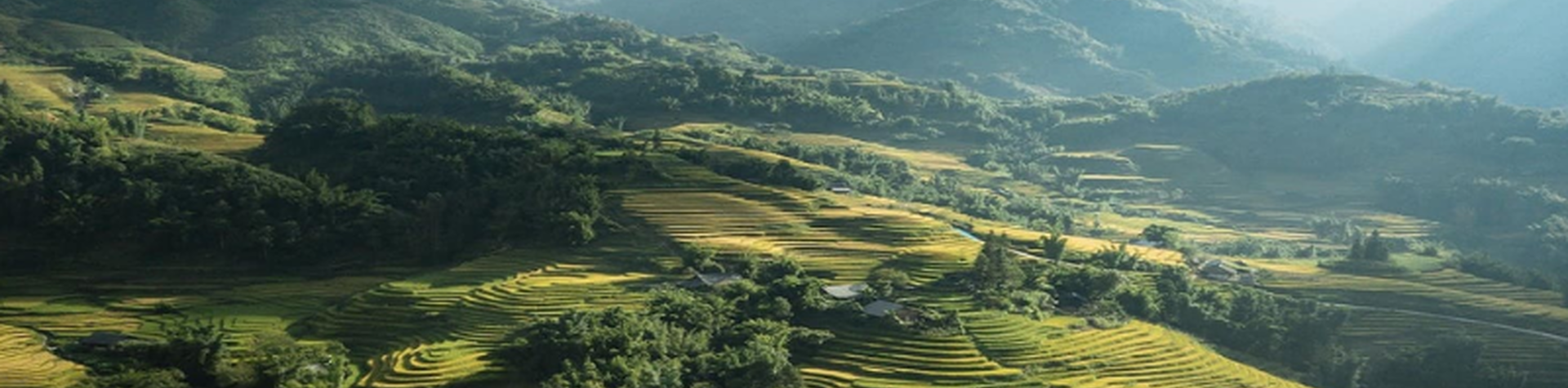
Sapa is one of northern Vietnam’s most distinctive mountain destinations, known for its rice terraces, high peaks and ethnic minority villages. However, the area offers more than scenic viewpoints. The best things to do in Sapa include trekking through working farmland, meeting local communities, crossing dramatic mountain passes and experiencing the changing weather of the Hoang Lien Range. This guide AsianWay Travel covers 15 worthwhile activities for first-time visitors, with practical suggestions on what to prioritize, how long to stay and when to travel.
15 Best Things to Do in Sapa
The most rewarding Sapa trip combines mountain scenery, village walks and local culture. The following experiences cover the area’s main highlights without forcing too many activities one schedule.
.png)
1. Reach the Summit of Fansipan
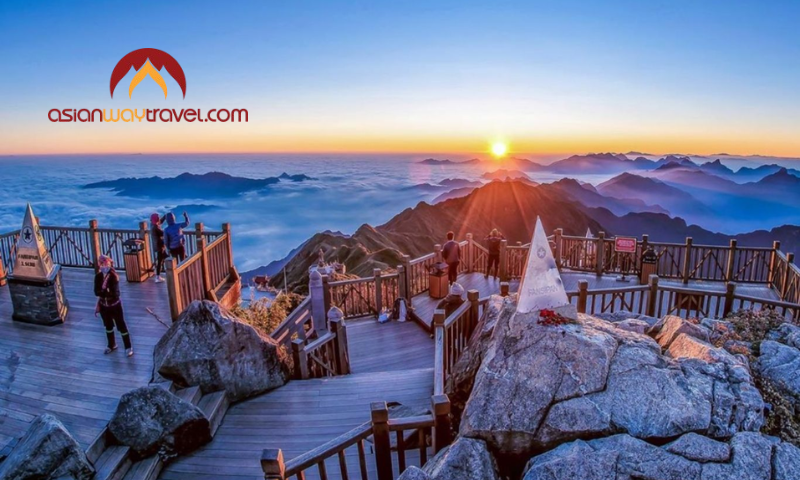
Fansipan rises 3,143 metres above sea level and is the highest mountain in Vietnam. Most visitors reach the summit using the cable car the Sun World Fansipan Legend complex.
The ride crosses deep valleys and forested slopes before reaching the upper station. there, visitors continue by funicular or climb several hundred steps past temples and Buddhist statues.
Clouds can cover the summit within minutes, so clear views are never guaranteed. Even in misty conditions, the sharp drop in temperature and the mountain atmosphere make the journey worthwhile.
Allow at least half a day and bring a warm layer, even when Sapa town feels mild.
.png)
2. Trek Through Muong Hoa Valley
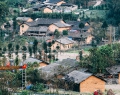
Muong Hoa Valley is the main trekking area south of Sapa town. Its landscape includes terraced fields, streams, bamboo paths and villages occupied by Hmong, Giay and Dao communities.
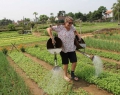
Walking is the best way to understand the scale of the terraces. Narrow trails follow hillsides where farmers work by hand and water buffalo move between fields.
Routes vary short village walks to full-day treks. After rain, the paths can become steep and slippery, so suitable footwear is important.
A local guide is useful on longer routes because many paths are unmarked and pass through agricultural land.
.png)
3. Walk Lao Chai to Ta Van Village
The Lao Chai–Ta Van route is one of the best trekking options for first-time visitors. It offers wide views across Muong Hoa Valley without requiring advanced hiking experience.
The trail passes Hmong homes in Lao Chai before continuing toward Ta Van, a village associated mainly with the Giay community. Along the way, visitors see rice fields, small bridges, family houses and local workshops.
The route usually takes three to five hours, depending on the starting point and weather. A vehicle can collect travellers in Ta Van, avoiding the need to walk back uphill to Sapa.
.png)
See more: Cambodge Cambodia: Complete Travel Guide for First-Time Visitors
4. Visit Cat Cat Village
Cat Cat Village lies close to Sapa town and is easy to reach by road or on foot. It is suitable for visitors with limited time or those who prefer a shorter walk.
The route descends through a developed tourism area with traditional-style houses, textile displays, water wheels and a waterfall. The return climb is steep, although electric transport is sometimes available.
Cat Cat is more commercial than villages deeper in Muong Hoa Valley. It should be viewed as an accessible cultural attraction rather than an untouched rural settlement.
Visit early in the day to avoid the busiest periods.
.png)
5. Explore Ta Phin Village
Ta Phin offers a quieter alternative to Cat Cat and is especially known for its Red Dao community. The village lies around 12 kilometres central Sapa.
Visitors can walk between houses, see embroidery work and learn about the medicinal plants used in traditional herbal baths. The surrounding landscape includes farmland, limestone formations and low mountain slopes.
Ta Phin is a good choice for travellers interested in local customs rather than long-distance trekking. A guided visit also helps explain the meaning of clothing patterns, family traditions and herbal practices.
.png)
6. Stay Overnight in a Local Homestay
A village homestay allows travellers to experience Sapa beyond daytime sightseeing. Popular areas include Ta Van, Lao Chai and villages farther the town centre.
Accommodation ranges simple family homes to comfortable lodges with private rooms. The value of the experience comes staying in the valley after day visitors leave.
In the evening, smoke rises kitchens as families prepare dinner. In the morning, roosters, motorbikes and farm activity begin before the mist lifts the fields.
Check the accommodation standard carefully, as the term homestay can describe both local family houses and commercial guesthouses.
.png)
7. Watch the Sunrise over the Rice Terraces
Early morning is one of the best times to see Sapa’s terraced landscape. Low clouds often sit inside the valleys while the upper slopes catch the first sunlight.
Muong Hoa Valley, Ta Van and Lao Chai provide suitable sunrise locations. Some hotels and mountain lodges also have terraces facing the fields.
Conditions depend heavily on the season. Clear mornings are more common during the drier months, while summer often brings fog and sudden rain.
Leave before sunrise and carry a light jacket. Temperatures can feel cold before the sun reaches the valley.
.png)
8. Drive Across O Quy Ho Pass
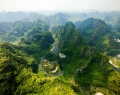
O Quy Ho is one of Vietnam’s longest and highest mountain passes. It connects Lao Cai Province with Lai Chau and crosses part of the Hoang Lien Range.
The road offers broad views of steep valleys, waterfalls and layered mountain ridges. On clear days, the landscape extends far beyond Sapa’s cultivated terraces.
The pass is suitable for travellers who want mountain scenery without a long trek. Cars with drivers are generally safer than self-driving motorbikes, especially when fog reduces visibility.
Sunset can be impressive, but the mountain road becomes colder and more difficult after dark.
.png)
9. Stop at Silver Waterfall and Love Waterfall
Silver Waterfall and Love Waterfall are both located near the road toward O Quy Ho Pass, but they offer different experiences.
Silver Waterfall can be seen the road and requires only a short climb. It is a convenient stop for visitors with limited mobility or time.
Love Waterfall requires a longer walk through forest inside the Hoang Lien area. The trail is more peaceful and provides a stronger nature experience.
Both waterfalls are more powerful during and shortly after the rainy season. In the dry months, water levels may be lower.
.png)
10. Hike in Hoang Lien National Park
Hoang Lien National Park protects mountain forest around Fansipan and the wider Hoang Lien Range. It is more suitable for serious nature walks than the village trails near Sapa.
The park contains subtropical forest, bamboo, mountain streams and high-altitude plants. Routes vary in length and difficulty, with some requiring permits, guides or overnight preparation.
This experience suits travellers who want to focus on forests and biodiversity rather than rice terraces. Weather can change quickly, and trails are often muddy after rain.
Do not attempt remote routes without local guidance.
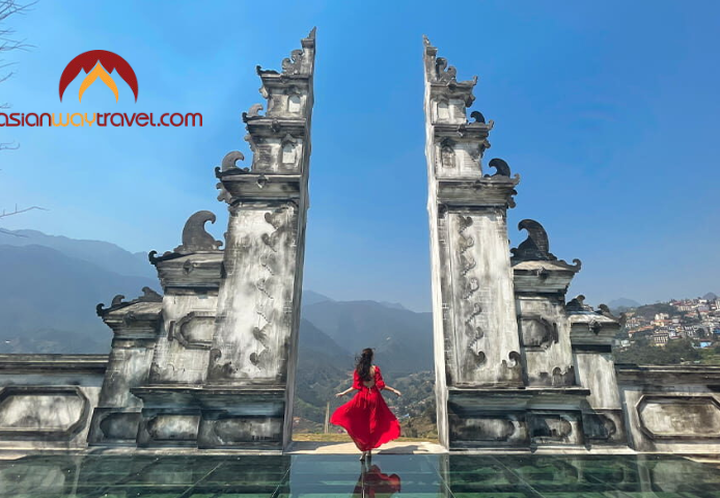
11. Visit Sapa Stone Church and Town Square
Sapa Stone Church stands near the central square and is one of the town’s most recognizable buildings. Constructed during the French colonial period, it remains a useful landmark in central Sapa.
The surrounding area becomes busiest in the evening. Local families gather in the square, vendors sell snacks and visitors move between restaurants, cafés and shops.
The church does not require much sightseeing time, but it works well as part of an evening walk. Weekend cultural activities may take place nearby, although schedules vary.
.png)
12. Browse Sapa Market
Sapa Market provides a practical look at the products traded in the mountain region. Depending on the section, visitors may find vegetables, dried foods, medicinal herbs, meat, clothing and household goods.
The most interesting areas are often those serving local residents rather than souvenir shoppers. Early morning usually provides more activity and a better view of daily trade.
When buying textiles, ask about the material and production method. Some items are handmade locally, while others are factory-produced.
Purchasing directly craftspeople gives more value to local households.
.png)
13. Try Sapa’s Mountain Food
Sapa’s cooler climate supports ingredients that are less common in lowland Vietnam. Local menus often include river fish, salmon, sturgeon, mountain vegetables and grilled meat.
Grilled skewers are widely available in the evening around central streets. Hot pots are practical during cold weather, especially after a day of trekking.
Thang co, a traditional Hmong dish usually prepared with horse meat and organs, has a strong flavour and may not suit every visitor. Travellers looking for an easier introduction can begin with grilled pork, local greens or salmon hot pot.
.png)
See more: Vietnam Tour
14. Experience a Red Dao Herbal Bath
Herbal bathing is associated with the Red Dao community and is commonly offered in Ta Phin and Sapa town. A mixture of forest plants is boiled before being added to a wooden tub.
The hot water is particularly welcome after trekking in cold or wet weather. The scent of bark, leaves and roots fills the small bathing room while heat helps relax tired muscles.
Choose a reputable provider that can explain the ingredients and bathing process. People with health conditions, low blood pressure or pregnancy should seek appropriate advice before using very hot baths.
.png)
15. Photograph Sapa during Rice Season
Sapa’s rice terraces change significantly throughout the farming cycle. Each stage creates a different landscape rather than one single best view.
During the water season, usually around late spring, flooded terraces reflect the sky. In summer, the slopes turn bright green. By September and early October, mature rice creates bands of gold across the valleys.
Harvest dates vary by altitude, village and weather. Travellers planning a photography trip should check local conditions shortly before arrival.
Muong Hoa Valley remains the most accessible area, while more distant districts may offer quieter scenes.
.png)
Which Sapa Experiences Should First-Time Visitors Prioritize?
Your choice should depend on fitness level, travel time and personal interests.
|
Travel style |
Recommended experiences |
Suggested time |
|
First-time visitor |
Fansipan, Muong Hoa Valley, Lao Chai–Ta Van |
2–3 days |
|
Light walking |
Fansipan, Cat Cat, O Quy Ho Pass |
2 days |
|
Cultural travel |
Ta Phin, village homestay, Sapa Market |
2–3 days |
|
Active travel |
Muong Hoa trek, Hoang Lien National Park |
3–4 days |
|
Photography |
Rice terraces, sunrise, O Quy Ho Pass |
2–3 days |
.png)
Best Time to Enjoy These Activities
Sapa can be visited throughout the year, but weather conditions affect trekking and mountain views.
|
Period |
Typical conditions |
Best for |
|
March–May |
Mild temperatures and clearer trails |
Trekking and outdoor activities |
|
June–August |
Green terraces, rain and high humidity |
Summer landscapes |
|
September–October |
Golden rice fields and cooler weather |
Photography and village walks |
|
November–February |
Cold, foggy and occasionally very clear |
Quiet travel and winter scenery |
.png)
Plan Your Sapa Journey with Asianway Travel
The best things to do in Sapa are not limited to famous viewpoints. A well-planned trip should combine Fansipan with a village trek, local food and enough time to experience the valleys beyond the town centre.
With more than 20 years of destination experience, Asianway Travel designs private and customizable Sapa journeys around each traveller’s schedule, fitness level and interests. Explore our Vietnam tours or contact our local travel specialists to plan a practical Sapa itinerary with suitable transport, accommodation and guided experiences.