
Best Food in Thailand: 20 Must-Try Thai Dishes for First-Time Travelers
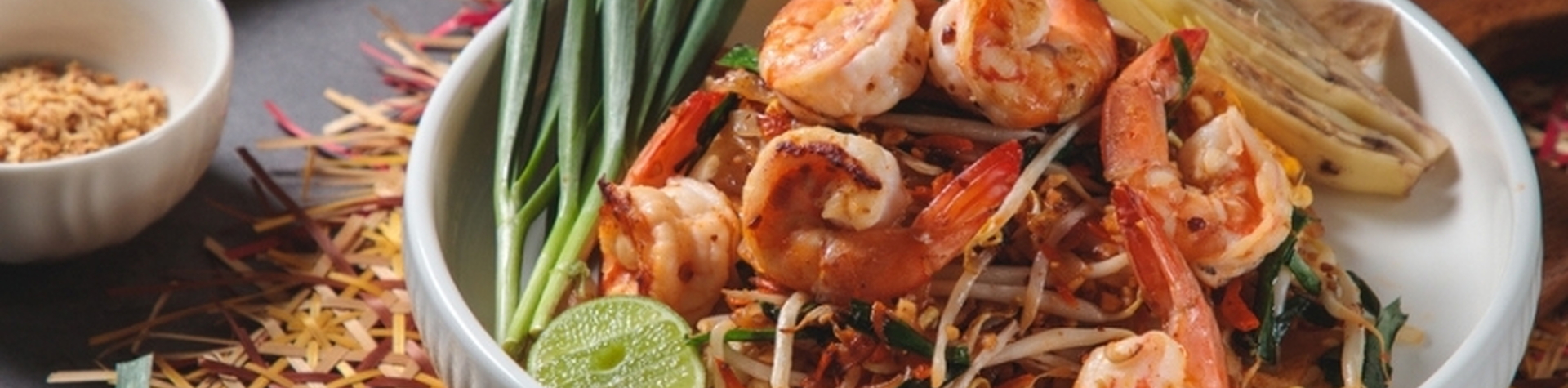
Thailand does not introduce itself quietly. It sizzles a wok, steams a bowl of Tom Yum, and drifts through night markets with the smell of grilled meat, coconut, lime, and chili. For many travelers, the best food in Thailand starts with Pad Thai, but it quickly becomes something bigger. It becomes a way to understand Bangkok’s rush, Chiang Mai’s slower rhythm, and Phuket’s coastal soul. This guide helps first-time visitors know what to eat, where to start, and how to turn every meal a worthy travel experience. Join Asianway Travel as we explore this in more detail in the article below.
Why Thai Food Is a Worthy Experience for First-Time Travelers
Thai food is not just famous because it tastes good. It is memorable because every dish carries contrast, movement, and a strong sense of place.
For first-time travelers, the charm of Thai cuisine often comes these simple but powerful details:
- Balanced flavors in every bite: Thai dishes often combine spicy, sour, salty, sweet, and creamy notes, creating flavors that feel exciting without being random.
- Street food with local rhythm: At night markets, you hear the clang of metal spatulas, smell charcoal smoke, and see locals ordering dishes without hesitation.
- Regional identity through food: Northern Thailand feels earthy and aromatic, while Southern Thailand tastes bolder, hotter, and more connected to seafood and coconut.
That is why the best food in Thailand should not be treated as a checklist. It works better as a food journey, where each dish opens another layer of local culture.
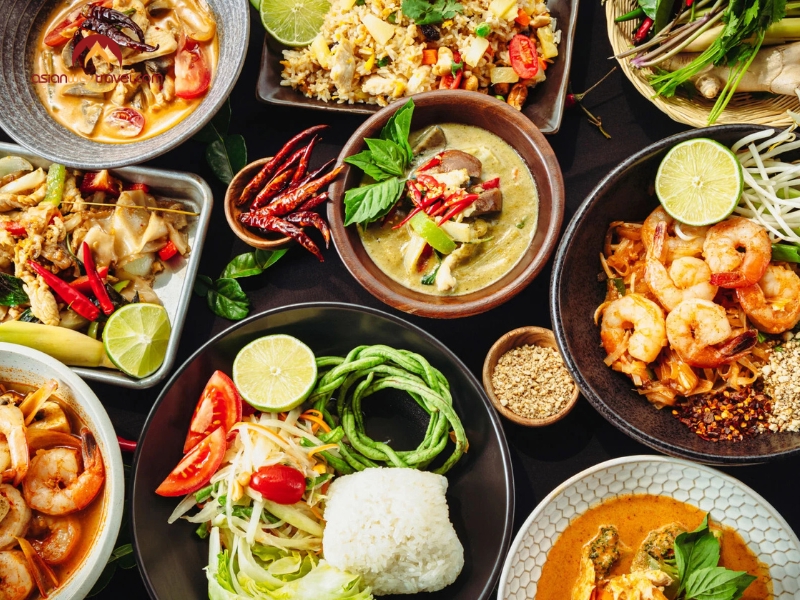
Best Food in Thailand: 20 Thai Dishes You Should Try First
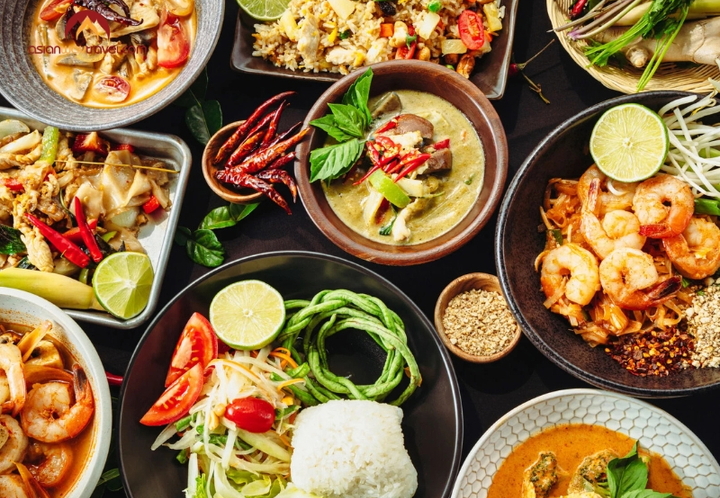
The easiest way to explore Thai food is not by chasing every famous dish at once. Start with iconic flavors, then move street food, regional dishes, and desserts.
|
Food Group |
Best For |
Recommended Dishes |
|
Iconic Thai dishes |
First-time visitors |
Pad Thai, Tom Yum Goong, Green Curry, Massaman Curry, Som Tam |
|
Street food |
Night markets and casual meals |
Moo Ping, Gai Tod, Boat Noodles, Thai Roti, Khanom Bueang |
|
Regional food |
Deeper cultural experience |
Khao Soi, Sai Oua, Southern Yellow Curry, Phuket Seafood, Gaeng Hang Lay |
|
Desserts and drinks |
Light ending after spicy meals |
Mango Sticky Rice, Tub Tim Grob, Thai Tea, Coconut Ice Cream, Khanom Krok |
Iconic Thai Dishes Every Traveler Should Know
If this is your first trip, start with the dishes that shaped Thailand’s global food reputation. They are popular for a reason, but they still feel better when eaten in the right setting.
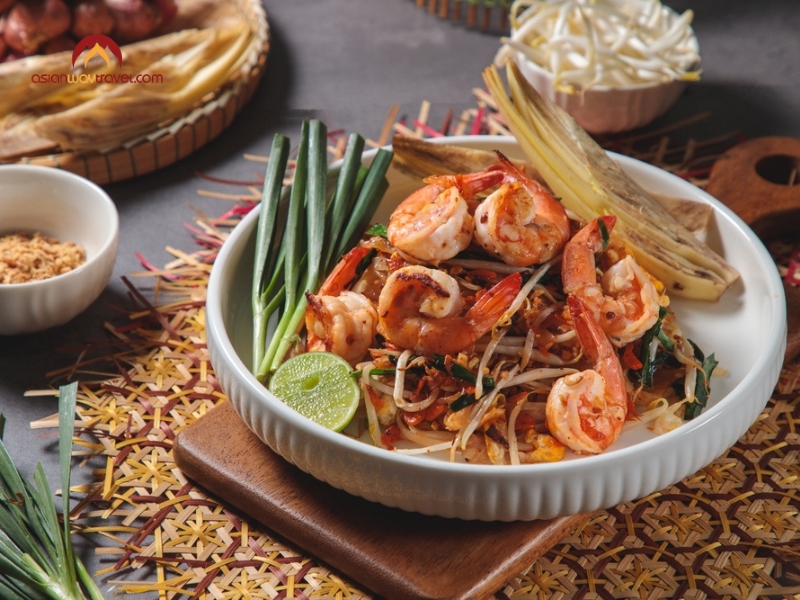
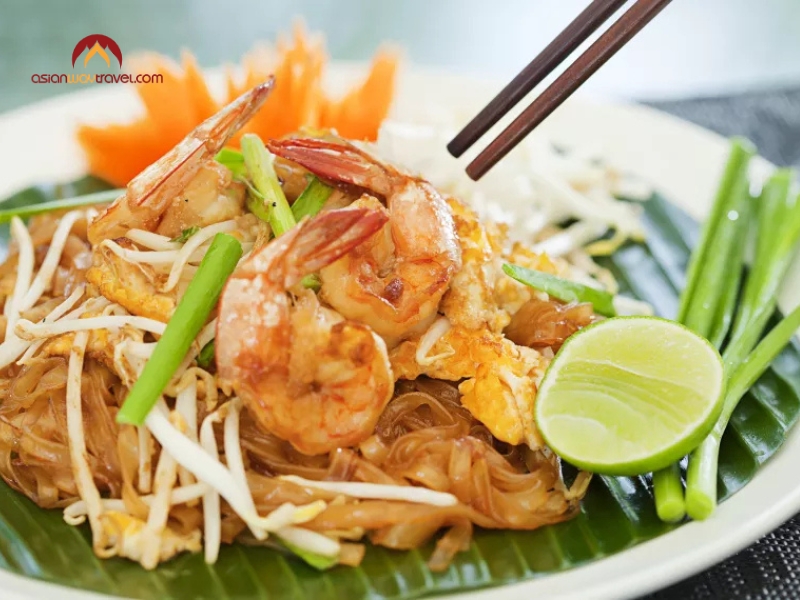
- Pad Thai: This stir-fried noodle dish is a friendly first step Thai food, with tamarind, egg, tofu, shrimp, peanuts, and lime creating a familiar but layered taste.
- Tom Yum Goong: This hot and sour shrimp soup smells of lemongrass, galangal, kaffir lime leaves, and chili, making it one of the most expressive Thai dishes.
- Green Curry: Creamy coconut milk softens the heat of green chilies, while Thai basil, vegetables, and chicken create a rich dish that works beautifully with rice.
- Massaman Curry: This mild, slightly sweet curry shows Persian and Indian influences, making it ideal for travelers who want Thai flavors without intense heat.
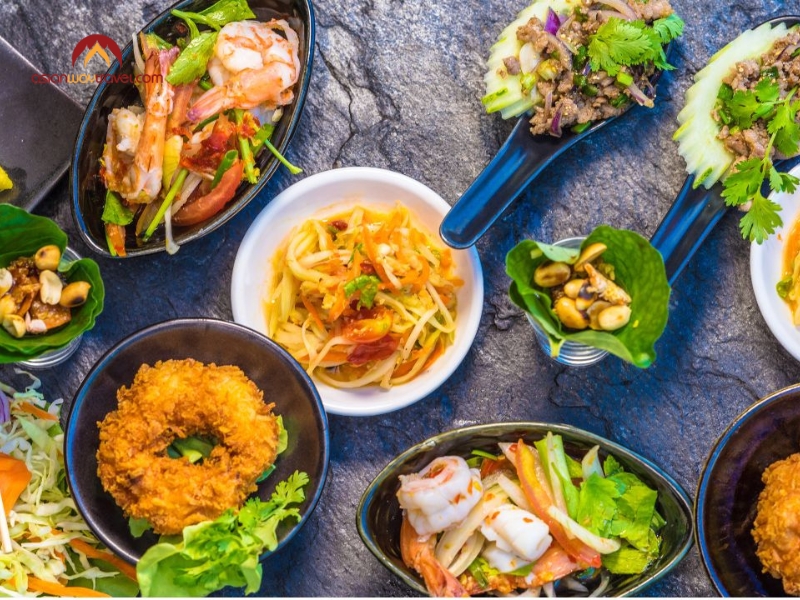
- Som Tam: Green papaya salad feels sharp, crunchy, and refreshing, with lime, fish sauce, chili, garlic, peanuts, and sometimes dried shrimp or salted crab.
These dishes give you the main flavor map of Thailand. Pad Thai is approachable, Tom Yum is aromatic, curry is comforting, and Som Tam delivers the bright punch Thai food is known for.
See more: Highlights of Thailand 10 Days
Best Thai Street Food to Try at Night Markets
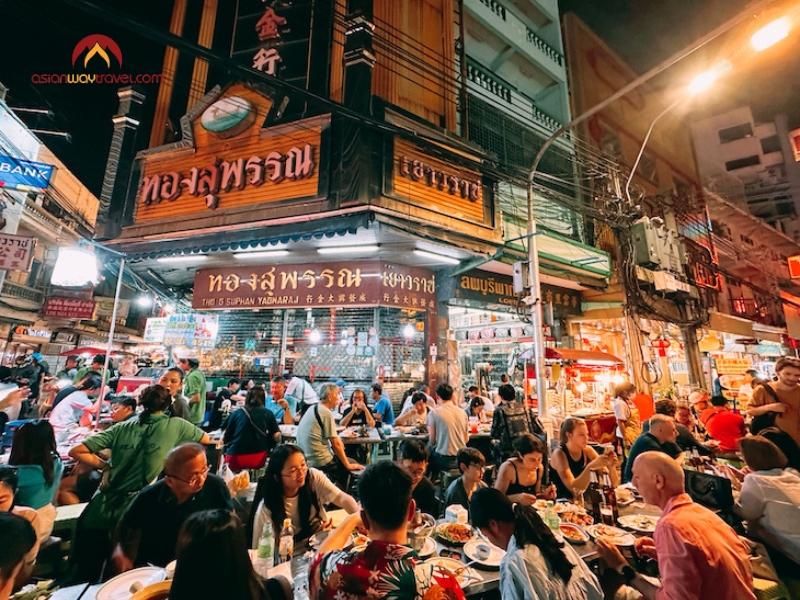
Thai street food is where the country becomes loud, fragrant, and wonderfully immediate. The best meals often come small stalls with plastic stools and long local queues.
- Moo Ping: These grilled pork skewers are smoky, slightly sweet, and easy to eat while walking through a night market with sticky rice in hand.
- Gai Tod: Thai fried chicken is crispy, juicy, and often served with garlic, herbs, and spicy dipping sauce that makes each bite more addictive.
- Boat Noodles: Traditionally served in small bowls, boat noodles are rich, dark, and savory, with herbs, meat, noodles, and a deeply seasoned broth.
- Thai Roti: Crispy outside and soft inside, Thai roti is often filled with banana, egg, or chocolate, then finished with condensed milk.
- Khanom Bueang: These tiny Thai crispy pancakes usually come with sweet or savory toppings, giving you a quick taste of old-style Thai snacks.
Street food is also where travelers feel the real pulse of Thailand. The smoke, the noise, the quick hand movements, and the smell of garlic hitting hot oil make dinner feel like a scene, not just a meal.
Regional Thai Food Worth Traveling For
The best food in Thailand changes as you move across the country. Bangkok gives variety, Chiang Mai gives depth, and the southern islands bring spice, seafood, and coconut-rich curries.
- Khao Soi in Chiang Mai: This Northern Thai coconut curry noodle soup combines soft noodles, crispy noodles, chicken, pickled mustard greens, shallots, and chili oil.
- Sai Oua in Northern Thailand: This grilled herbal sausage tastes smoky and fragrant, with lemongrass, kaffir lime leaves, chili, and galangal packed every slice.
- Southern Thai Yellow Curry: Stronger and spicier than many central Thai curries, this dish often uses turmeric, coconut milk, fish, or chicken.
- Phuket Seafood: In Phuket, fresh prawns, crab, squid, and fish taste best when grilled, stir-fried with garlic, or cooked in spicy local sauces.
- Gaeng Hang Lay: This Northern Thai pork curry is rich, slightly sweet, and aromatic, with ginger, tamarind, garlic, and slow-cooked meat.
Regional food makes Thailand feel less like one destination and more like several journeys in one country. That difference is exactly what makes a tailor-made Thailand itinerary more rewarding.
Sweet Thai Desserts and Drinks to End Your Meal
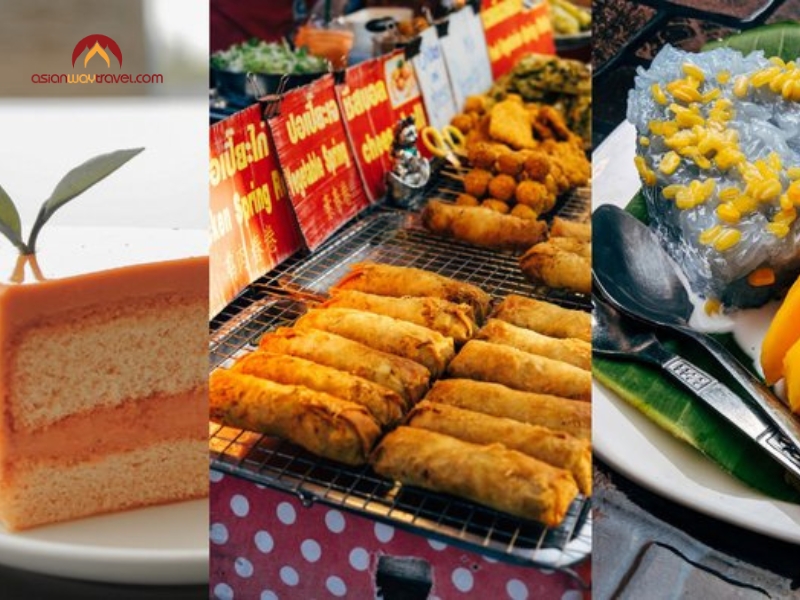
After chili, lime, and fish sauce, Thai desserts offer softness, sweetness, and comfort. Many use coconut, sticky rice, crushed ice, tropical fruit, and palm sugar.
- Mango Sticky Rice: Sweet mango, warm sticky rice, and salted coconut cream create Thailand’s most loved dessert for many international travelers.
- Tub Tim Grob: This chilled dessert combines crunchy water chestnuts, coconut milk, syrup, and crushed ice, making it perfect after spicy food.
- Thai Tea: Strong black tea, condensed milk, and ice create a creamy orange drink that feels refreshing in Thailand’s heat.
- Coconut Ice Cream: Often served in a coconut shell, this dessert can include peanuts, sticky rice, corn, or palm seeds.
- Khanom Krok: These small coconut pancakes are crispy at the edge, soft in the middle, and often served fresh a hot pan.
Thai desserts are not just sweet endings. They help balance the meal, especially after bold curries, spicy salads, and smoky grilled dishes the market.
Best Food in Thailand for Different Types of Travelers
Not every traveler wants the same food experience. Some want safe and mild dishes, while others want the strongest local flavors they can find.
Best Thai Food for Travelers Who Do Not Like Spicy Food
Travelers who avoid spicy food can still enjoy Thai cuisine without feeling limited. The key is choosing softer dishes and asking clearly for less chili when ordering.
Good first choices include Pad Thai, chicken satay, fried rice, mango sticky rice, coconut ice cream, Thai roti, and clear soup. These dishes still feel local, but they are usually easier for international visitors. When ordering, you can say “mai phet,” which means “not spicy,” or ask your guide to help confirm the spice level.
This approach matters because Thailand should not feel intimidating at the table. With the right dishes, even cautious eaters can enjoy the best food in Thailand without worrying about every bite.
Best Thai Food for Adventurous Eaters
Adventurous travelers should move beyond the safest dishes and explore stronger regional flavors. This is where Thai food becomes sharper, funkier, hotter, and more memorable.
Som Tam in Isan style, boat noodles, spicy seafood salad, Gaeng Tai Pla, fermented fish sauce, and herbal sausages are good places to start. These dishes can be intense because they use chili, herbs, fish sauce, shrimp paste, or fermented ingredients with confidence. The flavors may feel unfamiliar at first, but they often become the meal travelers remember most.
For this type of traveler, a local guide makes a real difference. They know which stalls are worth visiting, which dishes are too aggressive for beginners, and which local places still feel authentic.
Best Thai Food for Families and First-Time Visitors
Families often need food that feels safe, clean, flexible, and enjoyable for different ages. Thailand works well for this because many dishes can be shared.
Fried rice, grilled chicken, chicken satay, clear soup, spring rolls, omelet over rice, fruit smoothies, and coconut desserts are strong family choices. They are easy to order, rarely too spicy, and familiar enough for children or older travelers. Parents can still try curries, salads, and seafood while keeping simpler dishes on the table.
The best family meals in Thailand are usually shared meals. Everyone tastes a little, compares favorites, and slowly becomes more confident with local flavors.
See more: Discover Unusual Thailand in 8 Days
Where to Try the Best Food in Thailand
Food tastes better when it matches the place around it. A bowl of Khao Soi feels right in Chiang Mai, while grilled seafood belongs near the sea.
Here are the best destinations to connect food with travel experience:
- Bangkok: Choose Bangkok for street food, floating markets, Chinatown, night markets, and a wide range of famous Thai food in one city.
- Chiang Mai: Visit Chiang Mai for Khao Soi, Sai Oua, Northern Thai platters, cooking classes, and a slower food culture rooted in local markets.
- Phuket: Go to Phuket for seafood, Southern Thai curry, beachside dining, grilled prawns, spicy crab dishes, and fresh tropical fruit.
- Ayutthaya: Try Ayutthaya for boat noodles, river prawns, local markets, and simple dishes after exploring ancient temples.
For first-time visitors, Bangkok is the easiest starting point. Chiang Mai offers stronger cultural depth, while Phuket turns Thai food a coastal experience with salt air, seafood smoke, and sunset views.
Thai Food Tips for First-Time Travelers
A little preparation helps you enjoy Thai food with more confidence. You do not need to know every dish, but you should know how to order smartly.
Before eating your way through Thailand, keep these practical tips in mind:
- Ask for less spicy: Use “mai phet” when ordering, especially at local stalls where normal Thai spice levels can surprise first-time visitors.
- Carry small cash: Many street food vendors still prefer cash, especially in night markets, local markets, and smaller food streets.
- Choose busy stalls: A stall with many local customers usually means better turnover, fresher food, and stronger trust the neighborhood.
- Start gently on day one: Avoid eating too many spicy dishes immediately, especially if you are arriving after a long flight.
- Follow your local guide: A good guide helps you avoid tourist traps and find dishes that match your comfort level and curiosity.
These tips make the best food in Thailand easier to enjoy. They also help you spend less time guessing and more time tasting, exploring, and remembering.
Make Thai Food Part of Your Thailand Journey with Asianway Travel
The best meals in Thailand rarely happen by accident. They happen when you know which market to visit, which stall to trust, and which regional dish fits the place you are standing in.
Asianway Travel helps you experience Thailand beyond standard sightseeing. With a local experienced team, tailor-made Thailand tours, and more than 20 years of designing Southeast Asia journeys, we connect food with culture, timing, and real local context. Bangkok street food to Chiang Mai cooking classes and Phuket seafood dinners, your meals become part of the story.
Plan your Thailand journey with Asianway Travel today. Taste the right dishes, meet the right local flavors, and turn your trip a food experience worth remembering.