
Best Month to Visit Laos: November and Other Good Times to Travel
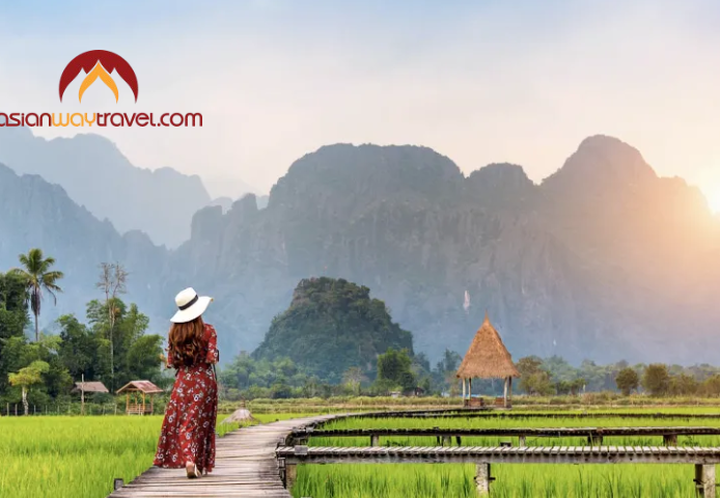
November is generally the best month to visit Laos because it combines dry weather, comfortable temperatures and green landscapes by the rainy season. However, the ideal time still depends on what you want the trip. December to February offers cooler conditions, late October brings lush scenery with fewer visitors, while the wet season can suit travelers who prioritize lower costs. This guide AsianWay Travel compares Laos throughout the year, helping you choose the right month for city sightseeing, trekking, waterfalls, festivals or a quieter journey.
What Is the Best Month to Visit Laos?
November is the best all-round month for most travelers. It marks the beginning of the cooler dry season across much of the country, making transport, sightseeing and outdoor activities easier to plan.
-
Comfortable travel conditions: Humidity begins to fall, rainfall becomes less frequent and daytime temperatures are generally suitable for walking, cycling and temple visits.
-
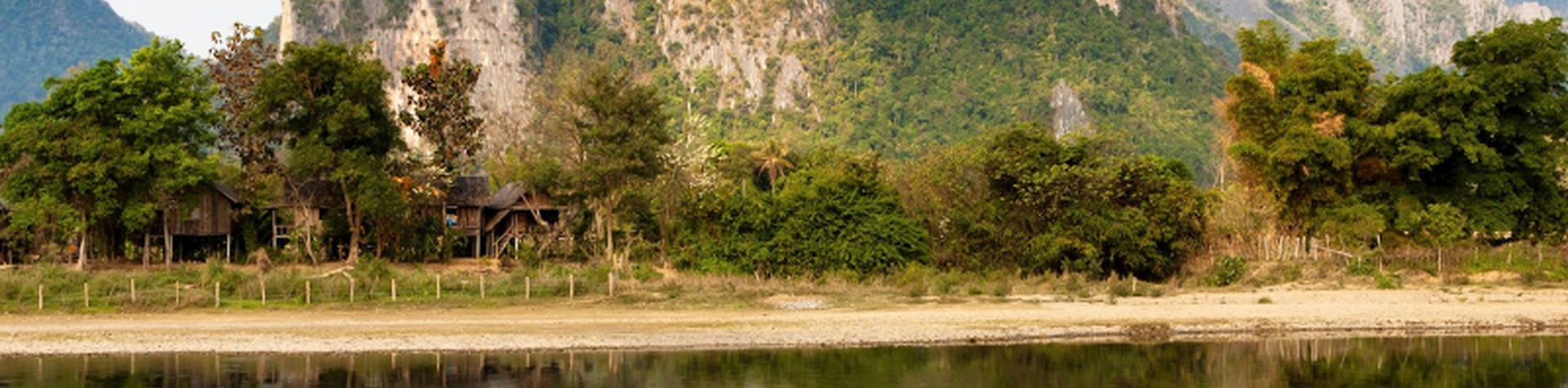
Green landscapes after the rains: Hills, rice fields and forests usually retain their color the wet season. Waterfalls also tend to have a stronger flow than they do later in the dry season.
-
More reliable outdoor activities: Reduced rainfall makes trekking, kayaking, cave exploration and river journeys less likely to face weather-related disruption.
-
A balanced time to travel: November avoids the intense heat of March and April while offering more predictable conditions than October or the wet-season months.
November is not the only good option. December through February can be even cooler, while October may be better for travelers who value fewer crowds and greener scenery.
.png)
Laos Weather by Month and Season
Laos has a tropical climate, but temperatures and rainfall vary by region and elevation. Northern mountain areas can become noticeably cool, while Vientiane, Pakse and the Mekong lowlands remain warmer.
November to February: Best for Cool and Dry Weather
The period November to February is widely considered the best time to visit Laos. Rainfall is limited, humidity is lower and most major destinations are easy to explore.
-
November: Offers the strongest balance between dry conditions, green scenery and manageable visitor numbers. It suits first-time travelers who want to combine cities, nature and river experiences.
-
December: Brings cooler mornings and clear conditions in many regions. Demand increases around Christmas and New Year, particularly in Luang Prabang.
-
January: Often provides some of the coolest weather of the year. Northern towns and mountain areas can feel cold before sunrise and after dark.
-
February: Remains mainly dry but gradually becomes warmer. It is a good month for sightseeing before the hotter season begins.
This period works especially well for trekking, cycling and slow-boat journeys. Trails are generally less muddy, and long days outside are more comfortable than during the humid wet season.
.png)
See more: Things to Do in Phu Quoc: 15 Experiences That Make Vietnam’s Island Worth the Trip
March to April: Dry but Much Hotter
March and April remain mostly dry, but temperatures increase significantly. By April, midday sightseeing can become physically demanding, particularly in Vientiane and southern Laos.
-
Weather conditions: Days are sunny and hot, with limited rainfall. March is usually more manageable, while April can bring the highest temperatures of the year.
-
Suitable activities: Temple visits, markets and city walks are best scheduled early in the morning. Afternoons can be reserved for shaded cafés, hotel pools or slower riverfront activities.
-
Travel advantage: Roads are generally accessible, and outdoor plans are less likely to be interrupted by rain.
-
Main trade-off: Trekking, cycling and long walking tours become less comfortable as temperatures rise.
April also brings Pi Mai Lao, the Lao New Year. Celebrations traditionally take place April 14 to 16, although activities can extend beyond the official dates in destinations such as Luang Prabang.
Water is poured over Buddha images and used in lively street celebrations. Temples fill with local families, music carries through neighborhoods and groups gather along the streets with buckets and hoses. The festival provides a strong cultural reason to visit, but travelers should expect heat, crowds and limited availability.
.png)
Late October: Green Scenery with Fewer Visitors
Late October is a useful alternative to November. The rainy season is ending, vegetation is dense and waterfalls are often impressive.
-
Landscape: Mountains, riverbanks and rice-growing areas remain intensely green after months of rain.
-
Visitor levels: Major destinations are usually quieter than they are during December and January.
-
Photography conditions: Mist around mountain valleys and full waterfalls can create more dramatic scenery than during the dry months.
-
Weather risk: Short showers may continue, and rural roads can still be affected by recent rainfall.
Late October works well for travelers with flexible plans. It is less suitable for those who need guaranteed dry conditions or want to follow a tightly scheduled trekking route.
For Luang Prabang, the transition between October and November can be particularly appealing. Water rushes through the terraces of Kuang Si Waterfall, while surrounding forests remain thick and green.
.png)
May to September: Wet Season and Lower Travel Costs
May to September, Laos experiences hotter, more humid weather and regular rainfall. Rain does not always continue throughout the day, but heavy downpours can affect roads, outdoor activities and river conditions.
-
May and June: The wet season begins, although rain may still be intermittent. These months can provide lower prices without the heaviest rainfall of the season.
-
July: Vegetation becomes greener, but humidity rises and outdoor plans require more flexibility.
-
August and September: Rainfall is generally heavier, increasing the risk of flooding, muddy trails and transport disruption in rural areas.
The wet season has clear advantages. Visitor numbers are lower, accommodation may be more affordable and the countryside becomes vivid. Clouds move across limestone mountains, rice fields fill with water and waterfalls regain their strongest flow.
However, travelers should avoid overly ambitious itineraries. Road journeys may take longer than expected, some trekking routes can become slippery and rural transport may change according to local conditions.
.png)
See more: Lao Tour
Best Time to Visit Laos by Travel Priority
The best travel month depends on whether you prioritize weather, scenery, festivals or cost.
|
Travel priority |
Recommended period |
What to expect |
|
Best overall conditions |
November |
Dry weather, green scenery and comfortable temperatures |
|
Coolest weather |
December–February |
Pleasant days and cooler mornings, especially in northern Laos |
|
Green landscapes |
Late October–November |
Full waterfalls, green hills and occasional remaining rain |
|
Lower travel costs |
May–September |
Fewer visitors, higher humidity and more weather disruption |
|
Lao New Year |
Mid-April |
Major celebrations combined with very hot weather |
|
Trekking and cycling |
November–February |
Drier paths and more comfortable daytime conditions |
|
Photography |
October–November |
Green countryside, flowing waterfalls and atmospheric mountain views |
Travelers should also consider elevation. Places such as Phonsavan, Nong Khiaw and mountain areas around northern Laos can become cold during the dry season, even when Vientiane remains warm.
.png)
Best Time to Visit Different Destinations in Laos
Weather affects each region differently. A month that works for Luang Prabang may feel warmer in the southern provinces.
-
Luang Prabang: Visit between November and February for comfortable walking conditions, temple visits and trips to Kuang Si Waterfall. October and November are particularly good when the surrounding forest remains green.
-
Vientiane: The capital is easiest to explore during the cooler dry months. Walking between temples, cafés, museums and the Mekong riverfront becomes less tiring than during April or the humid wet season.
-
Vang Vieng: November to February suits kayaking, cave visits, cycling and mountain viewpoints. The limestone peaks remain visible under clearer skies, while trails are usually easier to follow.
-
Nong Khiaw and northern Laos: Dry-season conditions support trekking and village visits. Travelers should carry a jacket because mornings and evenings may be considerably cooler than in the Mekong lowlands.
-
Pakse and the Bolaven Plateau: November to February offers more manageable weather for waterfalls, coffee plantations and road trips. The plateau can feel cooler than Pakse because of its elevation.
-
Si Phan Don: The 4,000 Islands are popular during the dry season, when travelers can cycle between villages, relax beside the Mekong and take local boat trips. Late dry-season temperatures can become hot.
A well-planned Laos itinerary should account for regional differences rather than assuming that conditions are identical across the country.
.png)
Practical Tips for Choosing Your Travel Month
A suitable month makes travel easier, but careful planning still matters because Laos has long overland distances and limited capacity in some destinations.
-
Book early November to February: Reserve popular hotels, domestic flights, train tickets and private guides in advance, especially around Christmas and New Year.
-
Pack for different temperatures: Bring lightweight clothing for warm afternoons and a jacket for northern Laos, mountain areas and early-morning departures.
-
Plan around the hottest hours: During March and April, schedule temples, markets and walking tours in the morning. Avoid placing demanding activities in the middle of the day.
-
Keep wet-season itineraries flexible: Add extra time between destinations and avoid booking too many fixed activities during August and September.
-
Check festival dates before confirming plans: Some cultural and Buddhist events follow a lunar calendar, so dates can vary year to year.
-
Choose fewer destinations for shorter trips: A seven-day trip is better focused on Luang Prabang, Vang Vieng and Vientiane than on trying to cover northern and southern Laos together.
Is November the Best Month to Visit Laos?
For most travelers, November is the best month to visit Laos. The rainy season has largely ended, temperatures are more comfortable and the countryside remains greener than it is later in the dry season. December to February is equally suitable for cooler weather, although demand and prices may be higher. Late October works well for waterfalls and quiet landscapes, while the wet season suits flexible travelers seeking fewer visitors.
Planning a Laos trip around the right weather, route and travel pace? With more than 20 years of regional experience, Asianway Travel can create a private itinerary covering Luang Prabang, Vang Vieng, Vientiane or southern Laos. Contact our local travel specialists to design a journey based on your preferred month, interests and available time.