
What to Know Before Visiting Hanoi: A First-Timer’s Guide to Vietnam’s Most Atmospheric City
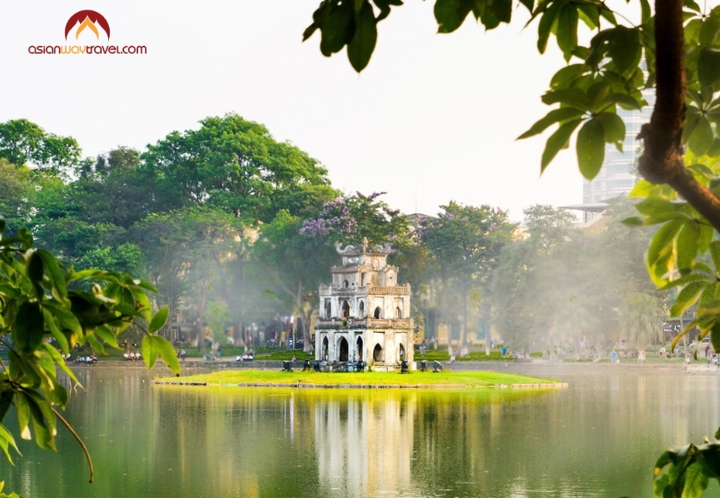
Hanoi does not whisper when you arrive. It greets you with motorbike horns, sizzling street food, old yellow walls, tangled wires, lakeside mornings, and the smell of strong coffee drifting narrow alleys. At first, the city may feel too loud, too fast, too much. Then, slowly, it begins to make sense. If you are wondering what to know before visiting Hanoi, the answer is not only about visa rules, traffic, money, or food. It is about learning how to move with the city instead of against it. Join Asianway Travel as we explore this in more detail in the article below.
Essential Travel Things to Know Before Visiting Hanoi
Before enjoying Hanoi’s old streets and local rhythm, travelers should understand a few practical basics. These details help your first days feel smoother and less stressful.
Know the Vietnam Visa Rules Before You Fly
Visa rules should be one of the first things you check before visiting Hanoi. Depending on your nationality, length of stay, and travel route, you may need a Vietnam e-visa, visa exemption, or another entry arrangement.
Many travelers now apply online before arrival, but you should always use official government channels or a trusted travel advisor. Avoid random third-party websites that charge unclear service fees or provide outdated information. This is especially important if your Vietnam trip includes multiple entries, such as flying Hanoi, leaving for Cambodia or Laos, then returning to Vietnam.

A simple mistake between single-entry and multiple-entry visas can disrupt your itinerary. Before booking flights, check your passport validity, arrival airport, length of stay, and whether your travel dates match your visa approval.
|
Travel item |
What to check before Hanoi |
|
Passport |
Usually valid for at least 6 months |
|
Visa type |
Exemption, e-visa, single or multiple entry |
|
Entry point |
Hanoi airport or another Vietnam border |
|
Stay length |
Match your visa validity with your full itinerary |
|
Application site |
Use official or trusted channels |
Understand Vietnamese Dong, Cash and Card Payments
Vietnam’s currency is the Vietnamese Dong, usually written as VND. First-time visitors often find the number of zeros confusing, especially when paying for taxis, street food, or market items.
Cash is still useful in Hanoi. Hotels, larger restaurants, and modern cafés often accept cards, but small vendors, street food stalls, local markets, and older shops usually prefer cash. You should carry smaller notes for quick purchases like bottled water, snacks, coffee, or short rides.
ATMs are common in central Hanoi, especially around the Old Quarter, Hoan Kiem, and shopping streets. Still, withdraw bank-linked machines when possible, and keep your cash divided in different places. When shopping in markets, check the notes carefully because some denominations have similar colors.
Don’t Drink Tap Water in Hanoi
One important thing to know before visiting Hanoi is that you should not drink tap water directly. Use bottled water, filtered water your hotel, or refill stations when available.
This does not mean you should avoid local food. Hanoi is one of the best food cities in Asia, and eating locally is part of the experience. The key is to choose busy food stalls with high turnover, look for freshly cooked dishes, and trust places where locals are eating.
For sensitive stomachs, start slowly. Try cooked dishes before raw herbs, drink bottled water, and avoid overloading your first day with too many new foods. A little caution helps you enjoy Hanoi’s food scene with more confidence.
See more: Hanoi City Tour Full Day Private
Traffic, Roads and Getting Around in Hanoi
Traffic is often the biggest shock for first-time visitors. Hanoi’s roads may look chaotic, but they follow a rhythm that becomes easier to understand.
The Traffic in Hanoi Is Crazy, But It Has Its Own Logic
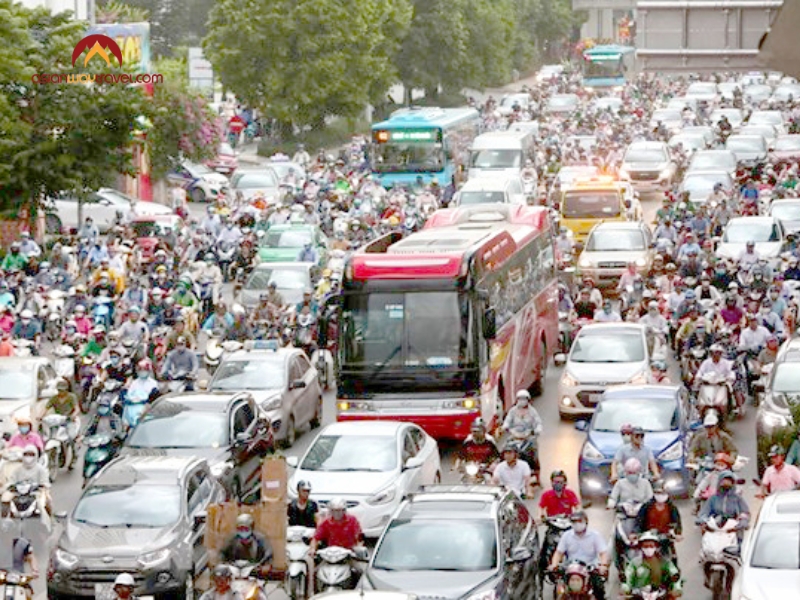
The first thing you notice in Hanoi may be the motorbikes. They move through every street, lane, and alley, carrying people, flowers, boxes, pets, furniture, and sometimes things you would never expect to see on two wheels.
At first, the traffic looks lawless. Lanes feel flexible. Horns are constant. Vehicles come different angles. But Hanoi traffic works more like a moving current than a strict grid. Drivers expect gradual movement, eye contact, and predictable behavior.
Do not panic when you hear horns. In many cases, a horn is not anger. It is simply a signal meaning, “I am here.” Once you understand that, the city feels less aggressive and more alive.
Crossing the Road in Hanoi Is Terrifying at First
Crossing the road in Hanoi can feel like stepping a river of motorbikes. The worst thing you can do is rush, stop suddenly, or change direction without warning.
The safest approach is simple: look carefully, start slowly, walk at a steady pace, and let drivers move around you. If you are unsure, cross beside a local person or wait for a calmer gap. Do not stare at your phone while crossing, and avoid sudden movements.
After a few crossings, you may realize that Hanoi traffic is less about speed and more about flow. It still requires attention, but it becomes less frightening when you stop fighting the rhythm.
Getting Around Hanoi Is Easy With the Right Transport Choices
Getting around Hanoi is easier than it first appears. If you stay in or near the Old Quarter, many attractions, cafés, restaurants, and markets are within walking distance.
However, walking in Hanoi is not always smooth. Sidewalks may be blocked by parked motorbikes, plastic stools, cooking stations, or shop displays. Wear comfortable shoes and stay alert, especially near street corners.
For longer distances, ride-hailing apps such as Grab are useful. Reputable taxis, private cars, and local guides also work well for families, older travelers, or anyone who wants a calmer experience. For day trips to Ninh Binh, Halong Bay, or craft villages, booking organized transport saves time and stress.
Street Life Is the Real Soul of Hanoi
Many cities have attractions. Hanoi has atmosphere. Its most memorable moments often happen outside museums, in ordinary streets and small daily rituals.
Life in Hanoi Happens on the Street
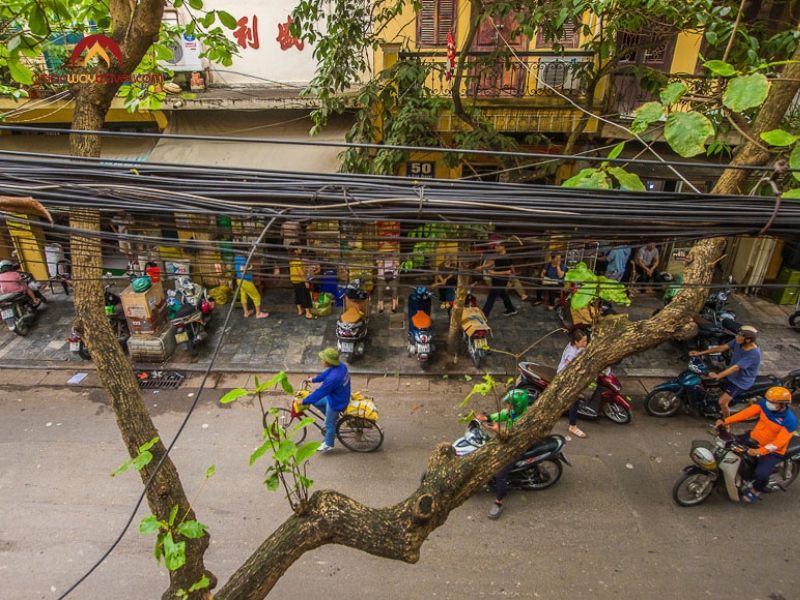
In Hanoi, the street is not just a place to move through. It is where people eat breakfast, drink tea, repair motorbikes, sell fruit, cut hair, grill pork, play chess, and talk with neighbors.
This street life gives Hanoi its texture. You hear bowls clinking at a pho stall. You smell charcoal a bun cha shop before you see it. You watch women carrying baskets of flowers through the morning traffic. These small scenes make the city feel human and layered.
Travelers who only rush landmark to landmark may miss the best part of Hanoi. Leave time to wander slowly, sit low on a plastic stool, and observe how the city works.
You Can’t Always Walk on the Sidewalk
One funny but useful thing to know before visiting Hanoi is that sidewalks are not always for walking. They may become motorbike parking, outdoor dining areas, small kitchens, or temporary shops.
This can frustrate visitors at first. But it also shows how public space is used in a dense city where life spills outward. The sidewalk is not empty space. It is part of the city’s economy and social life.
Walk patiently, step around obstacles, and avoid expecting every route to be neat. If you enjoy street photography, this is where Hanoi becomes visually rich. Just remember to respect people’s privacy and avoid blocking businesses.
Everything Can Be Carried on a Motorbike
Hanoi’s motorbikes are not only transport. They are delivery trucks, family vehicles, flower carts, food stalls, and moving storage units.
You may see a motorbike carrying stacks of egg trays, baskets of herbs, giant bags of rice, mirrors, ladders, or a tower of cardboard boxes. Sometimes, the scene looks impossible. Yet the rider moves through traffic with calm precision.
These moments are part of Hanoi’s daily creativity. They show how flexible and resourceful local life can be. For travelers, they also make the city unforgettable. Hanoi is full of small surprises, and many of them pass by on two wheels.
See more: Hanoi Cultural & Culinary Experience Day Tour Private
Hanoi Food and Drink Are Worth the Trip Alone
If you travel for food, Hanoi deserves serious attention. Its cuisine is precise, local, fragrant, and deeply connected to street life.
The Food in Hanoi Is Amazing, Especially on the Street
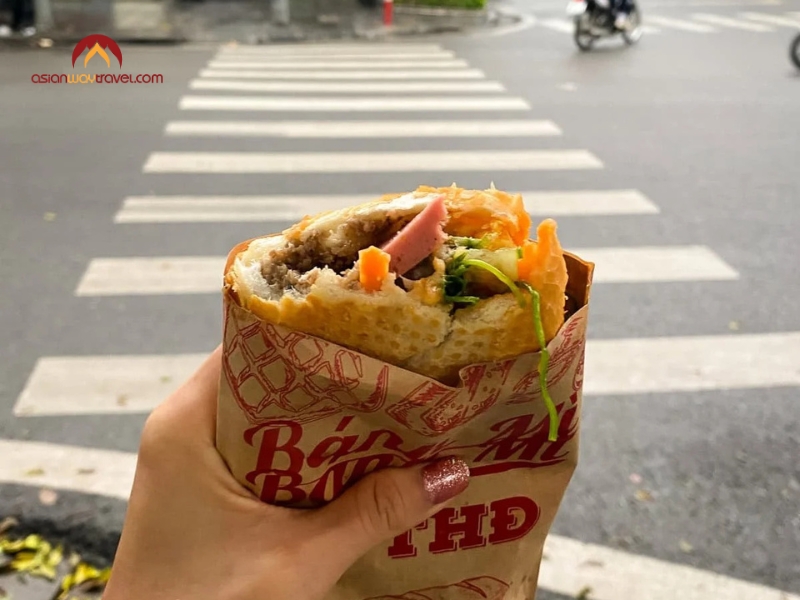
Hanoi food is one of the strongest reasons to visit the city. Pho, bun cha, banh cuon, cha ca, bun rieu, xoi, and fresh spring rolls all tell different stories about northern Vietnamese cooking.
The best meals are not always found in elegant restaurants. Often, they are served in narrow shops with metal tables, plastic stools, and a short menu focused on one dish. A busy stall is usually a good sign because ingredients move quickly and the kitchen has a clear rhythm.
For first-time visitors, a local-led food tour can be very helpful. A good guide does more than order dishes. They explain herbs, sauces, dining customs, family recipes, and why certain streets became famous for certain foods.
Egg Coffee Is Surprisingly Delicious
Egg coffee may sound unusual before you try it, but in Hanoi it makes perfect sense. Strong Vietnamese coffee meets a creamy whipped egg layer, creating a drink that feels somewhere between dessert and espresso.
The first sip is often a surprise. It is rich, sweet, bitter, and smooth at the same time. The best way to enjoy it is slowly, preferably in a small café hidden above an old staircase or inside a quiet alley near the Old Quarter.
Egg coffee is also a good example of Hanoi’s personality. It is inventive but not flashy. Humble ingredients become something memorable through local technique and patience.
Local Beer Is Cheap, But Drink Smart
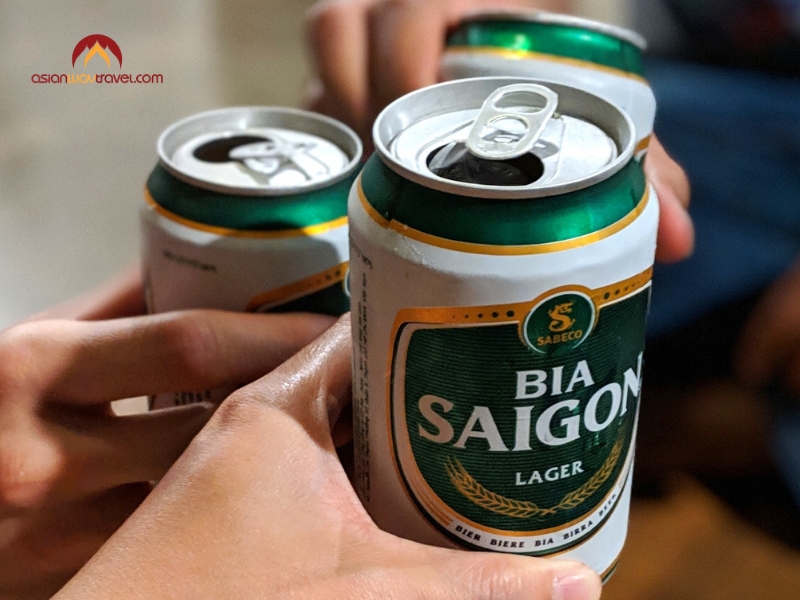
Bia hoi is Hanoi’s famous fresh beer, often served on street corners in simple glasses. It is affordable, social, and closely tied to local evening culture.
For many travelers, sitting at a bia hoi corner in the Old Quarter is less about drinking and more about watching the city shift day to night. Vendors call out orders, friends gather after work, tourists compare stories, and scooters keep passing inches away.
Drink smart, especially in busy nightlife areas. Keep your phone and wallet secure, avoid drinking too much in unfamiliar places, and return to your hotel by trusted transport. Hanoi is enjoyable when you stay aware.
Final Tips Before Your First Trip to Hanoi
The most important thing to know before visiting Hanoi is that the city becomes better when you stop trying to control every moment. Leave space in your schedule. Book a local-led experience. Stay near the Old Quarter if this is your first visit. Balance sightseeing with slow meals, coffee breaks, and simple wandering.
Hanoi may feel overwhelming at first, but that intensity is part of its character. It is not a polished resort escape. It is a living capital with history, flavor, noise, memory, and emotion on every street corner.
Let Asianway Travel design your Hanoi experience with local insight, smart pacing, and a tailor-made itinerary shaped around the way you want to travel. With more than 20 years of experience in Vietnam, our local team helps turn first-time confusion a journey you will actually remember.