

Vietnam Food Tour: A Complete Guide to Eating Your Way Across Vietnam
A Vietnam food tour offers more than a list of famous dishes. It takes you morning markets, narrow residential alleys, family-run kitchens and small street stalls where local people eat every day. Each region has its own ingredients, cooking methods and dining habits, so food becomes a practical way to understand the country. This guide AsianWay Travel explains where to join a food tour, what dishes to try, which tour format suits your travel style and how to choose a reliable local experience.
What Makes a Vietnam Food Tour Worth Experiencing?
Eating independently can be enjoyable, but a guided food tour provides access, context and a more efficient route. This is especially useful in cities where the best stalls may have no English menu or obvious sign.
- Access to local dining spots: Guides can take visitors beyond restaurants aimed at tourists. Many memorable dishes are served in small shops, wet markets or residential streets that are difficult to find without local knowledge.
- A clear story behind each dish: A good guide explains the ingredients, preparation and regional background. You learn why northern pho tastes lighter, why central dishes often use more spice and why southern food commonly includes fresh herbs and sweeter sauces.
- Easier ordering and communication: Street vendors may offer only one or two dishes, with different toppings or serving styles. A guide helps order suitable portions, explain condiments and manage dietary requests.
- A logical tasting route: Instead of travelling across the city without a plan, visitors can try several dishes within one neighbourhood or along a carefully arranged route.
- More confident food choices: Local guides know which stalls are busy, how ingredients are handled and what dishes are suitable for first-time visitors.
The main advantage is not simply eating more food. It is understanding how each meal connects with local routines, family traditions and the character of the neighbourhood.
Best Destinations for a Vietnam Food Tour
Vietnamese cuisine changes significantly north to south. Hanoi focuses on balanced flavours and clear broths, Hoi An combines local specialities with hands-on cooking, Hue is known for refined small dishes, while Ho Chi Minh City offers a wider mix of regional influences.
Hanoi – Northern Flavours and Old Quarter Street Food
Hanoi is one of the best places to begin a Vietnam food tour because many traditional dishes remain part of daily street life. The food is generally balanced rather than heavily seasoned, with close attention to broth, herbs and texture.
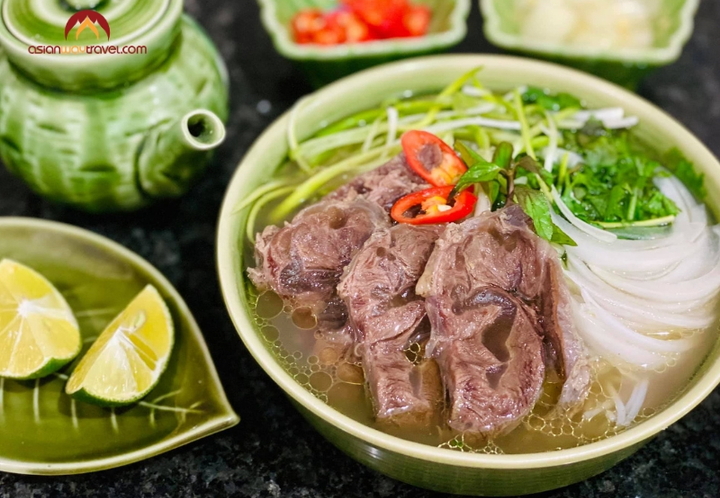
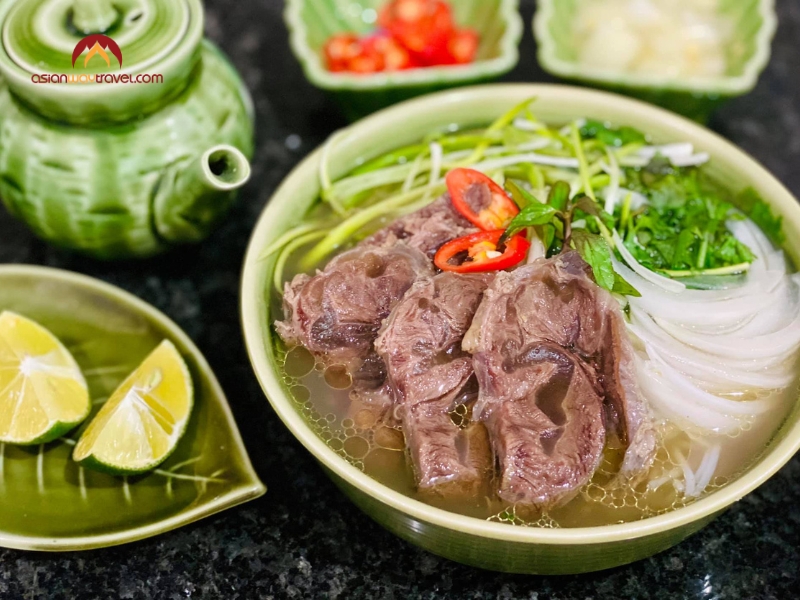
- Pho: Hanoi-style pho usually features a clear, aromatic broth, flat rice noodles and thin slices of beef or chicken. The experience is most convincing at a busy morning shop where bowls are prepared quickly beside steaming stockpots.
- Bun cha: Grilled pork is served with rice noodles, herbs and a light dipping sauce. Smoke rises charcoal grills near the pavement, while trays of fresh lettuce and perilla leaves are prepared beside the tables.
- Banh cuon: These soft steamed rice rolls are filled with minced pork and mushrooms. Watching the cook spread a thin layer of batter over cloth is part of the experience.
- Egg coffee: Made with coffee and a whipped egg mixture, this drink is both a local speciality and a reminder of Hanoi’s café culture.
The Old Quarter is particularly suitable for walking tours. Its streets are compact, and visitors can move between noodle shops, snack stalls and cafés without long transfers. Hanoi is best for travellers who want classic northern dishes and an introduction to the history behind them.
See more: Vietnam Cruises: A Luxurious Journey to Explore Vietnam’s Seas and Islands
Hoi An – Central Vietnamese Food and Hands-On Cooking
Hoi An offers a different type of food experience. The town combines street dishes, market visits, farming villages and cooking classes within a relatively small area.
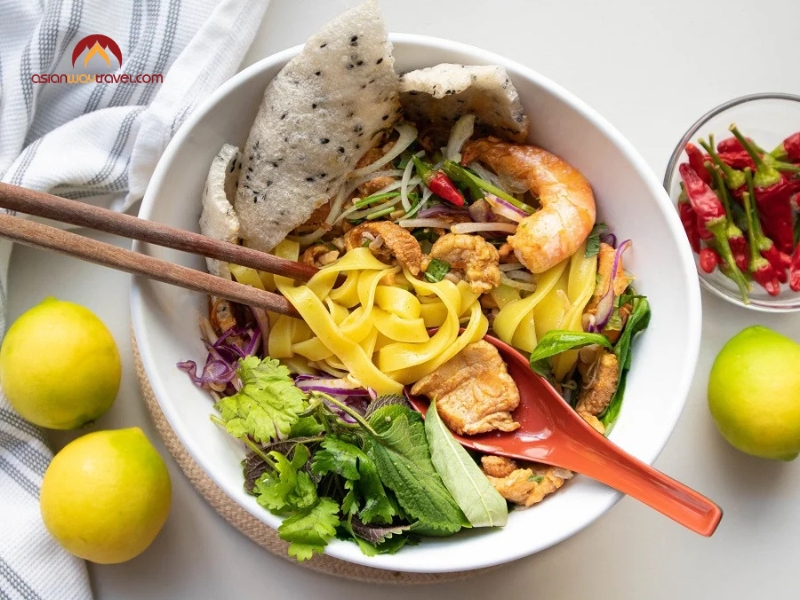
- Cao lau: This noodle dish includes sliced pork, herbs, bean sprouts, crisp crackers and a small amount of broth. Its texture and preparation are closely associated with Hoi An rather than central Vietnam in general.
- White rose dumplings: These small steamed dumplings have translucent wrappers and a savoury filling. They are often topped with fried shallots and served with a light dipping sauce.
- Quang noodles: Mi Quang uses wide noodles, herbs, peanuts and a concentrated broth. It is more textured and less soup-based than pho.
- Market visits: A morning visit to Hoi An Market introduces visitors to local herbs, seafood, noodles and spices before the town becomes busy.
- Tra Que cooking classes: Travellers can visit vegetable gardens, learn about local herbs and prepare several dishes with an instructor.
Hoi An works well for travellers who want to participate rather than only taste. A market-and-cooking experience creates a clear connection between ingredients, farming and the finished meal.
Ho Chi Minh City – Diverse Street Food and Late-Night Dining
Ho Chi Minh City has a broader and faster-moving food scene. Migrants different parts of Vietnam have brought regional dishes to the city, creating more variety within a single destination.
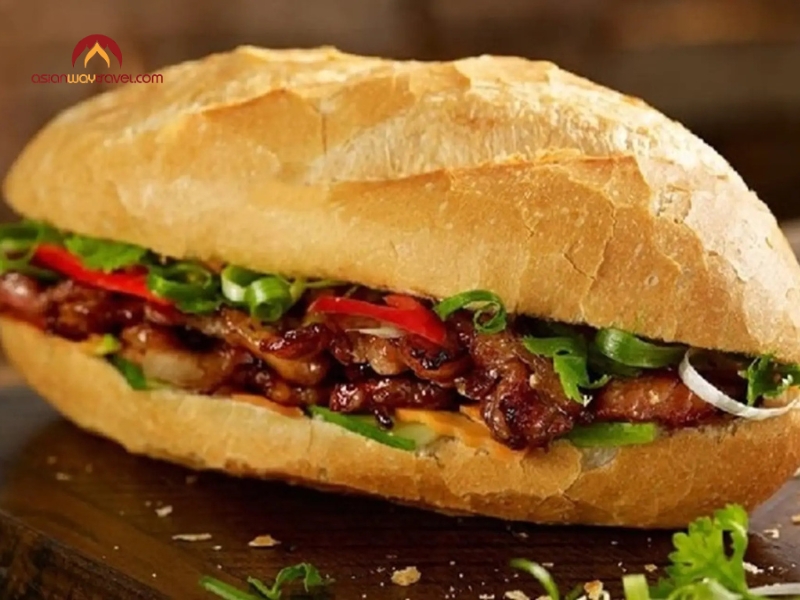
- Banh mi: The Vietnamese baguette can include grilled pork, cold cuts, pâté, pickled vegetables, cucumber and herbs. Each vendor uses a different combination, making it useful to compare local versions.
- Com tam: Broken rice is usually served with grilled pork, egg, pickles and fish sauce. It is a practical everyday meal rather than a dish reserved for special occasions.
- Southern pancakes: Banh xeo has a crisp turmeric-coloured shell filled with pork, shrimp and bean sprouts. Diners wrap pieces in herbs and lettuce before dipping them in sauce.
- Snails and seafood: Evening food tours may include small seafood shops where snails, clams and shellfish are cooked with lemongrass, tamarind or coconut milk.
- Motorbike food tours: A motorbike route allows visitors to move between districts and experience neighbourhoods outside the central tourist area.
The city becomes especially active after dark. Scooters fill the roads, grills appear outside small shops and plastic tables spread along the pavement. Ho Chi Minh City suits travellers who want variety, strong flavours and a more energetic food tour.
Hue – Imperial Recipes and Central Vietnamese Spices
Hue’s cuisine reflects both royal influence and everyday central Vietnamese cooking. Portions are often smaller, allowing visitors to taste several dishes during one meal.
- Bun bo Hue: This noodle soup has a deeper and more aromatic broth than many northern soups. Lemongrass, chilli and fermented shrimp paste give it a distinctive character.
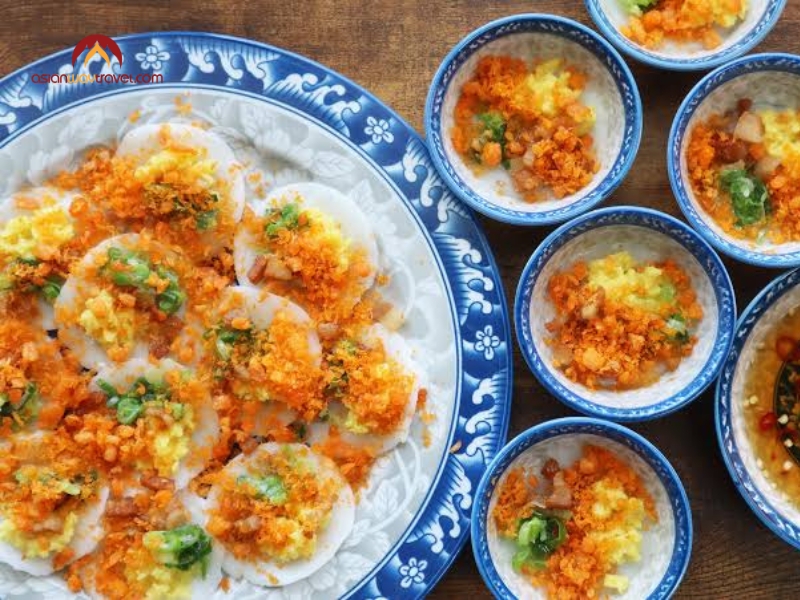
- Banh beo: Small steamed rice cakes are topped with shrimp, fried shallots and crisp pork skin. They are usually served in individual dishes.
- Banh nam and banh loc: These steamed cakes use rice or tapioca flour with shrimp and pork fillings, wrapped in banana leaves before cooking.
- Royal-style dishes: Hue’s imperial legacy influenced presentation, portion size and the number of courses served during formal meals.
Hue is suitable for travellers interested in history, traditional recipes and slower dining. A local guide is particularly useful because many dishes appear similar at first but differ in texture, filling and cooking method.
Types of Vietnam Food Tours to Consider
Food tours vary in pace, transport and level of participation. The right format depends on your available time, comfort level and interest in cooking.
|
Tour type |
Main experience |
Best suited to |
|
Street food walking tour |
Several stalls and small restaurants in one district |
First-time visitors |
|
Motorbike food tour |
Multiple neighbourhoods reached by scooter |
Active travellers |
|
Market and cooking class |
Ingredient shopping followed by practical cooking |
Couples and families |
|
Private food tour |
Custom dishes, pace and dietary arrangements |
Travellers with specific needs |
|
Multi-city culinary tour |
Regional food experiences across Vietnam |
Longer journeys |
See more: Vietnam Tour
Practical Tips Before Joining a Food Tour in Vietnam
A few simple preparations can make the experience more comfortable, especially in hot weather or crowded urban areas.
- Eat lightly beforehand: Arrive with an appetite, but avoid skipping meals for the entire day. A light breakfast or lunch is usually enough.
- Wear practical clothing: Choose comfortable shoes for walking tours and secure footwear for motorbike tours.
- Carry minimal belongings: Markets and small stalls can be crowded, so a compact bag is easier to manage.
- Inform the operator about allergies: Do this before the tour rather than at the first food stop. Fish sauce, peanuts, shellfish and soy products are common ingredients.
- Bring water: Guides often provide drinks, but carrying a small bottle is useful in warm conditions.
- Follow local eating customs: Some dishes require mixing herbs, sauces or condiments before eating. Ask the guide to demonstrate the intended method.
Travellers with sensitive stomachs should avoid adding large amounts of chilli immediately. Start with a small portion and adjust after tasting the dish.
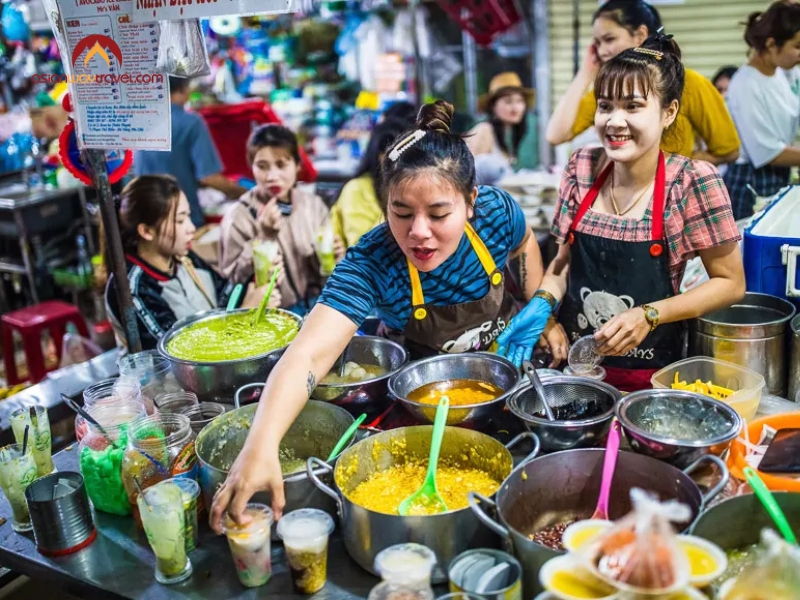
Discover Vietnam Through Its Local Food
A Vietnam food tour helps travellers understand the country through everyday meals rather than isolated restaurant visits. Hanoi introduces clear broths and charcoal-grilled dishes, Hue presents refined small plates, Hoi An connects markets with cooking, and Ho Chi Minh City brings several regional traditions together.
Asianway Travel has more than 20 years of destination experience and works with local teams across Vietnam. We can design a private journey that combines street food tours, market visits, cooking classes and regional sightseeing according to your travel pace and dietary needs. Explore our Vietnam tours or contact our specialists to build a food-focused itinerary.