
Must Visit in Vietnam: 10 Experiences You Can’t Find Anywhere Else
Vietnam is not a place you simply visit. It is a place that pulls you in, one sound, scent, and street corner at a time. You may come for Ha Long Bay, Hoi An, or Hanoi, but what stays with you is often smaller: the hiss of a noodle pot, the glow of lanterns on a river, or the quiet mist over mountain rice terraces. If you are searching for what is truly must visit in Vietnam, start with the experiences that feel impossible to copy elsewhere. Join Asianway Travel as we explore this in more detail in the article below.
Why Vietnam Feels Different Other Southeast Asian Destinations
Vietnam feels less polished than Singapore, less predictable than Thailand, and more layered than a beach escape in Bali. That is exactly its strength.
The country stretches high mountains to tropical deltas, imperial cities to buzzing street corners. In one journey, you can cruise between limestone cliffs, sleep near jungle caves, eat beside locals on plastic stools, and watch sunrise a mountain pass.
What makes Vietnam memorable is not just scenery. It is the rhythm of daily life. Motorbikes hum like a city orchestra. Markets open before sunrise. Food is cooked in front of you, not hidden behind restaurant walls. For travelers seeking authentic Vietnam experiences, this raw energy is the real reason to come.
Cruise Through Ha Long Bay Overnight
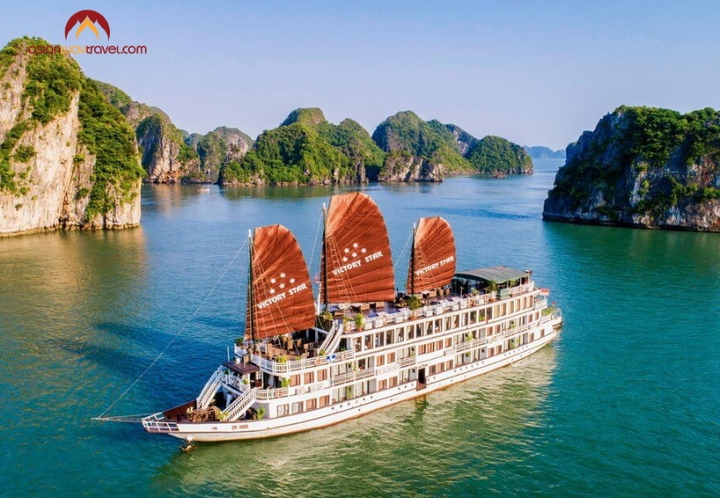
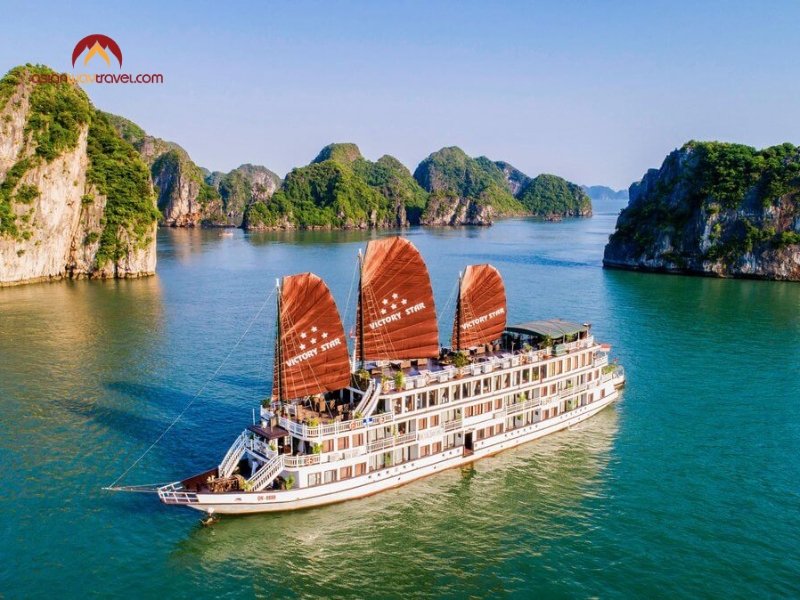
Ha Long Bay is one of the most iconic places to visit in Vietnam, but the overnight experience changes everything. Day trips show you the scenery. A night on the water lets you feel it.
Wake Up Between Limestone Karsts
Morning in Ha Long Bay begins quietly. The water turns silver, fishing boats move slowly, and limestone karsts rise the mist like sleeping giants. This is the moment when the bay feels less like a postcard and more like a living landscape.
An overnight cruise gives you time to kayak, visit caves, enjoy sunset on deck, and wake up before the crowds arrive. Instead of rushing through the bay, you move with its rhythm. For first-time travelers, this is often one of the most unforgettable Vietnam bucket list experiences.
Why An Overnight Cruise Changes the Experience
Ha Long Bay can feel busy during the day, especially around popular ports and viewpoints. Staying overnight helps you move beyond the surface. The best cruises bring you to quieter corners, where the sound of water replaces traffic and camera noise.
This slower pace matters. You see the bay at sunset, under stars, and in soft morning light. Each hour gives the same landscape a different mood. That emotional shift is why Ha Long Bay remains a must visit in Vietnam, even for travelers who have seen famous seascapes elsewhere.
Best Time to Visit Ha Long Bay
The best months for Ha Long Bay are often spring and autumn, especially around April to June or September to November, when skies are clearer and temperatures feel pleasant. Weather can still change, so flexible planning helps.
If you travel in winter, mist can create a mysterious atmosphere, but visibility may be lower. In summer, storms can affect cruise schedules. A local expert can help you choose the right route and cruise style for your travel dates.
Ride the Hai Van Pass by Motorbike
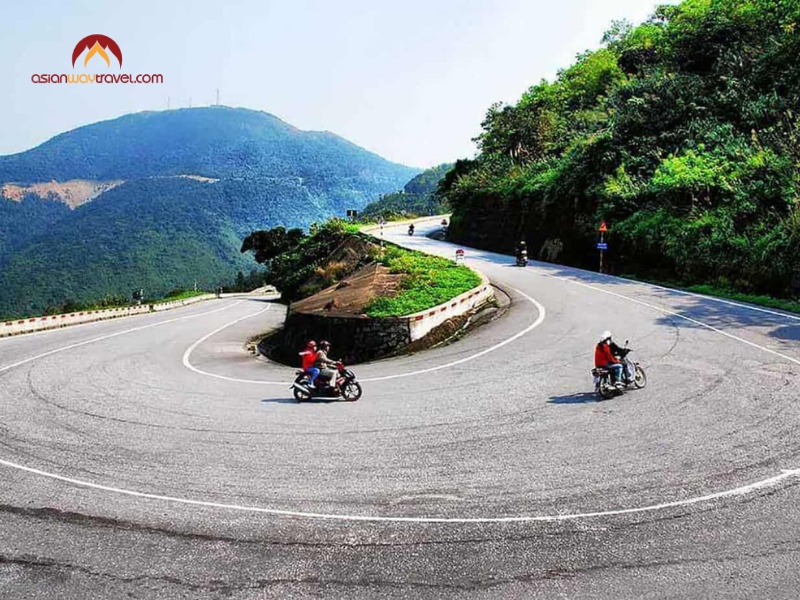
The Hai Van Pass is not just a road between Hue and Da Nang. It is one of Vietnam’s most scenic coastal journeys.
Vietnam’s Most Scenic Coastal Road
The road climbs between mountains and sea, opening to views of blue water, green slopes, and winding curves. Each turn feels cinematic. You hear the engine, smell the salt air, and watch clouds drift across the pass.
Compared with highly developed coastal routes in other countries, Hai Van still feels open and dramatic. It is not only about reaching the next city. It is about feeling the distance between places. That makes it one of the most unique things to do in Vietnam.
See more: Short View of Vietnam 07 Days
The Freedom of Slow Travel in Central Vietnam
A private transfer can take you Hue to Hoi An quickly, but the Hai Van Pass rewards travelers who slow down. You can stop at viewpoints, drink coffee near the road, and look back at the coastline unfolding below.
This is where Vietnam shows its contrasts. One side leads to imperial Hue, full of royal history. The other leads to Hoi An, glowing with lanterns and riverside life. Between them, the pass becomes a bridge between culture, nature, and movement.
Safety Tips for First-Time Riders
The Hai Van Pass is beautiful, but first-time riders should be careful. Roads can be wet, trucks may appear on some sections, and mountain curves require attention.
For many travelers, the best option is to ride with an experienced local driver or choose a guided motorbike tour. You still feel the wind and freedom, but with better safety and local knowledge. If you prefer comfort, a private car with scenic stops is also a smart choice.
Explore Hanoi’s Old Quarter After Dark
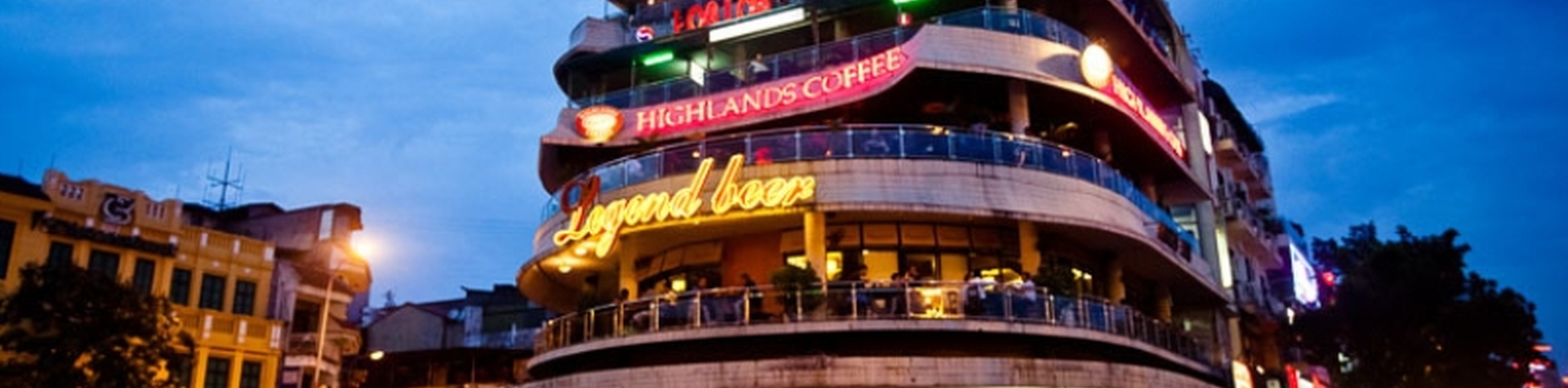
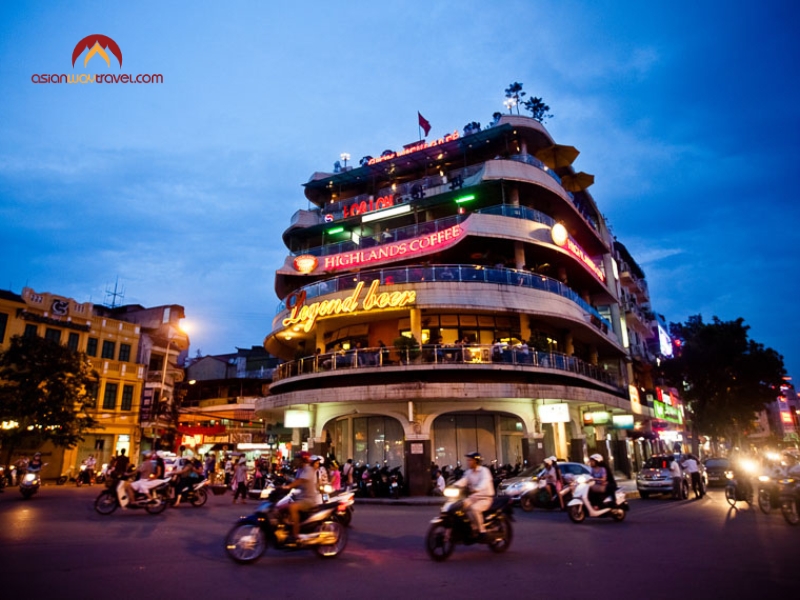
Hanoi during the day is historic. Hanoi after dark is alive. The Old Quarter becomes a maze of food smoke, motorbike lights, and sidewalk conversations.
Street Food Corners That Never Sleep
At night, Hanoi’s food culture moves onto the street. Steam rises bowls of pho. Grilled pork sizzles over charcoal. Vendors call softly corners that have served the same dishes for decades.
This is not a polished dining experience. That is the point. You sit close to the street, hear the city moving around you, and taste dishes shaped by local routine. For travelers searching for Vietnam cultural experiences, Hanoi’s night food scene is essential.
The Contrast Between Chaos and Charm
At first, Hanoi can feel chaotic. Motorbikes flow in every direction, sidewalks become dining rooms, and alleys seem too narrow to understand. Then, slowly, the pattern appears.
The charm of the Old Quarter is in that contrast. Ancient houses stand beside neon signs. Quiet temples hide behind busy roads. A coffee shop may sit above a tailor, a noodle stall, and a family home. This layered feeling is hard to find in more sanitized city breaks.
What to Try in Hanoi at Night
A good Hanoi night should begin with food and end with coffee. Try pho, bun cha, banh mi, grilled skewers, or crispy pancakes. Then find egg coffee in a small upstairs cafe and watch the street above.
The best experience often comes walking with someone local. They know which stalls still cook the old way, what time to arrive, and how to order without turning dinner guesswork.
Trek Through the Rice Terraces of Sapa
Sapa is one of the most famous mountain destinations in Vietnam, but its real beauty appears when you leave the town center.
Why Sapa Feels Completely Different Bali
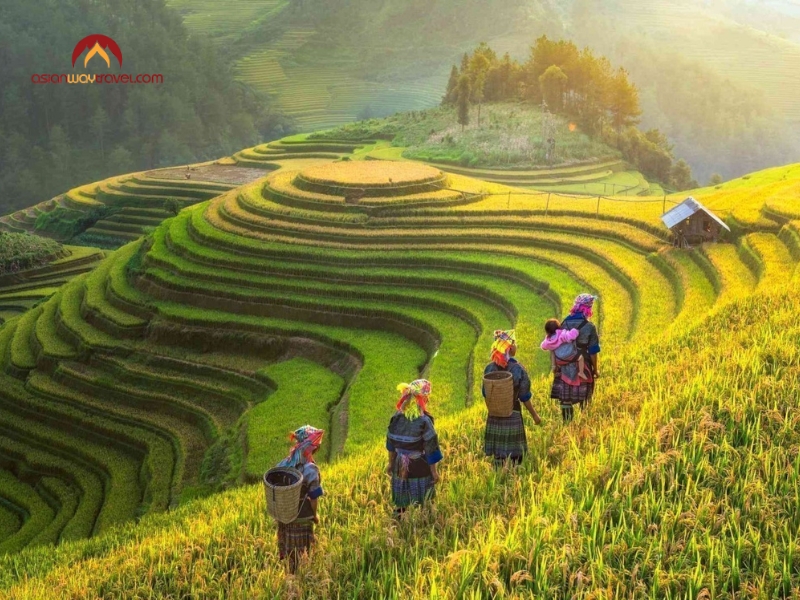
Bali is tropical, spiritual, and polished in many areas. Sapa feels cooler, higher, and more rugged. The landscape is shaped by mountains, mist, and rice terraces carved steep valleys.
Walking through Sapa is not just sightseeing. You move through working farmland, where seasons change the color of the hills. Green fields, golden harvests, and foggy mornings each create a different mood. For nature lovers, this is a must visit in Vietnam.
Local Ethnic Culture Beyond the Views
The rice terraces are beautiful, but Sapa’s deeper value comes its ethnic communities. Hmong, Dao, and other groups have lived in these mountains for generations, each with distinct clothing, customs, and local knowledge.
A respectful trek can bring you closer to village life without turning culture performance. You may pass family homes, small schools, herbal bath houses, and markets where local languages mix with Vietnamese. This is where travel becomes more human.
The Best Trekking Seasons in Northern Vietnam
For mountain scenery, September and October are often loved for golden harvest views. Spring can bring fresh green landscapes and comfortable trekking weather. Northern Vietnam has distinct seasons, so packing layers is important.
A tailor-made Vietnam travel itinerary can adjust trekking length, accommodation style, and difficulty level. That matters because Sapa can serve both soft adventure travelers and serious hikers.
Drift Through the Mekong Delta Floating Markets
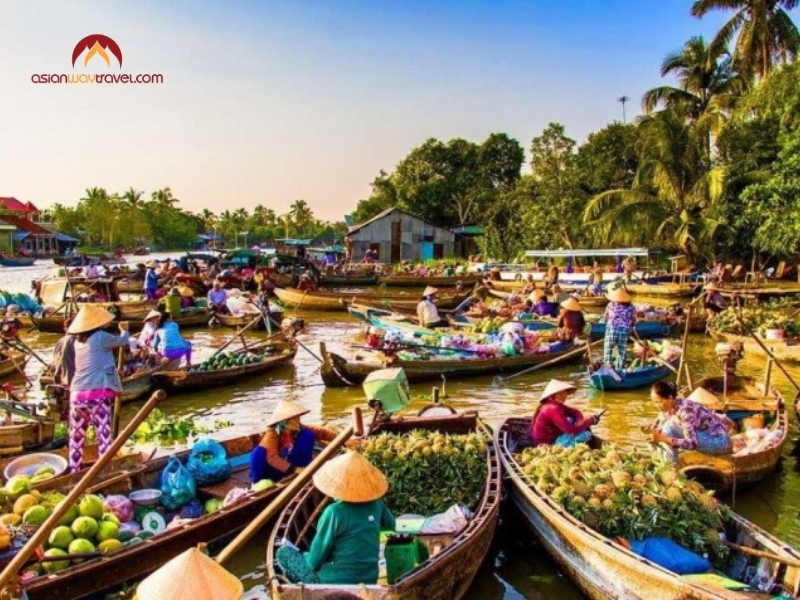
The Mekong Delta moves to the rhythm of water. Here, rivers are roads, boats are shops, and breakfast may arrive a floating kitchen.
A floating market visit is best at sunrise, when boats gather with fruit, vegetables, coffee, and hot noodles. The experience is simple but vivid. You hear engines coughing awake, see pineapples stacked high, and smell broth rising the morning air.
The Mekong Delta is one of the best experiences in Vietnam because it shows a different kind of local life. It is slower than Hanoi, softer than Ho Chi Minh City, and deeply connected to land and river. For travelers who want more than big attractions, the delta adds texture to the journey.
Discover the Lantern Streets of Hoi An
Hoi An is beautiful in photographs, but the town feels richer when you experience it slowly. Late afternoon is the best time to begin.
As the sun lowers, yellow walls warm in the light, bicycles pass through narrow lanes, and lanterns begin to glow above the river. By evening, Hoi An becomes one of the most atmospheric places to visit in Vietnam.
The town is also known for tailor-made clothing, cooking classes, riverside cafes, and nearby countryside cycling. It is easy to treat Hoi An as a pretty stop, but its real charm comes staying long enough to feel its rhythm.
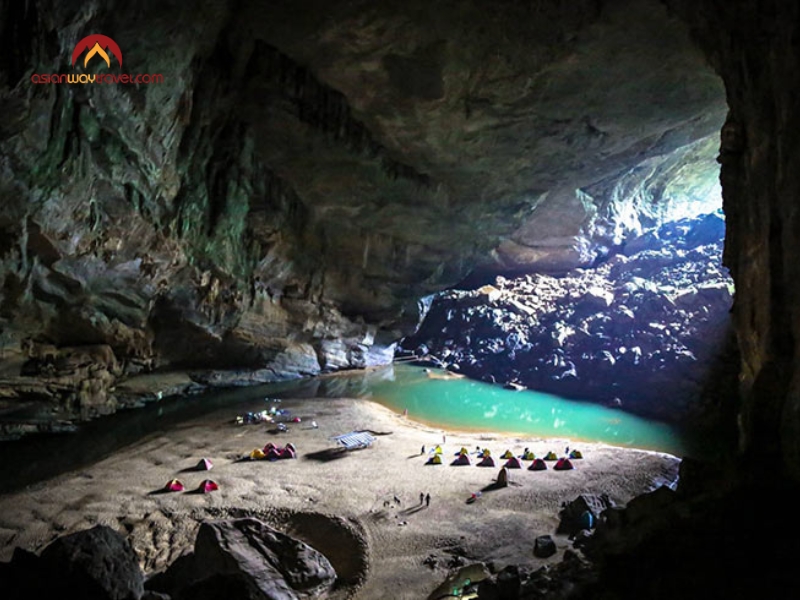
Sleep in a Cave Region Near Phong Nha
Phong Nha brings a different side of Vietnam: jungle, rivers, limestone mountains, and some of the world’s most impressive cave systems.
This region is ideal for travelers who want Vietnam adventure travel beyond the usual route. You can explore accessible caves, take boat rides through underground rivers, or join deeper jungle adventures depending on your fitness and comfort level.
What makes Phong Nha special is its sense of scale. The caves make you feel small in the best way. After busy cities and heritage towns, this landscape adds wildness to your Vietnam journey.
See more: Best of Vietnam Tour 12 Days
Taste Vietnam One Bowl at a Time
Vietnamese food is not one cuisine. It is a map of regional identity served in bowls, baskets, and street-side plates.
In Hanoi, pho tastes clean, balanced, and aromatic. In Hue, bun bo hue brings spice, depth, and imperial influence. In Hoi An, cao lau carries the texture of old trading routes. In the south, hu tieu feels lighter, sweeter, and shaped by river culture.
Food is one of the most authentic Vietnam experiences because it is part of daily life. You do not need luxury to eat well here. You need curiosity, timing, and the right local guidance.
Watch the Sunrise Over Ha Giang Loop
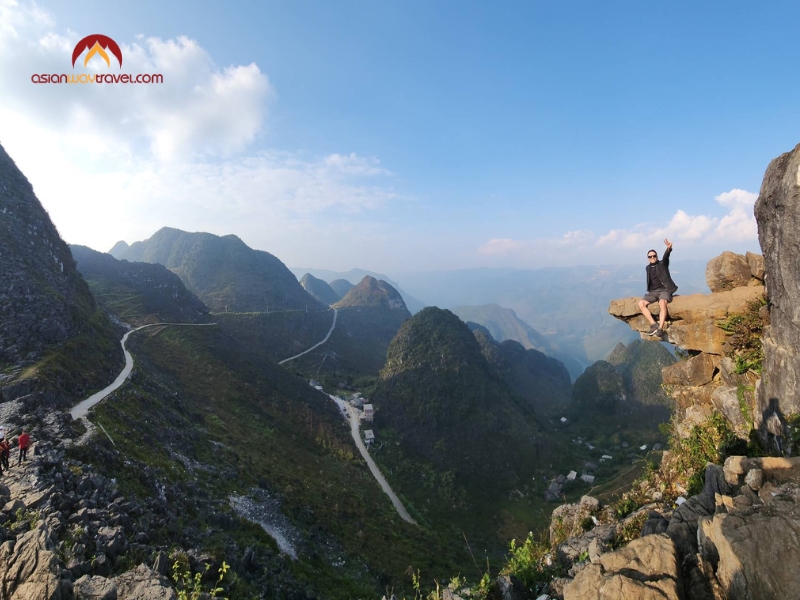
Ha Giang is often called the next great mountain destination in Vietnam, but it still feels raw compared with more established tourist areas.
The Ha Giang Loop offers limestone peaks, deep valleys, ethnic villages, and mountain roads that feel carved the sky. At sunrise, the landscape turns soft and quiet. You may hear roosters, distant engines, and wind moving through the pass.
This experience is not for travelers who want everything easy. Roads are long, weather can shift, and comfort levels vary. But for those who want a journey with edge, Ha Giang is one of the most powerful places to visit in Vietnam.
Why Tailor-Made Travel Creates a Better Vietnam Experience
Vietnam rewards planning, but not rigid planning. The country changes by region, season, travel style, and even time of day.
A good tailor-made tour helps you avoid two common mistakes. The first is rushing north to south without enough breathing room. The second is copying a generic itinerary that does not match your interests.
Asianway Travel focuses on local culture, local life, local practices, and local cuisines in its Vietnam journeys. Its tailor-made tours are designed by local experts with over 20 years of experience, helping travelers build a smoother and more personal route through Vietnam.
Conclusion
The true must visit in Vietnam is not one place. It is the combination of moments: mist over Ha Long Bay, lanterns in Hoi An, rice terraces in Sapa, floating markets in the Mekong, and the first spoon of hot pho on a busy street.
Vietnam is a worthy experience because it does not feel like a copy of anywhere else in Southeast Asia. It is layered, emotional, flavorful, and alive.
Plan your Vietnam journey with Asianway Travel and turn these must-visit experiences a tailor-made itinerary built around your pace, your style, and your reason for traveling.