
Hanoi Street Food Guide: What to Eat, Where to Go, and How to Eat Like a Local
Hanoi does not introduce itself with a grand gesture. It pulls you in slowly, through the hiss of charcoal grills, the clatter of plastic stools, and the warm steam rising a bowl of pho at sunrise. This Hanoi street food guide helps you move beyond the usual checklist and taste the city with more confidence. You will know what to eat, where to go, how to choose safer street stalls, and when a local guide can turn a simple meal a worthy cultural experience. Join Asianway Travel as we explore this in more detail in the article below.
Why Hanoi Street Food Is a Worthy Experience, Not Just a Cheap Meal
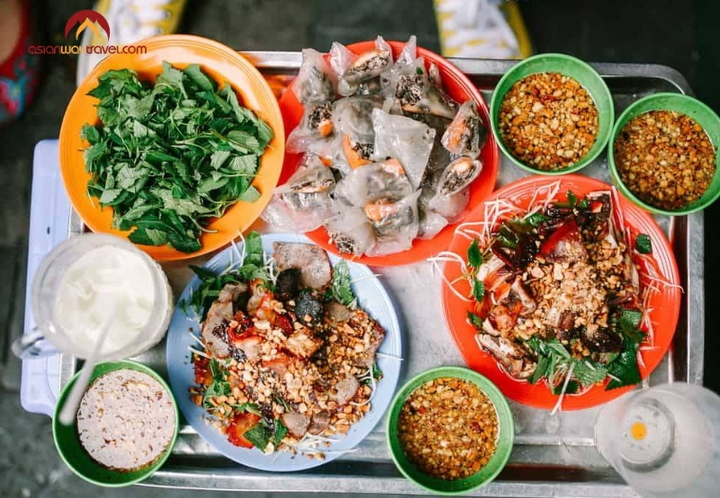
Hanoi street food is not only about low prices or famous dishes. It is a direct way to understand the city’s rhythm, history, and daily life.
Street food is where Hanoi feels most alive. In the morning, vendors ladle clear broth bowls while motorbikes hum past narrow sidewalks. At noon, the smell of grilled pork drifts through small alleys. By evening, beer corners fill with chatter, clinking glasses, and the sharp aroma of fried snacks.
Compared with Bangkok or Bali, Hanoi feels more intimate and old-world. Bangkok gives you bright night markets and fast energy. Bali often serves a slower, tropical dining mood. Hanoi sits somewhere else entirely, with low stools, family-run stalls, weathered shopfronts, and recipes that feel closely tied to neighborhood memory.
Every dish also carries a local habit. Pho often belongs to the morning. Bun cha feels like a smoky lunch ritual. Egg coffee invites you to pause above the Old Quarter and watch the streets move below. That is why a strong Hanoi street food guide should explain not only what to eat, but how each dish fits local life.
Best Hanoi Street Foods to Try for First-Time Visitors
First-time visitors should begin with dishes that show Hanoi’s range clearly. This list balances famous icons, gentle local flavors, and classic street-side experiences.
Pho Hanoi – The Comforting Start to Any Hanoi Food Guide
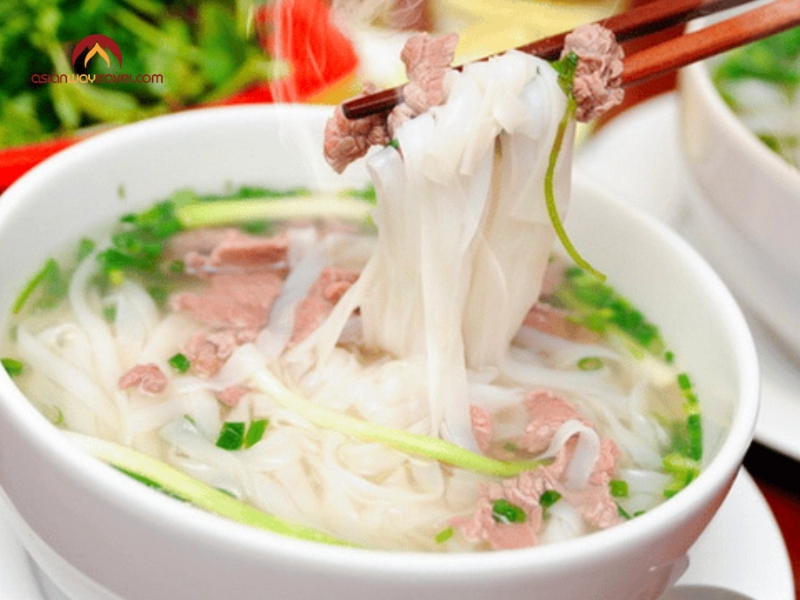
Pho is the natural starting point for any Hanoi food guide because it feels familiar, yet deeply specific to the city. Hanoi-style pho usually has a clear broth, tender rice noodles, fresh herbs, and thin slices of beef or chicken. The flavor is often lighter than many visitors expect, with gentle spice, clean sweetness, and a quiet depth slow cooking.
A good bowl of pho does not need too many toppings. The beauty sits in the broth, the texture of the noodles, and the balance of lime, chili, herbs, and fish sauce.
For a better first experience, keep these notes in mind:
- Try pho in the morning: Many local shops serve their best broth early, when the kitchen is busy and ingredients move quickly.
- Taste before adding sauces: The broth already has balance, so try one spoonful before adding lime, chili, or garlic vinegar.
- Choose beef or chicken based on comfort: Beef pho feels richer, while chicken pho tastes lighter and works well for sensitive stomachs.
Bun Cha – Grilled Pork, Smoky Broth, and the Taste of Local Lunch
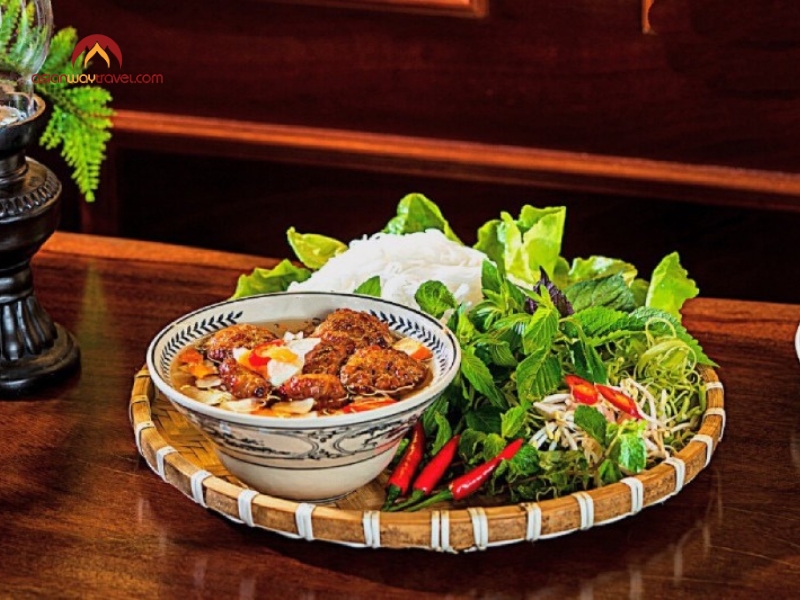
Bun cha is one of the best street foods in Hanoi because it captures the city through smoke, sweetness, and contrast. The dish includes grilled pork patties, slices of pork belly, rice noodles, fresh herbs, and a warm dipping broth. The broth usually tastes savory, slightly sweet, and lightly sour, creating a bright base for the smoky meat.
The sound of bun cha is part of the experience. You may hear fat dripping onto hot charcoal, quick scissors cutting herbs, and bowls landing on metal tables. It feels casual, but every part has a role.
Here is how to eat bun cha properly:
- Dip noodles the broth: Do not pour everything together at once. Add small portions of noodles and herbs the warm dipping sauce.
- Balance meat with herbs: Fresh herbs soften the richness of grilled pork and make each bite cleaner.
- Eat it for lunch: Bun cha is especially popular around midday, when many local restaurants feel lively and full.
See more: Hanoi Cultural & Culinary Experience Day Tour Private
Banh Mi – A Quick Bite Between Hanoi’s Busy Streets
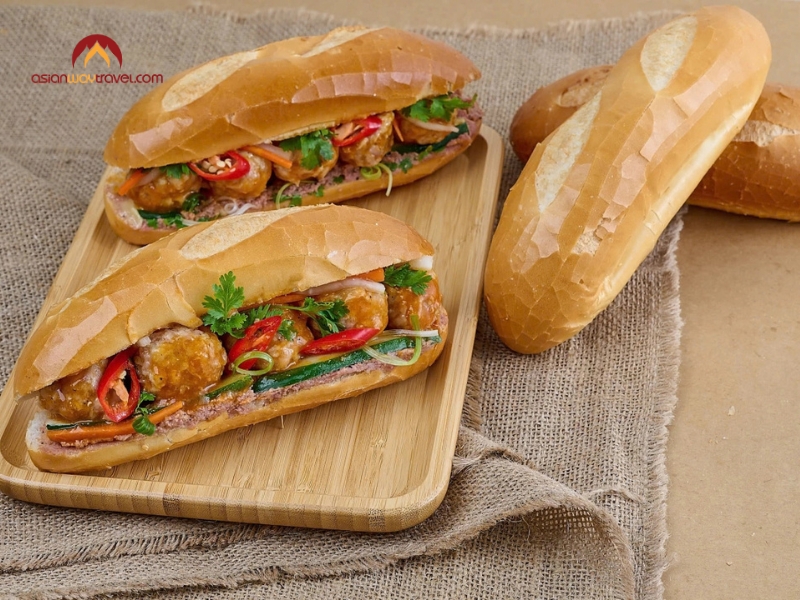
Banh mi works perfectly when you want something fast, flavorful, and easy to eat while exploring the Old Quarter. The bread should feel crisp outside and airy inside. Fillings may include pate, pork, chicken, egg, pickled vegetables, cucumber, chili, and fresh coriander. Each bite gives you crunch, fat, salt, acidity, and herbal freshness.
While banh mi appears across Vietnam, Hanoi versions often feel simpler and less overloaded than some southern styles. That restraint suits the city. You taste the bread, the pate, the meat, and the pickles without losing the structure of the sandwich.
For a better banh mi stop, look for these signs:
- Bread should be warmed or toasted: A warm baguette improves texture and brings out the aroma of butter, pate, or grilled fillings.
- Pick a stall with steady customers: Fast turnover usually means fresher bread and fillings, especially during breakfast or late afternoon.
- Ask for less chili if needed: Say no spicy or khong cay if you prefer a milder version.
Banh Cuon – Soft Steamed Rice Rolls for a Gentle Morning
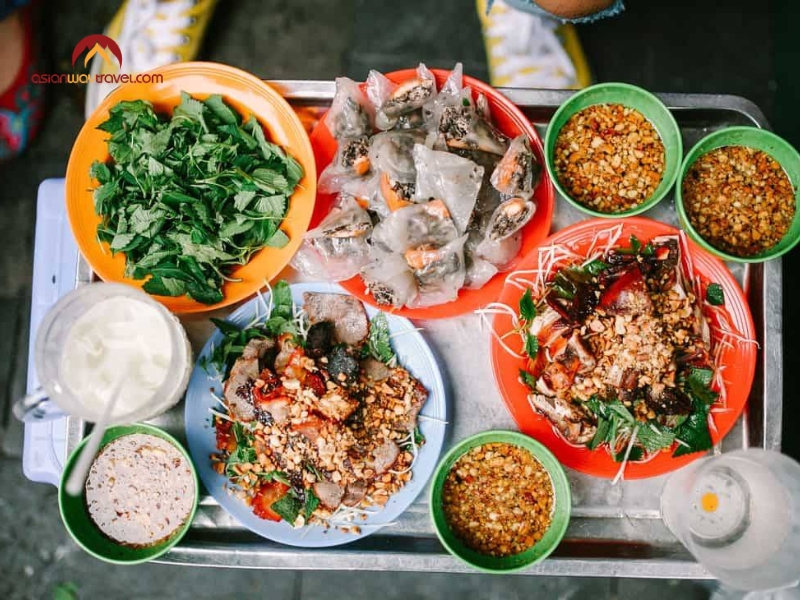
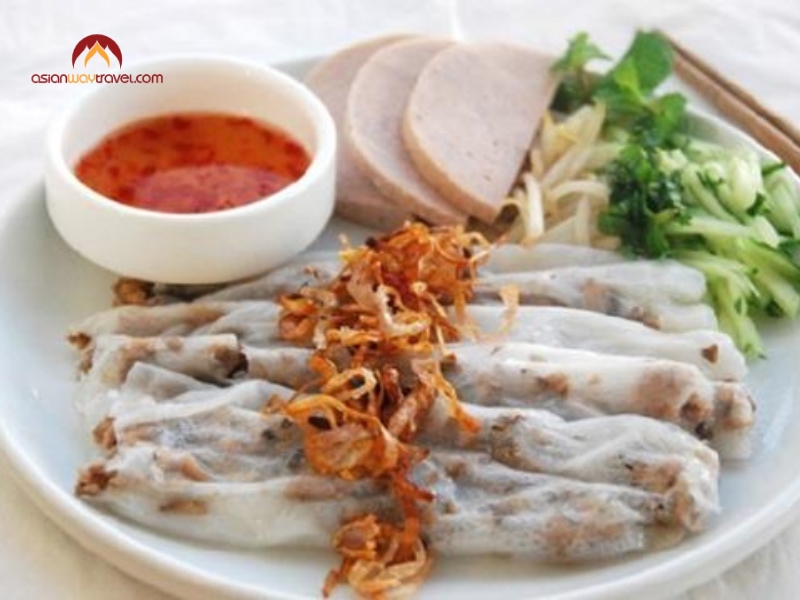
Banh cuon is a softer side of Hanoi street food. Vendors make thin rice sheets by steaming batter over cloth, then rolling them with minced pork and wood ear mushrooms. The plate often comes with fried shallots, fresh herbs, Vietnamese sausage, and a light fish sauce dip.
This dish suits travelers who want local flavor without heavy spice or deep-fried richness. The texture is delicate, almost silky, while the fried shallots add a crisp, fragrant contrast. It also makes a strong breakfast choice before a day of sightseeing.
To enjoy banh cuon like a local, follow these simple habits:
- Eat it while warm: Freshly steamed rice rolls lose their best texture if they sit too long.
- Use the dipping sauce gently: The sauce should lift the dish, not drown the soft rice sheets.
- Pair it with Vietnamese sausage: The sausage adds a savory bite that balances the gentle rice rolls.
Egg Coffee – Hanoi’s Sweet, Creamy Signature Drink
Egg coffee is more than a drink in this Hanoi street food guide. It is a small pause inside the city’s noise. The drink usually combines strong Vietnamese coffee with a whipped egg cream made egg yolk, sugar, and condensed milk. The result feels rich, sweet, bitter, and almost dessert-like.
The setting matters as much as the cup. Many visitors enjoy egg coffee in narrow cafes tucked above old streets, where wooden stairs creak and balconies look over moving traffic. It is the kind of experience that makes Hanoi feel cinematic, especially after a long food walk.
Try egg coffee with these expectations:
- Drink it slowly: The cream and coffee change as they mix, creating a stronger flavor near the end.
- Expect richness, not a light coffee: Egg coffee tastes closer to dessert than a regular morning drink.
- Use it as your final stop: It works beautifully after savory dishes like bun cha, banh mi, or grilled pork.

Estimated Hanoi Street Food Prices for Travelers
Street food in Hanoi is generally affordable, but prices can vary by location, portion size, and whether you eat at a local stall, cafe, or tourist-heavy area.
|
Food or Drink |
Estimated Price Range |
Notes for Travelers |
|
Pho Hanoi |
40,000–70,000 VND |
Higher in central tourist areas or famous shops |
|
Bun cha |
50,000–90,000 VND |
Some places charge more for extra grilled pork |
|
Banh mi |
25,000–50,000 VND |
Simple versions are cheaper than loaded fillings |
|
Banh cuon |
35,000–60,000 VND |
Often served with Vietnamese sausage and herbs |
|
Nom bo kho |
40,000–70,000 VND |
Good as a light snack during a food walk |
|
Sweet soup |
20,000–45,000 VND |
Price depends on toppings and serving size |
|
Egg coffee |
35,000–65,000 VND |
Usually higher in Old Quarter cafes |
|
Hanoi beer |
15,000–40,000 VND |
Bia hoi is cheaper than bottled beer |
Quick Hanoi Street Food Reference Table
Use this table as a simple starting point before planning your own food walk or booking a guided Hanoi street food tour.
|
Dish |
Best Time to Try |
Flavor Profile |
Good For |
|
Pho Hanoi |
Morning |
Light, aromatic, comforting |
First-time visitors |
|
Bun cha |
Lunch |
Smoky, savory, slightly sweet |
Classic Hanoi experience |
|
Banh mi |
Breakfast or afternoon |
Crunchy, rich, tangy |
Quick food stop |
|
Banh cuon |
Morning |
Soft, gentle, savory |
Sensitive stomachs |
|
Egg coffee |
Afternoon or evening |
Sweet, creamy, bitter |
Dessert-style coffee |
|
Nom bo kho |
Afternoon or evening |
Tangy, chewy, fresh |
Local snack lovers |
|
Hanoi beer |
Evening |
Light, crisp, social |
Night food walks |
See more: Hanoi Cultural & Culinary Experience Day Tour
Suggested Hanoi Street Food Walking Route for One Evening
A one-evening route should feel satisfying, not exhausting. Choose four to six stops, keep portions small, and leave room for coffee or dessert.
Start around Hoan Kiem or the Old Quarter. Begin with something light and accessible, such as banh cuon or banh mi. This gives you an easy first bite while you adjust to the pace of Hanoi’s evening streets.
Move grilled dishes and local snacks. Bun cha, grilled pork, fried pancake, or nom bo kho can add smoke, crunch, herbs, and stronger flavors. This middle part should feel lively, with more texture and a deeper sense of local eating culture.
End with egg coffee, sweet soup, mixed fruit, or Hanoi beer. This final stop gives the evening a natural close. You can sit longer, watch the street slow down, and let the flavors settle a complete memory.
Final Tips Before You Try Hanoi Street Food
Before starting your Hanoi street food journey, remember that the best experience comes curiosity, pacing, and a little local guidance.
Do not try to eat everything in one night. Hanoi has too many dishes, textures, and neighborhoods for a single evening. Four to six good stops will give you a richer experience than rushing through ten dishes without context.
Balance famous dishes with lesser-known local bites. Pho, bun cha, and banh mi deserve their reputation, but dishes like banh cuon, nom bo kho, sweet soup, and egg coffee reveal softer details of the city’s food culture.
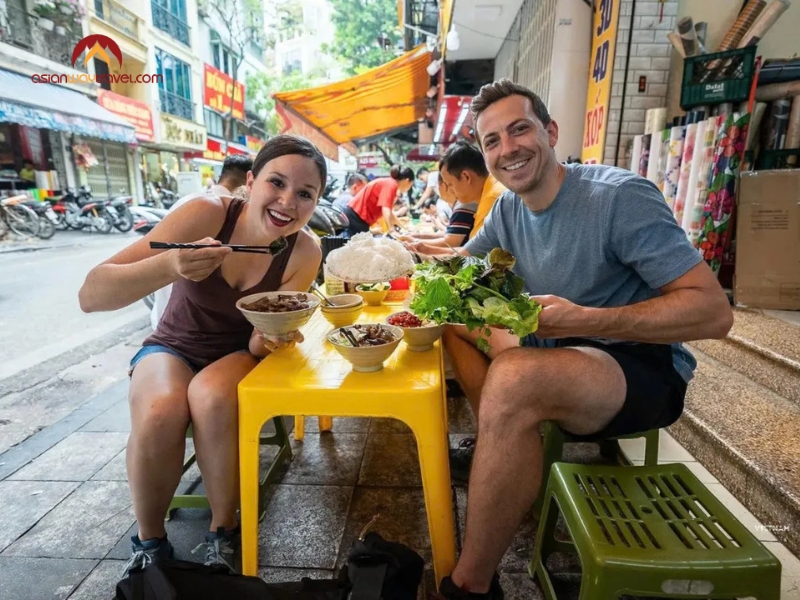
Let the city lead you, but let a local help you understand it. Hanoi street food becomes more meaningful when someone explains the ingredients, the habits, and the small stories behind each stop.
Conclusion
This Hanoi street food guide gives you a practical starting point, classic dishes and food areas to safety tips and evening route ideas. Yet Hanoi is not a city you fully understand a list. Its food lives in steam, smoke, small alleys, family recipes, and the quick rhythm of everyday meals.
Ready to taste Hanoi beyond the usual food checklist? Let Asianway Travel design a local street food experience with trusted guides, handpicked stops, tailor-made pacing, and more than 20 years of Vietnam travel expertise. Book your Hanoi food experience today and eat the city the way locals do.