

Exchange Money in Vietnam – A Complete Guide for Foreign Travelers

Exchange Money in Vietnam – A Complete Guide for Foreign Travelers
If you’re planning a trip to Vietnam, one of the first things you’ll need to understand is how to exchange money in Vietnam. Whether you’re coming the US, Europe, or Singapore, knowing where, when, and how to get the best exchange rate can make a big difference to your travel experience.
Vietnam is still largely a cash-based society. While cards are becoming more common in big cities like Hanoi, Ho Chi Minh City, or Da Nang, cash is king in local markets, taxis, and rural areas. Let’s go over everything you need to know before you land in Vietnam

1. Understanding the Vietnamese Dong (VND)
Vietnam’s official currency is the Vietnamese Dong (₫) — and yes, the numbers are big!
1 USD ≈ 25,000 VND (as of late 2025), so don’t panic when you see prices in the hundreds of thousands.
Common denominations
You’ll see colorful polymer notes:
-
10,000 ₫ (green)
-
20,000 ₫ (blue)
-
50,000 ₫ (pink)
-
100,000 ₫ (green)
-
200,000 ₫ (red)
-
500,000 ₫ (purple)
Important tip: some notes look very similar — the 20,000 ₫ and 500,000 ₫ can easily be mixed up! Always double-check before paying, especially in dim light or when you’re tired.

Quick facts about money in Vietnam
-
The Dong is non-convertible, meaning you can’t easily exchange it outside Vietnam — exchange or spend your VND before leaving.
-
US Dollars are accepted only in some hotels or tourist shops, but most local businesses require VND.
-
Vietnam is still largely a cash-based economy, especially outside major cities.
2. Where (and How) to Exchange Money Safely
When it comes to exchange money in Vietnam, there are several legitimate and convenient options:
The best places to exchange money in Vietnam
-
Banks (Vietcombank, BIDV, Techcombank, ACB, etc.)
-
Safest and most reliable.
-
You’ll get official receipts and transparent rates.
-
Open on weekdays, usually 8 AM – 4 PM.
-
-
Currency exchange counters in cities or airports
-
Convenient but rates are slightly lower (1–2 % difference).
-
Good for small amounts when you first arrive.
-
-
Licensed gold or jewelry shops
-
Common in big cities like Hanoi and Ho Chi Minh City.
-
Offer competitive rates but make sure they display a business license.
-
What to avoid
-
Street exchangers or “black market” changers.
They might offer attractive rates, but counterfeit notes and scams are not uncommon. -
Fake or damaged notes.
Vietnamese shops often reject torn or worn-out bills, so inspect your notes carefully. -
Changing too much at once.
It’s better to exchange in smaller batches as needed — rates fluctuate slightly day to day.
Asianway Travel Tip
Ask your tour guide or driver for advice on the most reputable exchange spots. We help travelers get fair rates and avoid hidden fees every day.
3. Using ATMs and Cards in Vietnam
If you prefer the convenience of ATMs, you’ll find them everywhere — in airports, hotels, shopping malls, and even small towns.
How ATMs work
-
Most machines accept Visa, MasterCard, JCB, and UnionPay.
-
Withdrawal limits range 2 – 5 million VND (≈ $80 – $200) per transaction.
-
Fees:
-
Local ATM fee: around 20,000 – 50,000 ₫ per withdrawal (under $2).
-
Your home bank may also charge a foreign transaction fee (typically 2–3%).
-
Pro tip: Withdraw larger amounts at once to reduce cumulative fees, but avoid keeping all your cash in one place.

Credit & debit cards
-
Widely accepted at hotels, upscale restaurants, and malls, especially in Hanoi, Ho Chi Minh City, and Da Nang.
-
Not accepted at street vendors, taxis, or local shops — cash is still king.
-
Always check for foreign transaction fees before your trip, or use a travel card (like Revolut or Wise) with lower rates.
Safety tips
-
Choose ATMs attached to banks or inside malls — avoid standalone machines.
-
Cover the keypad while entering your PIN.
-
Notify your bank about your travel dates to prevent card blocks.
4. How Much Cash Should You Carry?
Vietnam is affordable, but your cash needs depend on your travel style.
| Traveler Type | Daily Budget | Cash Use (%) | Tip |
|---|---|---|---|
| Backpacker | $25 – 40 USD | 80% cash | Street food & local buses require small bills |
| Mid-range | $60 – 120 USD | 60% cash | Combine cash with card for tours & hotels |
| Luxury | $150 + USD | 40% cash | Credit card for big spends, cash for convenience |
Example costs (2025 average):
-
Local meal: 50,000 – 100,000 ₫
-
Taxi ride: 60,000 ₫ per 5 km
-
Coffee: 40,000 ₫
-
Hotel (3 stars): 800,000 – 1.5 million ₫
Tip: Keep small bills (10k–50k) for street purchases and tips — vendors often don’t have change for large notes.

5. Receipts, Rules, and Returning Leftover VND
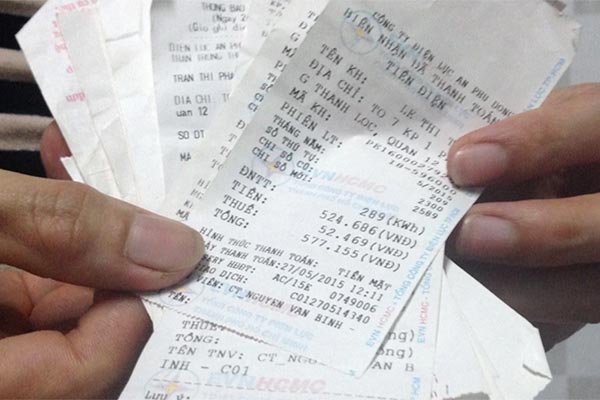
When exchanging money in Vietnam, at banks or official counters, always keep your receipt.
You may need it later if:
-
You want to exchange leftover VND back to USD/EUR/SGD, or
-
Customs or airport security asks where you got your cash.
Since the Vietnamese Dong is not widely traded abroad, it’s best to exchange your remaining notes before leaving Vietnam.
6. Common Mistakes Tourists Make
Even seasoned travelers can get caught by small oversights. Here’s what to watch out for:
-
Confusing banknotes: Many travelers hand over 500,000 ₫ instead of 50,000 ₫ by mistake. Always double-check before paying.
-
Exchanging money at the airport: Convenient, but you’ll often lose 1–2 % on the rate. Change just enough for your taxi and first meal.
-
Forgetting to split your money: Keep a day wallet with small cash and a backup stash elsewhere in your luggage or hotel safe.
-
Using USD everywhere: While some hotels accept USD, most local vendors prefer VND and may give poor exchange rates if you pay in dollars.
-
Not checking bank fees: If you withdraw $20 and your bank charges $5 in fees, that’s 25% lost! Always check international withdrawal charges before your trip.

7. Tipping, Small Purchases & Everyday Transactions
Tipping is not mandatory in Vietnam, but it’s appreciated for good service:
-
Local guides: 100,000 – 200,000 ₫ per day
-
Hotel staff: 20,000 ₫ for bellboys or housekeeping
-
Restaurants: 5–10% if service charge not included
For everyday spending:
-
Many local shops and food stalls only accept cash, no QR code or card.
-
Large restaurants and cafes may allow card payments but sometimes add a 3% card fee.
Tip Asianway Travel: In rural areas or small towns, ATMs might run out of cash during weekends or holidays. Exchange enough in advance before you travel off the beaten path.

8. Insider Tips Asianway Travel Guides
Over years of experience helping travelers across Vietnam, here are our top insider suggestions:
- Exchange only part of your cash at the airport, then find a city bank for better rates.
- Use a money belt or crossbody bag in crowded areas like markets or train stations.
- Monitor daily rates via apps like XE.com or Wise to know if you’re getting a fair deal.
- Ask your guide to assist with big exchanges — they often know the best local banks.
- Stay calm when counting cash — take your time, even if a vendor seems rushed.
Our guides at Asianway Travel are trained to support guests with safe, honest, and stress-free travel arrangements. Whether you need help finding an ATM in the countryside or the best exchange shop in Hanoi, we’ve got you covered.
9. Final Thoughts: Travel Smart, Spend Smart
Money shouldn’t be a source of stress during your Vietnam trip. Once you understand the basics — how to exchange monay in Vietnam, when to use cards, and how to carry cash safely — you’ll be free to focus on what truly matters: experiencing the beauty, flavors, and warmth of Vietnam.
At Asianway Travel, we’re here to make your journey smooth start to finish — personalized itineraries to local insights that keep you confident and comfortable every step of the way.
Ready to plan your Vietnam adventure?
Contact Asianway Travel to customize your private trip — and travel like a local, not a tourist.