
Best Time to Visit Angkor Wat: When to See the Temples Without the Crowds
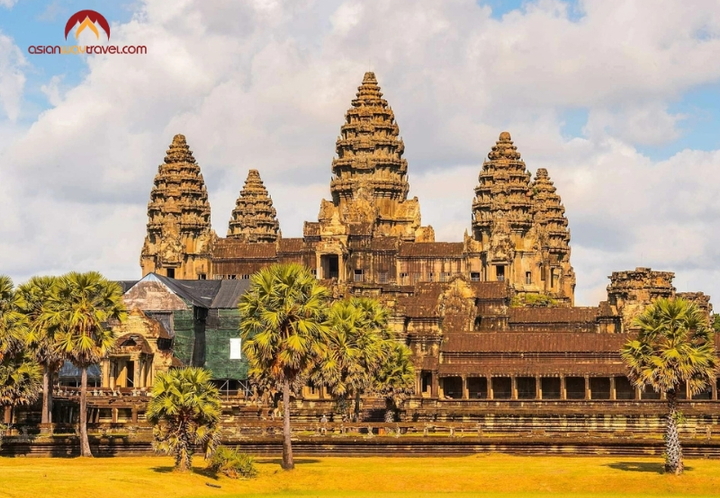
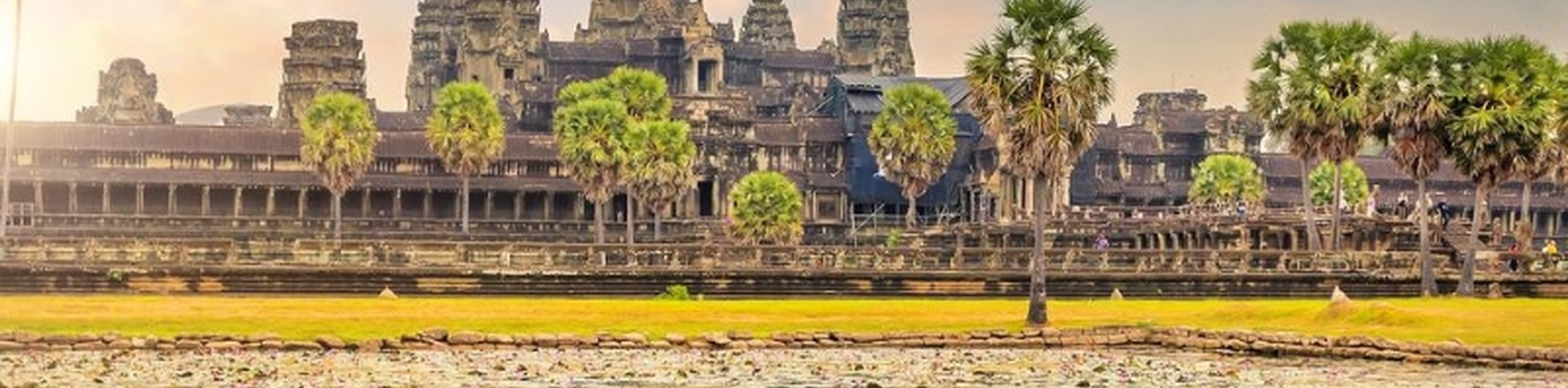
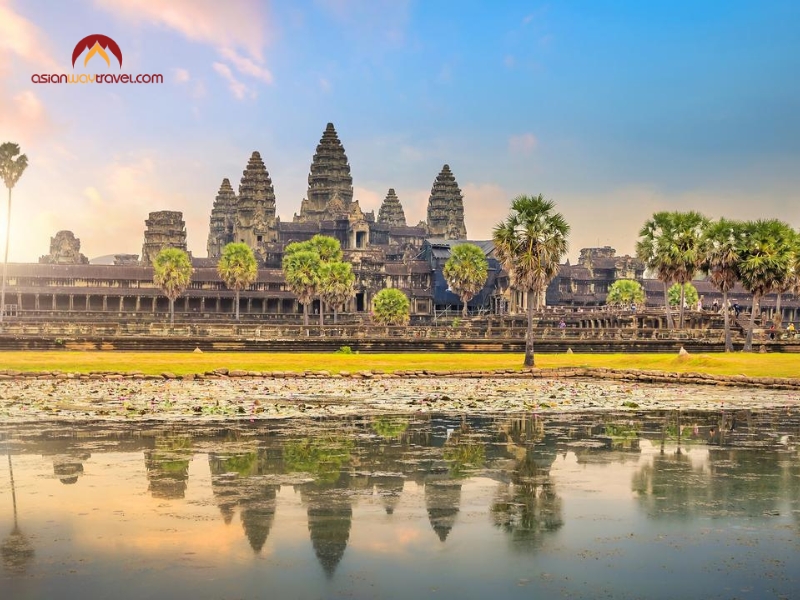
Most travelers imagine Angkor Wat at sunrise: orange light, lotus ponds, and the temple towers rising the dark. But the best time to visit Angkor Wat is not only about catching that famous first light. It is about choosing the right season, the right hour, and the right rhythm. Visit at the wrong time, and Angkor can feel hot, crowded, and rushed. Visit with a smarter plan, and the ancient temples of Siem Reap become quieter, greener, and far more memorable. Join Asianway Travel as we explore this in more detail in the article below.
When Is the Best Time to Visit Angkor Wat?
The best time to visit Angkor Wat is usually November to March, during Cambodia’s dry season. The weather is cooler, rainfall is limited, and temple walks feel more comfortable.
November to March: Best Overall Time for Comfortable Weather
November to March is the most popular period to visit Angkor Wat because the weather is easier for full-day exploration. Temperatures often sit around 21-29°C, especially in the cooler early mornings and evenings. The skies are clearer, humidity is lower, and rain is less likely to interrupt your temple route.
This season is ideal if you want classic Angkor experiences:
- Sunrise at Angkor Wat: Clearer skies improve your chance of seeing the temple reflected in the lotus pond.
- Full-day temple tours: Cooler conditions make it easier to visit Angkor Wat, Angkor Thom, Bayon, and Ta Prohm in one day.
- First-time Cambodia travel: The dry season gives you more predictable conditions, which helps if your schedule is fixed.
The main drawback is the crowd. December to February is peak season, especially around Christmas and New Year. If you want a better balance between weather and crowd level, November is one of the strongest months. The landscape still feels green after the rainy season, but visitor numbers are usually lighter than the holiday rush.
April to May: Hotter Days, Fewer Crowds, and Early Starts
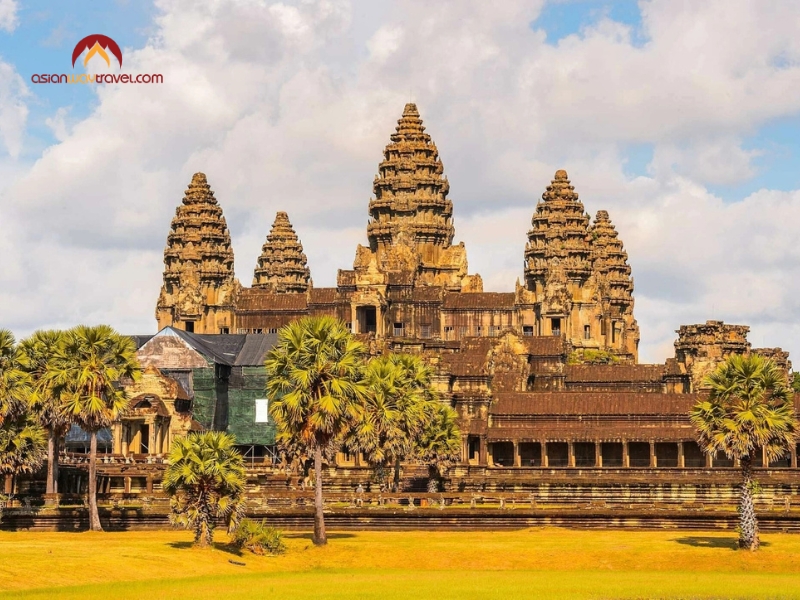
April and May bring hotter weather to Siem Reap. The temples can feel intense during midday because many areas have limited shade. If you travel in this period, the best strategy is to start early, rest at noon, and return in the late afternoon.
April can still be rewarding if you plan around the heat. It is also the month of Khmer New Year, which adds cultural energy to the trip. However, travelers who dislike high temperatures should be careful, as temple walking can become tiring after late morning.
This period works best for:
- Flexible travelers: You can adjust your sightseeing hours around the heat.
- Repeat visitors: You may focus on selected temples instead of trying to see everything.
- Cultural travelers: Khmer New Year can bring a festive local atmosphere to Siem Reap.
If you choose April or May, avoid a packed itinerary. Angkor Wat deserves time, not a race one temple gate to another.
See more: Angkor Unforgettable Tours 3 Days
June to October: Rainy Season, Green Temples and Quieter Paths
The rainy season May or June to October is often misunderstood. It does not usually mean nonstop rain all day. Many mornings remain visitable, while showers often arrive later in the afternoon. This creates a different kind of Angkor experience: quieter, greener, and more atmospheric.
The temples look beautiful after rain. Moss darkens the stone, trees feel fuller, and the moats and reservoirs can look more dramatic. Ta Prohm, with its giant roots and jungle setting, feels especially cinematic during the green season.
This season is suitable if you value:
- Fewer tourists: You can find calmer moments at popular temples.
- Lower prices: Hotels and services may offer better value outside peak season.
- Moody photography: Wet stone, cloudy skies, and green landscapes create a softer visual style.
September is usually one of the wettest months, so it is less ideal for travelers who dislike sudden downpours. But for those who accept flexibility, the low season can reveal a more intimate side of Angkor Wat.
Best Time of Day to Visit Angkor Wat and Avoid Crowds
Choosing the right month matters, but choosing the right hour can change your whole experience. Even in peak season, a smart route helps you avoid the heaviest crowds.
Sunrise at Angkor Wat: Beautiful, Iconic and Crowded
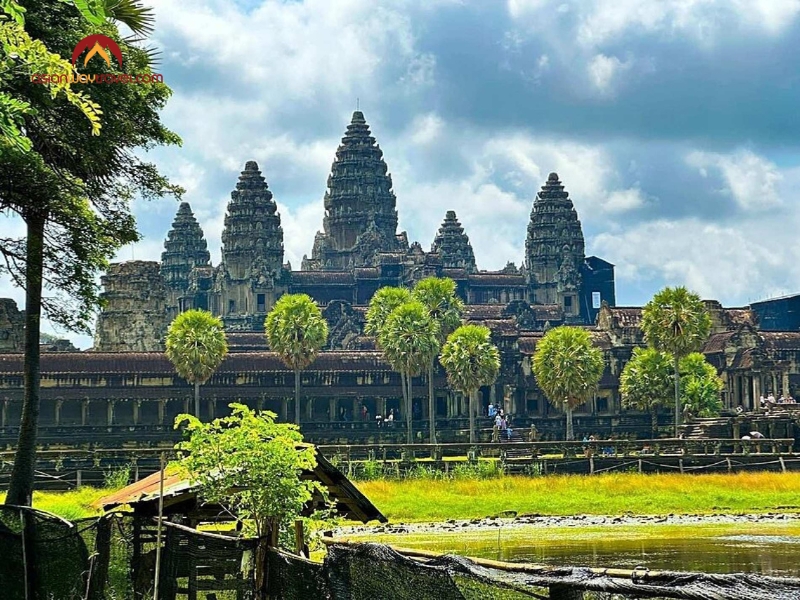
Sunrise is the most famous time to visit Angkor Wat. The view is iconic: the five towers slowly appear against the morning sky, mirrored in the temple pond. For many travelers, it is a once-in-a-lifetime scene.
However, sunrise is also the busiest moment of the day. You need to wake up early, arrive in the dark, and wait with many other visitors. During peak season, the pond area can become crowded before the sky even changes color.
Sunrise is worth it if you want the classic Angkor photo. But it is not the only way to feel the power of the temple. Sometimes, the better experience begins after the sunrise crowd moves on.
Early Morning After Sunrise: Better Light, Less Rush
After sunrise, many tour groups move quickly to breakfast or follow the same standard route. This creates an opportunity. Staying at Angkor Wat a little longer can give you softer light and more space inside the temple complex.
This is a good time to slow down. Walk through the galleries, study the bas-reliefs, and let the scale of the temple unfold. Without rushing, Angkor Wat becomes more than a silhouette in the morning sky.
A local guide can make this hour more meaningful. Instead of only pointing out photo spots, they can explain the stories carved the walls and help you move through quieter sections.
Late Afternoon: Softer Light and Fewer Tour Groups
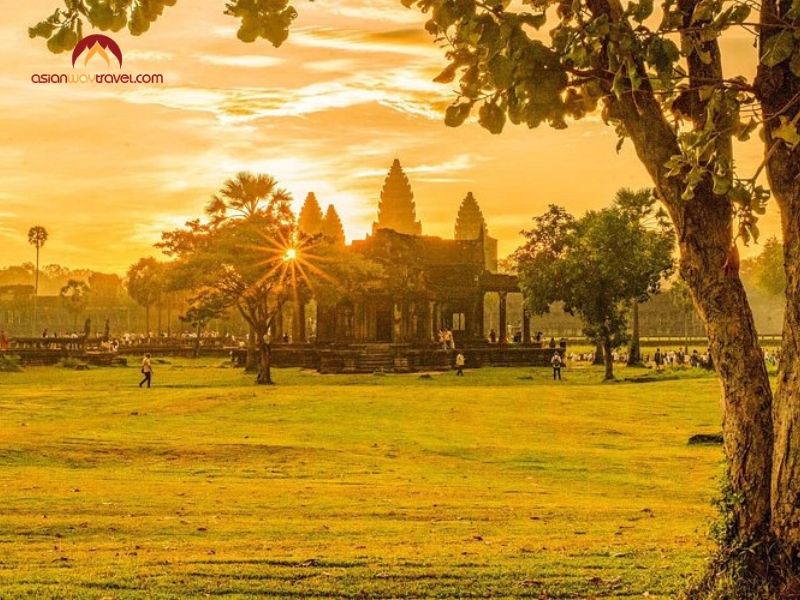
Late afternoon is another excellent time to visit Angkor Wat or nearby temples. The light becomes warmer, shadows stretch across the stone, and the atmosphere feels less hurried. Some tour groups have already left, especially those following a strict sunrise-to-midday schedule.
This time is especially good for photography. The sun is softer, faces are less harshly lit, and the sandstone glows with more texture. It is also a more comfortable period during hotter months.
Late afternoon works well for travelers who want a slower emotional rhythm. Angkor is not only impressive because it is grand. It is impressive because it changes with the light, the silence, and the way you move through it.
Angkor Wat by Season: Weather, Crowds and Travel Experience
Each season brings a different version of Angkor Wat. The best choice depends on whether you care most about comfort, photography, crowd levels, or value.
|
Season |
Months |
Weather |
Crowd Level |
Best For |
|
Cool dry season |
November-March |
Cooler, dry, clearer skies |
High, especially December-February |
First-time visitors, sunrise, full-day tours |
|
Shoulder season |
April |
Hotter, mostly dry |
Medium |
Khmer New Year, flexible travelers |
|
Green shoulder season |
October |
Lush, warm, improving weather |
Medium to low |
Photography, softer light, fewer crowds |
|
Low rainy season |
May-October |
Humid, wetter, afternoon showers |
Lower |
Value, quiet temples, green landscapes |
|
Peak rain period |
September |
Heavy rain risk, very humid |
Very low |
Flexible travelers, minimal crowds |
This table gives a simple rule: choose November to March for reliable weather, October for a strong balance of greenery and lighter crowds, and May to October if you want lower prices and a quieter experience.
See more: Secret of Angkor 4 Days
Best Months to Visit Angkor Wat for Different Travel Styles
There is no single best month for everyone. The best time to visit Angkor Wat depends on what kind of traveler you are and what kind of Cambodia experience you want.
- Best for first-time visitors: December to February
These months offer comfortable weather and the most stable conditions. They are ideal if you want the classic Angkor Wat experience without worrying much about rain. The trade-off is higher crowd levels, especially at sunrise. - Best balance month: November
November is one of the smartest choices. The dry season is beginning, the landscape still looks fresh after the rains, and crowds are often lighter than in December and January. It is a strong month for both comfort and photography. - Best for photography: November and October
October brings lush greenery after the rainy season, while November adds improving weather and clearer skies. Early mornings and late afternoons are especially beautiful, with softer light and richer temple textures. - Best for fewer crowds: May, June, September and October
These months are quieter than peak season. You need to accept heat, humidity, or rain, but the reward is space. For many travelers, fewer people around the temples can make the experience feel more personal. - Best for value: May to October
The low season can offer better hotel rates and more availability. It is a good choice if you want a more flexible, slower-paced Cambodia trip and do not mind adjusting plans around the weather.
How Many Days Do You Need for Angkor Wat?
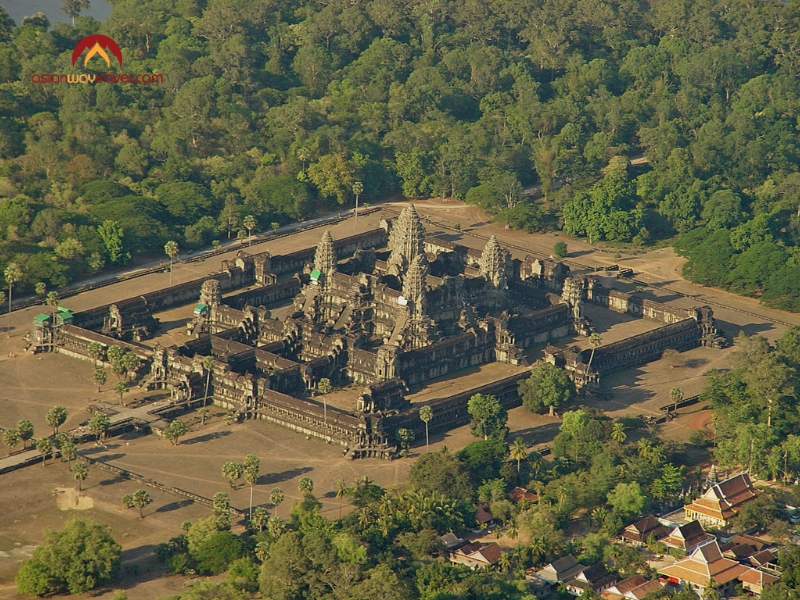
Angkor Wat should not be treated as a quick photo stop. The Angkor Archaeological Park is large, layered, and full of temples that reveal different sides of Khmer history.
For most travelers, 2 to 3 days in Siem Reap gives the best balance. One day can cover the main highlights, but it often feels rushed. Two days allow you to see the major temples with more breathing room. Three days give you time for quieter temples, local experiences, and weather flexibility.
A simple plan can look like this:
- 1 day: Best for tight schedules. Focus on Angkor Wat, Bayon, Angkor Thom, and Ta Prohm.
- 2 days: Better for most travelers. Add Banteay Srei, Preah Khan, or a sunset viewpoint.
- 3 days: Best for a deeper experience. Include lesser-known temples and adjust your route by weather and crowd levels.
Asianway Travel usually recommends at least 2 days for Angkor if your itinerary allows it. The temples are not only about seeing more. They are about seeing better.
Conclusion
The best time to visit Angkor Wat is November to March, when dry weather, cooler mornings, and clearer skies make temple exploration easier. For the best balance, November stands out because the landscape remains green and crowds are lighter than the Christmas-New Year peak.
Still, the perfect time depends on your travel style. Choose December to February for comfort, October for greenery and photography, and May to October for fewer tourists and better value. More importantly, choose the right route. Angkor Wat is not just a place to see. It is a place to feel slowly, with the right guide, the right timing, and the right pace.
Plan your Angkor Wat journey with Asianway Travel today. Share your travel month, pace, and style with our local experts — we will craft a tailor-made Cambodia itinerary that helps you see Angkor at the right time, in the right way.