
Best Food in Laos: 12 Must-Try Dishes for First-Time Travelers
Laos does not shout for attention like Bangkok, Bali, or Hanoi. It works more like a quiet kitchen at dusk, where smoke curls a grill, sticky rice warms inside a bamboo basket, and herbs snap fresh between your fingers. The best food in Laos is not about luxury plating or viral restaurant lists. It is about slow meals, local markets, family recipes, riverside grills, and flavors that stay with you after the trip ends. For first-time travelers, Lao cuisine is one of Southeast Asia’s most underrated and worthy experiences. Join Asianway Travel as we explore this in more detail in the article below.
Why Laos Food Deserves a Place on Your Southeast Asia Trip
Lao cuisine may feel quieter than Thai or Vietnamese food, but that is exactly where its charm begins. It is rustic, herbal, smoky, and closely tied to local life, making every meal part of the travel experience.
Lao food is built around sticky rice, fresh herbs, grilled meat, river fish, fermented sauces, and simple cooking methods. The flavors feel honest and grounded, not overly polished for tourists.
It is also different other Southeast Asian cuisines. Lao cuisine is usually less sweet than Thai food and more earthy than Vietnamese food. It leans smoke, spice, herbs, sticky rice, and fermented depth.
Food in Laos also follows the slow rhythm of the country. A bowl of khao soi in Luang Prabang, grilled fish by the Mekong, or a market dinner in Vientiane can turn a simple meal a lasting memory. This is why the best food in Laos is not only about taste, but also about place, pace, and local connection.
Best Food in Laos: 12 Dishes You Should Not Miss
These dishes offer the clearest introduction to Lao cuisine, national classics to local comfort food and market favorites.
Khao Niaw – Lao Sticky Rice
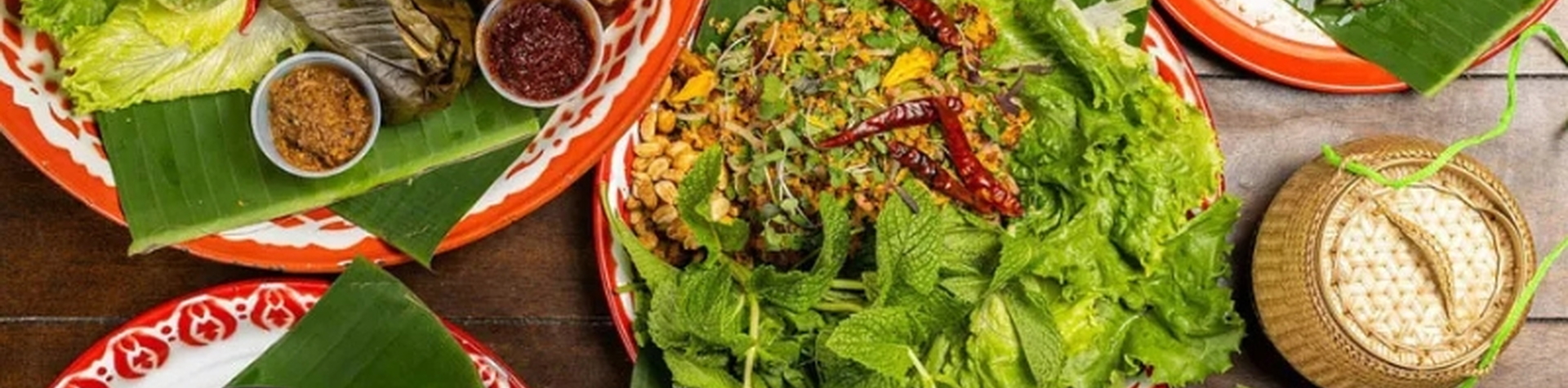
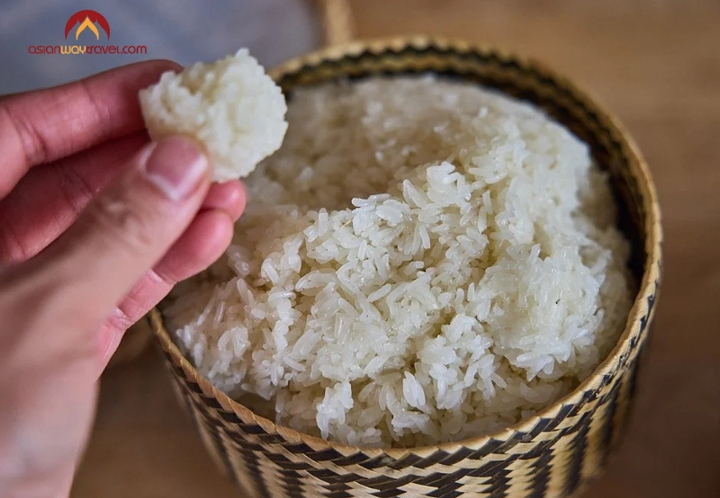
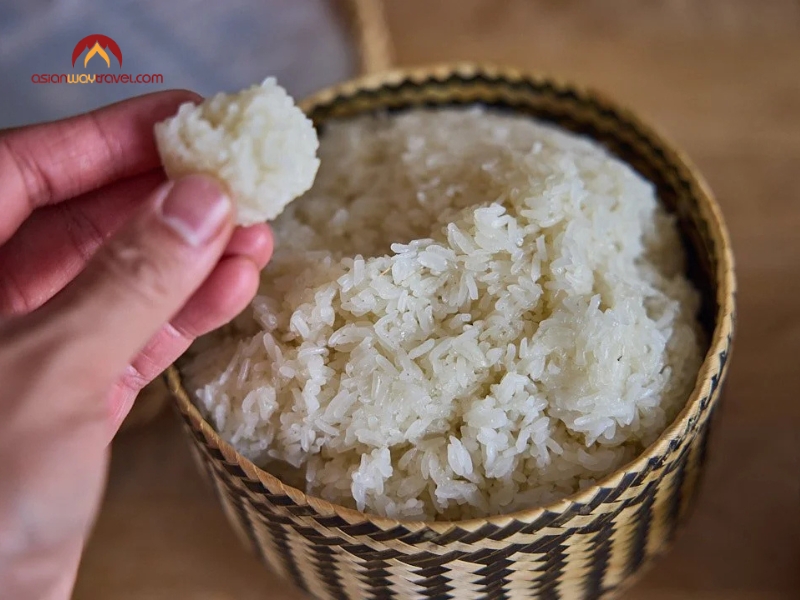
Khao niaw, or Lao sticky rice, is the heart of almost every traditional meal. It is served in small woven bamboo baskets and eaten with the hands. Locals roll a small piece a ball, then use it to pick up dips, meat, fish, or salad.
Sticky rice is more than a side dish in Laos. It is part of the country’s identity. The texture is firm, warm, and slightly chewy, making it perfect for strong flavors like jaew bong, laap, grilled chicken, or tam mak hoong.
For first-time travelers, this is the best place to begin. Once you understand sticky rice, the rest of Lao food starts to make more sense.
Laap or Larb – The National Dish of Laos
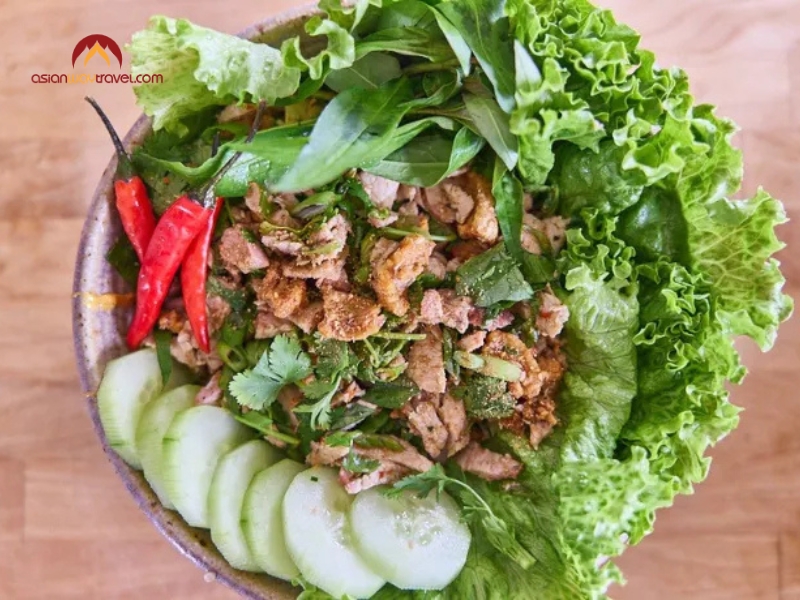
Laap, often written as larb, is widely known as the national dish of Laos. It is usually made with minced meat, fish, or chicken, then mixed with lime juice, chili, herbs, fish sauce, and toasted rice powder.
The magic of laap comes contrast. The meat gives richness, lime adds sharpness, herbs bring freshness, and toasted rice creates a nutty texture. It tastes bright, spicy, and deeply aromatic at the same time.
Travelers should try laap early in the trip because it introduces the core language of Lao cuisine. It shows how simple ingredients can become powerful when herbs, acid, heat, and texture work together.
See more: Laos Highlights 12 Days
Tam Mak Hoong – Lao Green Papaya Salad
Tam mak hoong is the Lao version of green papaya salad, but it is not simply a copy of Thai som tam. The Lao style is often bolder, saltier, and more fermented, especially when made with padaek.
The dish combines shredded green papaya, chili, lime, garlic, tomato, fish sauce, and fermented seasoning. It is usually pounded in a mortar, creating a sharp, crunchy salad with real intensity.
Tam mak hoong is best eaten with sticky rice, grilled chicken, or pork crackling. The rice helps soften the heat, while the grilled meat adds smoke and richness. Ask for less chili if you are not used to spicy food.
.jpg)
Mok Pa – Steamed Fish in Banana Leaf
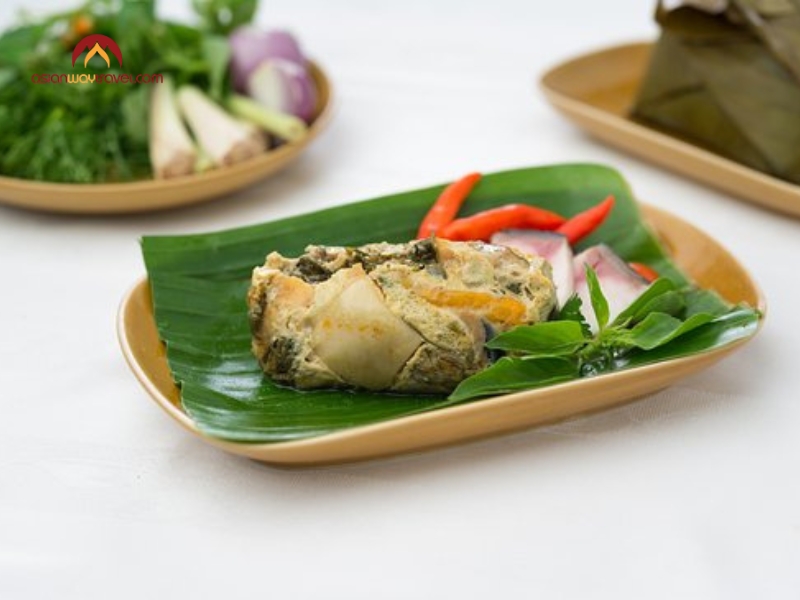
Mok pa is one of the most approachable dishes for first-time travelers in Laos. It is made by mixing fish with herbs, lemongrass, dill, chili, and local seasoning, then wrapping everything in banana leaf before steaming.
The result is soft, fragrant, and comforting. The banana leaf traps the steam and keeps the fish moist, while the herbs create a clean, fresh aroma. It is flavorful without being too heavy or too spicy.
This dish is especially fitting in a country shaped by rivers. Whether near the Mekong or in a quiet local restaurant, mok pa gives travelers a gentle way to taste Lao herbs, freshwater fish, and traditional cooking.
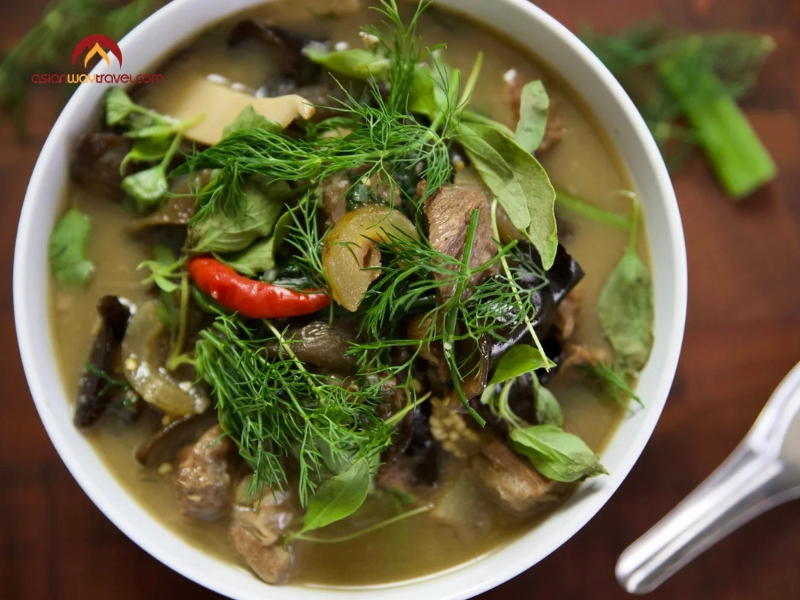
Or Lam – Luang Prabang Stew
Or lam is a traditional stew closely associated with Luang Prabang. It often includes meat, eggplant, mushrooms, herbs, vegetables, and local spices. Some versions use sakhan, a peppery forest vine that gives the stew a warming sensation.
This is not a fast, flashy dish. Or lam feels like slow food the mountains, cooked for depth rather than speed. The taste is earthy, slightly smoky, and rich with local vegetables.
For travelers visiting Luang Prabang, or lam is a meaningful dish to try because it carries a sense of place. It reflects the old royal town’s slower pace, local ingredients, and deep culinary heritage.
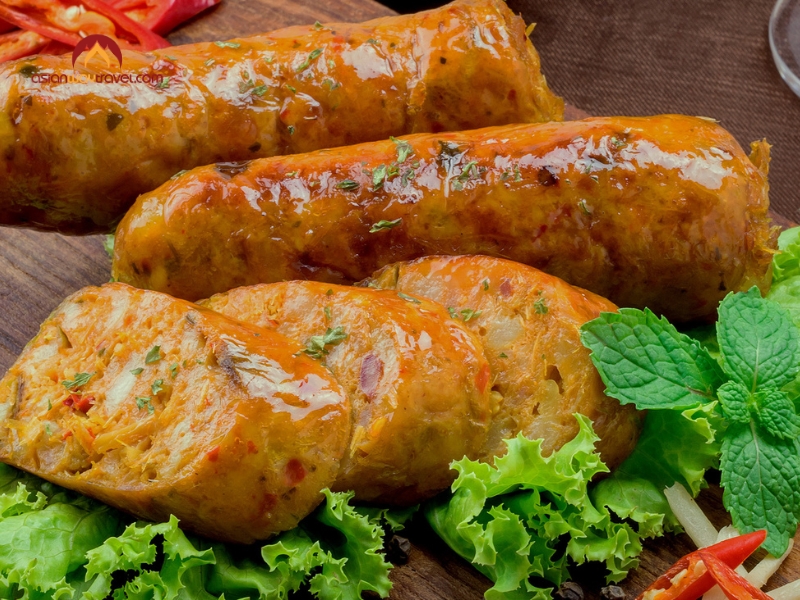
Sai Oua or Sai Gok – Lao Sausage
Lao sausage is one of the most satisfying foods to find at a night market or local grill. It is usually made with pork, lemongrass, garlic, chili, herbs, and sometimes sticky rice, then grilled until the outside turns smoky and slightly crisp.
The flavor is bold but easy to enjoy. Each bite gives a mix of fat, herbs, salt, smoke, and spice. It works well as a snack, a shared plate, or part of a larger Lao meal.
Sai oua or sai gok is also a great example of how Lao food uses fire. The grill does not just cook the sausage. It creates the aroma that draws people toward the stall before they even see the food.
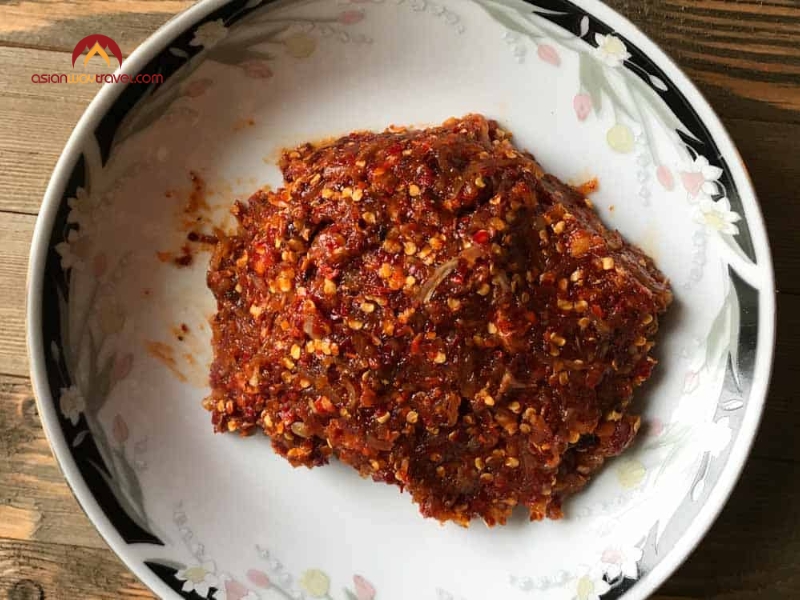
Jaew Bong – Spicy Chili Dip
Jaew refers to Lao dipping sauces, and jaew bong is one of the most famous. It is usually made with chili, garlic, galangal, fermented ingredients, and sometimes shredded dried buffalo skin.
The flavor is spicy, salty, smoky, and slightly sweet. It is not meant to be eaten alone. Instead, locals use sticky rice to scoop a small amount, then pair it with vegetables, grilled meat, or fish.
Jaew bong helps travelers understand why sticky rice is so important in Laos. The rice becomes the tool, the balance, and the comfort. With jaew bong, even a simple bite can carry real depth.
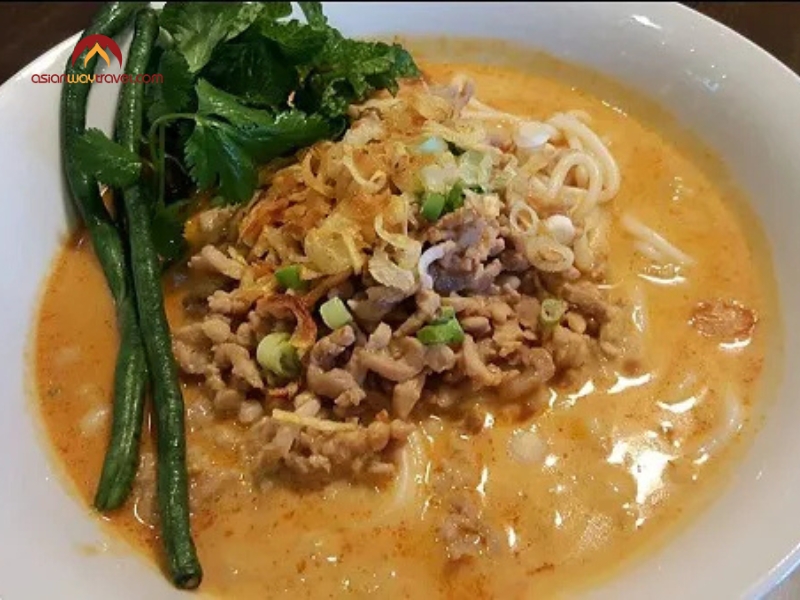
Khao Soi Laos – A Northern Noodle Soup
Khao soi in Laos is different the creamy curry noodle soup many travelers know Northern Thailand. Lao khao soi is often lighter, clearer, and topped with a rich minced meat and tomato sauce.
The dish is especially popular in northern Laos and Luang Prabang. It often includes flat rice noodles, herbs, broth, chili, fermented soybean, and a savory meat topping. The result feels warming without being too heavy.
This is an excellent breakfast or lunch dish for travelers. It offers the comfort of noodle soup while still carrying a distinctly Lao flavor. Try it at a simple local shop rather than a polished tourist restaurant.
Khao Poon – Lao Rice Vermicelli Soup
Khao poon is a rice vermicelli soup with a fragrant, often spicy broth. Depending on the version, it may include chicken, fish, pork, coconut milk, herbs, banana blossom, cabbage, lime, and chili.
The dish feels generous and layered. The broth can be creamy, spicy, and herbal, while the fresh vegetables add crunch and brightness. It is a good choice for travelers who enjoy noodle soups but want something different pho or ramen.
Khao poon also works well as a bridge dish. It feels familiar enough for first-time visitors, yet the herbs, spice, and local toppings make it clearly Lao.
Ping Gai – Lao Grilled Chicken
Ping gai is Lao grilled chicken, often marinated with garlic, lemongrass, fish sauce, pepper, and local spices. It is grilled over charcoal until the skin becomes golden, smoky, and slightly crisp.
This dish is simple, but the experience can be unforgettable. The smell of chicken over hot coals, the sound of sizzling fat, and the first bite with sticky rice create a classic Lao food moment.
Ping gai is best enjoyed with tam mak hoong and khao niaw. Together, they create one of the most iconic meal combinations in Laos: smoky chicken, spicy papaya salad, and warm sticky rice.
See more: Laos Honeymoon Vacation 13 Days
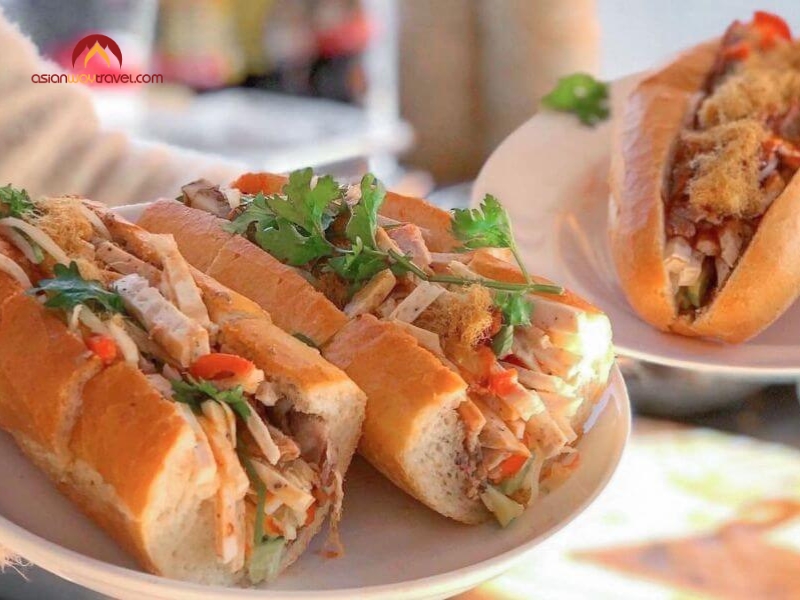
Khao Jee – Lao Baguette Sandwich
Khao jee shows the French influence in Laos, but the local version has its own character. It is usually made with a crisp baguette filled with meat, pâté, vegetables, chili sauce, herbs, or egg.
This is a practical and delicious breakfast option in Vientiane or Luang Prabang. Pair it with strong Lao coffee, and you get a simple morning scene that feels both local and historical.
Khao jee is also useful for travelers who want an easy meal between sightseeing stops. It is familiar, affordable, and widely available, but still connected to the country’s colonial and street food culture.
Lao Coffee – A Taste of the Bolaven Plateau
Lao coffee deserves a place on any food journey through the country. Much of the best coffee comes the Bolaven Plateau in southern Laos, where the cooler climate and volcanic soil support coffee farming.
The taste can be strong, earthy, and slightly chocolatey. Travelers may find it served black, with condensed milk, iced, or brewed in a simple local style. It is especially enjoyable after a market breakfast or during a slow afternoon break.
For those visiting Pakse and the Bolaven Plateau, coffee becomes more than a drink. It connects the journey to waterfalls, plantations, small villages, and the agricultural life of southern Laos.
Experience Laos Through Food with Asianway Travel
A memorable Laos journey should not only include temples, waterfalls, caves, and river views. It should also include the right meals, in the right places, with the right stories.
Asianway Travel designs Laos trips around real local experiences. That means travelers can taste laap in a trusted local restaurant, walk through a market with someone who understands the ingredients, enjoy coffee in the Bolaven Plateau, or try a riverside dinner after a slow day on the Mekong.
With local experience, tailor-made planning, and more than 20 years of expertise in Southeast Asia, Asianway Travel helps turn food part of the journey. Your itinerary can be adjusted for comfort, spice level, food interests, travel pace, and preferred destinations.
For travelers who want more than a standard sightseeing route, food is one of the best ways to feel Laos the inside.
Final Thoughts on the Best Food in Laos
The best food in Laos is not loud, polished, or designed only for photos. It is smoky, herbal, sticky, spicy, fresh, and deeply connected to local life. khao niaw and laap to mok pa, khao soi, jaew bong, and Lao coffee, each dish gives travelers a different way to understand the country.
Laos may not compete with Bangkok for global food fame or Bali for lifestyle buzz. But for travelers who want a worthy experience, it offers something quieter and more lasting: meals that feel honest, local, and close to the land.
Plan your Laos journey with Asianway Travel and taste the country beyond the menu. Eat the right dishes, meet the right local voices, and experience Laos through flavors you will remember long after the trip ends.