
14-Day Thailand and Vietnam Tour: A Culinary Journey Through Southeast Asia
A well-planned Thailand and Vietnam tour should offer more than a collection of famous landmarks. Food markets, family-run kitchens, farming villages and street stalls often reveal more about local life than major attractions alone. This 14-day journey connects Hanoi, Halong Bay, Hoi An, Ho Chi Minh City, Chiang Mai and Bangkok through cultural visits and hands-on culinary experiences. Travelers can explore traditional crafts, cook with regional ingredients and taste local dishes in the neighborhoods where they developed. Let's explore this further with AsianWay Travel in this article.
14-Day Thailand and Vietnam Tour Itinerary
This itinerary begins in northern Vietnam, continues through the country’s central and southern regions, then moves to Chiang Mai and Bangkok. Flights between major destinations reduce long overland transfers and keep the journey practical within two weeks.
Days 1–4: Discover Hanoi, Bat Trang and Halong Bay
The first part of the tour introduces northern Vietnamese culture through Hanoi’s historic streets, a traditional craft village and the limestone landscapes of Halong Bay.
Day 1: Arrival in Hanoi
After arriving at Noi Bai International Airport, you will transfer to your hotel in central Hanoi. The rest of the day is available for relaxation or a short independent walk.
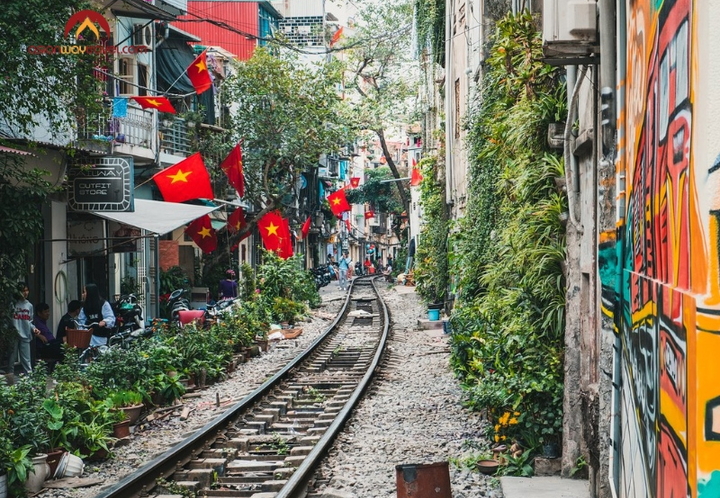
Hanoi provides a suitable starting point because much of its traditional life remains visible in the city center. Small restaurants serve bowls of noodles beside old shop-houses, while vendors carry fruit and flowers through streets filled with motorbikes.
Day 2: Hanoi full-day city tour
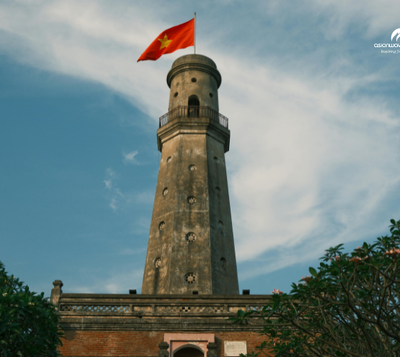
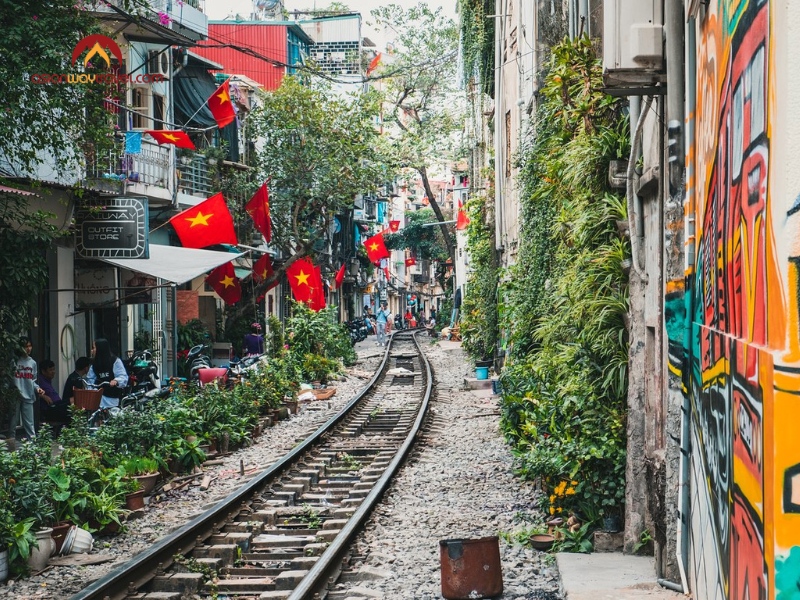
The city tour explores Hanoi’s history, architecture and everyday culture. Depending on the final program, visits may include significant monuments, temples, museums and the Old Quarter.
Unlike cities built around modern commercial districts, Hanoi’s identity is closely tied to its older neighborhoods. Religious buildings, colonial architecture and local businesses often stand within the same compact area. Walking through these streets provides a direct view of how the city has developed without completely replacing its earlier character.
The day also offers an introduction to northern Vietnamese cuisine. Hanoi food generally emphasizes clear broths, fresh herbs and balanced seasoning rather than heavy spice.
See more: Cruises to Vietnam and Cambodia: Best Mekong River Journeys
Day 3: Bat Trang Ceramic Village
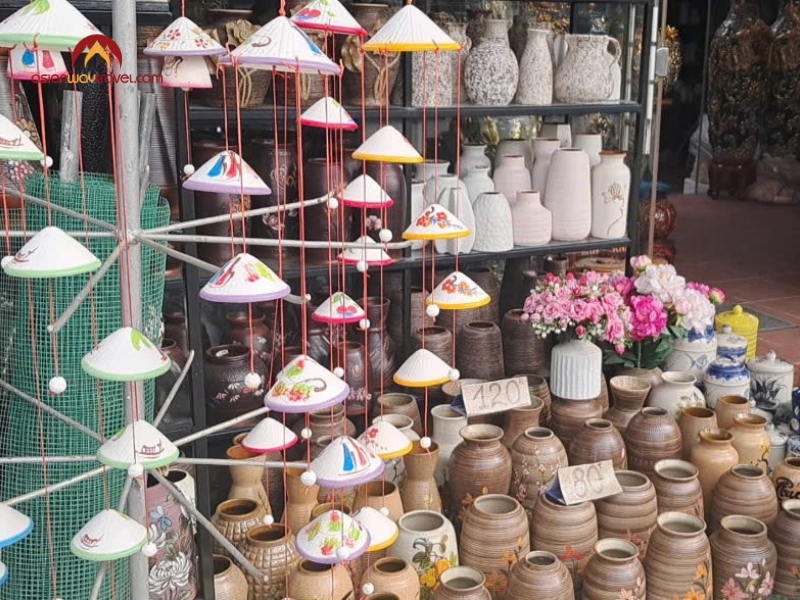
Travel outside central Hanoi to Bat Trang, a village known for its long-established ceramic industry. Visitors can see workshops, browse local products and learn how clay is shaped, decorated and fired.
Bat Trang adds an important rural and cultural element to the journey. Rather than viewing ceramics only in shops or museums, travelers can observe the production process within the community where the craft continues to support local families.
The village setting also offers a quieter contrast to Hanoi. Narrow lanes lead past kilns, studios and houses where pottery is displayed along walls and doorways.
Day 4: Hanoi to Halong Bay
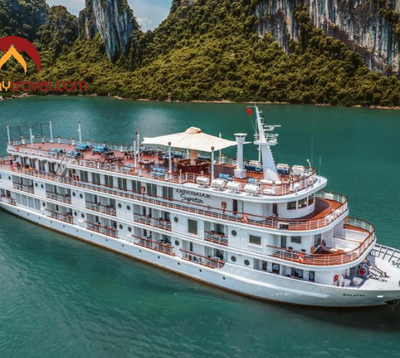
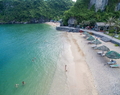
Leave Hanoi for Halong Bay and board an overnight cruise. After lunch on board, the cruise usually continues through areas surrounded by limestone islands and sheltered water.
Halong Bay changes the pace of the tour. Instead of city traffic and busy pavements, travelers spend the afternoon moving slowly between karst formations. Depending on the cruise schedule, activities may include cave visits, kayaking, swimming or a cooking demonstration.
Dinner and an overnight stay on the cruise allow guests to experience the bay after many day-trip boats have left.
Days 5–7: Explore Hoi An and Cook with Local Ingredients
Central Vietnam introduces a different culinary identity. Hoi An combines historic merchant architecture with nearby farming communities, making it one of the strongest food-focused stops on this itinerary.
Day 5: Halong Bay to Hoi An
Begin the morning on Halong Bay before returning to the port. You will then travel back to Hanoi for a flight to Danang and continue by road to Hoi An.
This is one of the longer travel days, but flying avoids a lengthy train or road journey between northern and central Vietnam. After checking in, the evening can be used for rest or an independent walk beside the Thu Bon River.
Day 6: Hoi An Ancient Town walking tour
Explore Hoi An’s historic center on foot. The town developed as an international trading port, and its architecture reflects Vietnamese, Chinese, Japanese and European influences.
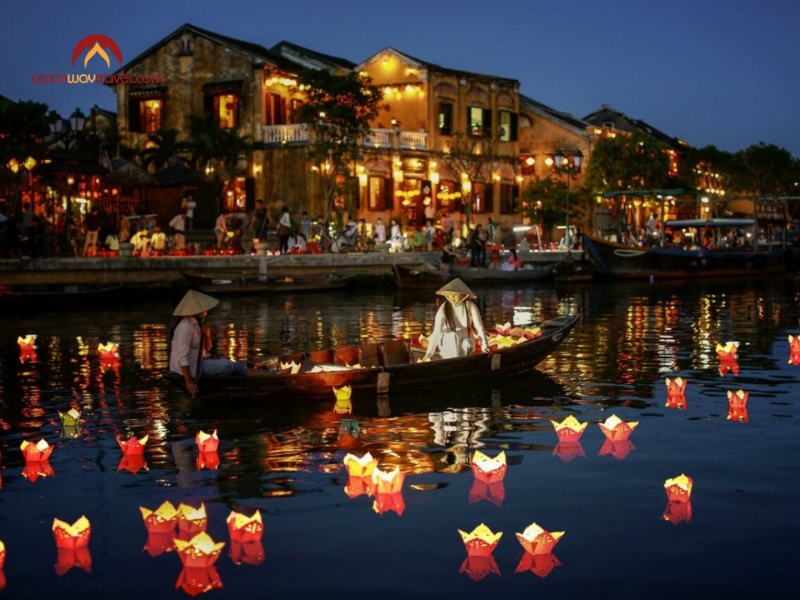
Wooden merchant houses, assembly halls and temples line streets where motorized traffic is limited during parts of the day. In the evening, lanterns appear above the lanes and along the river, changing the atmosphere without hiding the town’s historic structure.
Hoi An also has a distinct regional food culture. Local dishes often use fresh herbs, rice noodles, pork, seafood and vegetables grown in nearby villages. Specialities such as cao lau are closely connected to the town and are difficult to reproduce in the same context elsewhere.
Day 7: Cam Thanh basket boat and Tra Que cooking class
Travel to Cam Thanh, where coconut waterways run between local communities. A bamboo basket boat ride provides a closer look at an area traditionally connected to fishing and water-based livelihoods.
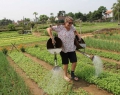
The journey then continues to Tra Que Vegetable Village. Here, farmers grow herbs and vegetables used in homes and restaurants around Hoi An. The experience links the final dish to its ingredients rather than presenting cooking as an isolated activity.
During the cooking class, participants learn how to prepare selected Vietnamese dishes with guidance a local instructor. The practical format helps travelers understand preparation methods, seasoning and ingredient combinations that may not be obvious when ordering a menu.
See more: 14 Days Vietnam & Thailand Cuisine Journey
Days 8–9: Taste Southern Vietnam in Ho Chi Minh City and the Mekong Delta
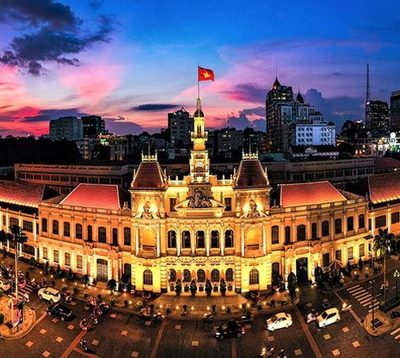
Southern Vietnamese cuisine reflects a warmer climate, fertile agricultural areas and wider use of tropical produce. Ho Chi Minh City and the Mekong Delta show two different sides of this food culture.
Day 8: Fly to Ho Chi Minh City and join a motorbike food tour
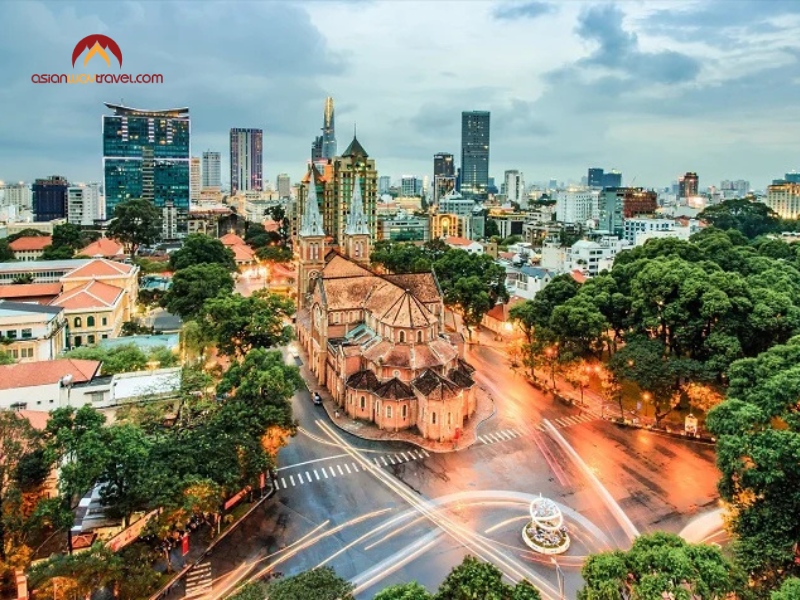
Transfer to Danang Airport for the flight to Ho Chi Minh City. Later, join a guided motorbike food tour through local neighborhoods.
The motorbike format is particularly suitable for Ho Chi Minh City. It allows visitors to move through smaller streets, stop at several food locations and experience the same transport system used by many residents each day.
Instead of remaining around central tourist areas, the tour can introduce local stalls, informal restaurants and regional dishes. Smoke rises pavement grills, metal bowls strike against cooking stations and traffic continues around compact dining spaces.
The experience is not only about tasting several foods. It also shows how meals are prepared, served and shared within the city’s fast daily rhythm.
Day 9: Mekong Delta excursion
Leave Ho Chi Minh City for the Mekong Delta, a region shaped by rivers, canals and agricultural production. Depending on the program, the day may include boat trips, village visits, orchards or local workshops.
The Mekong Delta supplies rice, fruit, fish and other ingredients used throughout southern Vietnam. Visiting the area helps travelers understand the relationship between regional food and the waterways that support farming and trade.
Boats move past riverside houses, tropical fruit grows close to narrow canals and small producers continue to make local goods using established methods. The experience provides a rural contrast to the previous evening in Ho Chi Minh City.
Days 10–11: Fly to Chiang Mai and Learn Northern Thai Cooking
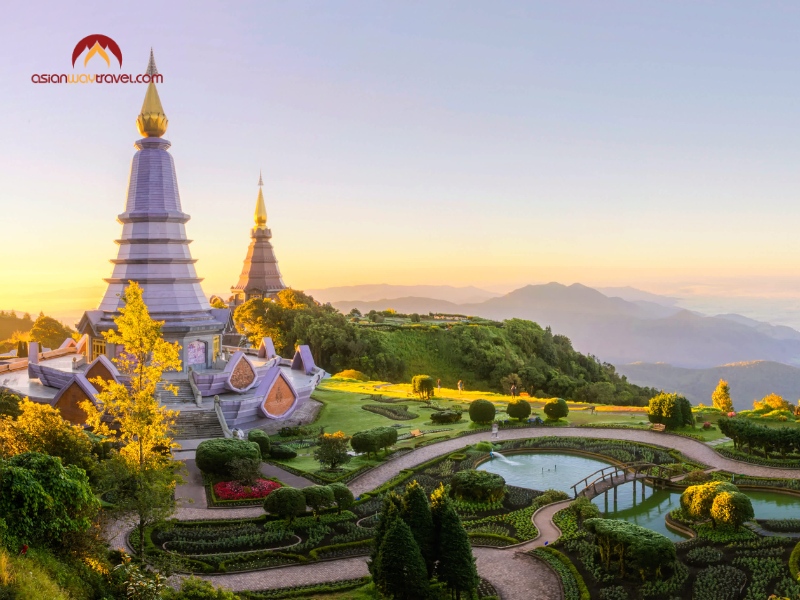
Chiang Mai offers a calmer introduction to Thailand than Bangkok. Its cuisine uses herbs, spices and cooking traditions associated with the country’s northern region.
Day 10: Ho Chi Minh City to Chiang Mai
Transfer to the airport for the flight to Chiang Mai. After arrival, continue to the hotel and spend the remaining time at leisure.
Chiang Mai has a slower pace than Ho Chi Minh City, particularly around its old town and residential areas. Temples, markets and small restaurants are spread across a relatively manageable urban area.
Visitors may notice that northern Thai food differs dishes commonly served in international Thai restaurants. Local recipes often reflect influences neighboring regions and use different noodles, herbs, sausages and curry styles.
Day 11: Thai farm cooking class
Join a group cooking experience at a Thai farm. The activity may begin with an introduction to local ingredients at a market or on the farm itself.
Participants can examine herbs, vegetables, spices and sauces before preparing several dishes. This is important because Thai cooking depends on balancing strong flavors rather than adding one dominant seasoning.
The class usually allows guests to practice techniques such as preparing curry paste, cooking noodles or adjusting sweet, sour, salty and spicy elements. Eating the dishes afterward makes it easier to connect each cooking step with the final result.
Days 12–14: Bangkok Street Food, Temples and Departure
The final stage combines Bangkok’s historic landmarks with its busy evening food culture. The city provides a strong contrast to Chiang Mai while continuing the culinary theme.
Day 12: Fly to Bangkok and explore street food by tuk-tuk
Fly Chiang Mai to Bangkok and transfer to the hotel. In the evening, join a street-food tour by tuk-tuk.
Bangkok’s large size makes the tuk-tuk tour a practical way to connect several districts and food stops within one evening. The route may include markets, roadside kitchens, dessert shops or late-night dining areas.
Cooking flames rise beside traffic, vendors prepare dishes to order and tables fill quickly with local diners. Moving between stops also provides a view of Bangkok after dark, when temples, shophouses and busy roads create a different atmosphere the daytime city.
Day 13: Bangkok city tour
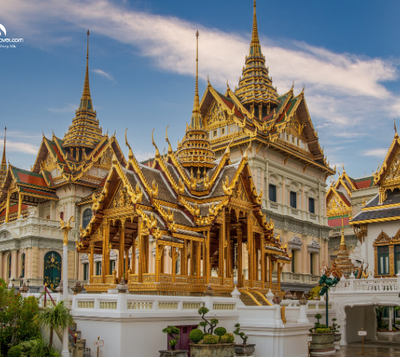
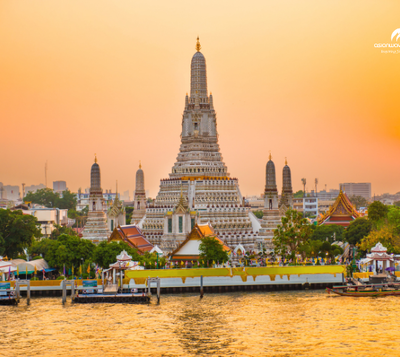
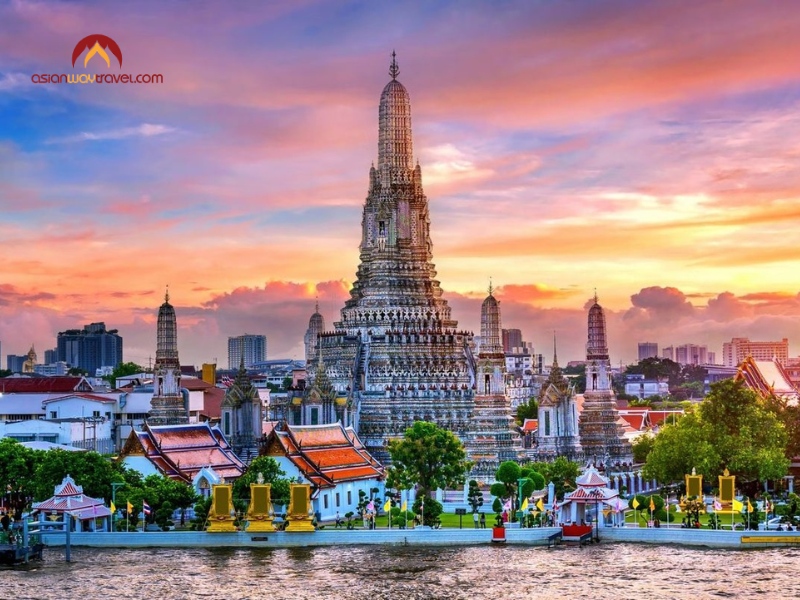
Spend the day exploring Bangkok’s cultural and historical landmarks. The program may include important temples, palace areas, riverside sites and established neighborhoods.
Bangkok is often associated with shopping centers and nightlife, but its older districts remain essential to understanding the city. Religious compounds, canals and traditional commercial streets show how Bangkok developed around the Chao Phraya River.
After several days focused on cooking and food tours, the city tour places those culinary experiences within a broader cultural setting.
Day 14: Bangkok departure
Transfer to the airport for your onward flight. The Thailand and Vietnam tour ends after covering six major destinations and several distinct regional food cultures.
Best Time for a Thailand and Vietnam Tour
There is no single month that guarantees identical weather across every destination. Northern, central and southern Vietnam have different seasonal patterns, while Chiang Mai and Bangkok can also experience different temperatures and rainfall.
Travelers should choose dates based on their main priorities. Those who prefer cooler conditions may focus on the drier months in northern Vietnam and northern Thailand. Travelers who accept occasional rain may encounter fewer visitors in some destinations.
Because the itinerary includes internal flights, cruises and outdoor activities, weather conditions should be reviewed before confirming the final departure date.
Plan Your Thailand and Vietnam Tour with Asianway Travel
This 14-day journey is designed for travelers who want to understand Vietnam and Thailand through both cultural landmarks and regional food. It combines Hanoi’s traditional neighborhoods, Hoi An’s farming villages, southern Vietnam’s street-food culture, Chiang Mai’s farm cooking and Bangkok’s evening markets within one structured route.
With more than 20 years of local travel experience, Asianway Travel can adjust the 14 Days Vietnam & Thailand Cuisine Journey to match your preferred travel pace, hotel category, food interests and departure dates. Contact our local specialists for a tailored itinerary and quotation for your Thailand and Vietnam tour.