
Hoi An Ancient Town Guide: Best Attractions, Food, Souvenirs and Travel Tips
Hoi An Ancient Town is not a place you simply visit. It is a place that slowly pulls you its rhythm. With Asianway Travel, travelers can see beyond the famous lanterns and discover the living heritage behind yellow walls, wooden houses, riverside markets and quiet temples. Once a thriving trading port the 15th to the 19th century, Hoi An still carries the layered charm of Vietnam, Japan, China and Europe in every street corner. This guide helps you plan what to see, eat, buy and experience in Hoi An Ancient Town. Join Asianway Travel as we explore this in more detail in the article below.
About Hoi An Ancient Town in Vietnam
Hoi An Ancient Town is one of Vietnam’s most atmospheric heritage destinations, known for its preserved architecture, riverside life and slow travel appeal.

Introduction to Hoi An Ancient Town
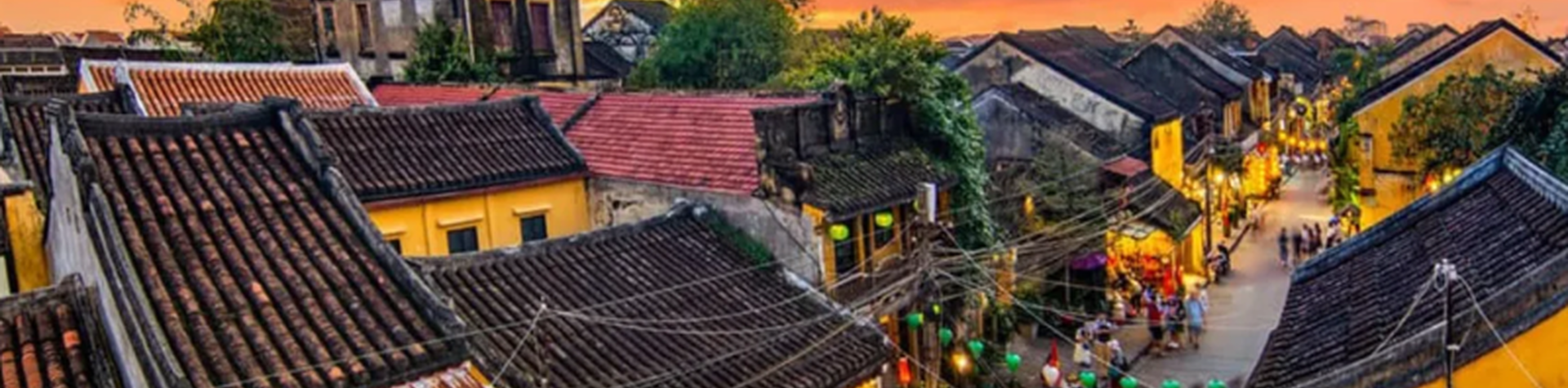
Hoi An Ancient Town sits in Central Vietnam and was once a major Southeast Asian trading port. UNESCO recognizes it as an exceptionally well-preserved example of a traditional trading port the 15th to the 19th century. Its street plan, wooden buildings and mixed cultural influences still reflect that history today.
Unlike Bangkok’s rush or Bali’s resort-heavy rhythm, Hoi An feels smaller, softer and more intimate. You do not come here for skyscrapers or nightlife. You come for the sound of bicycles on narrow lanes, the smell of incense near old temples and the glow of lanterns trembling over the Hoai River.
Where Is Hoi An Ancient Town?
Hoi An Ancient Town is located in Quang Nam Province, about 30 kilometers Da Nang. Most international travelers arrive through Da Nang International Airport, then continue to Hoi An by private car, taxi, shuttle or guided transfer.
The town center is compact and walkable. Many visitors choose to stay near the Ancient Town for evening walks, while others stay closer to An Bang Beach for a mix of culture and relaxation. For first-time visitors, staying within easy reach of the Old Town makes the experience smoother.
See more: Best Time to Visit Vietnam: When Is the Best Season to Travel to Vietnam?
Entrance Fees, Opening Hours and Best Time to Visit
Visitors can walk around many streets of Hoi An Ancient Town freely, but an Old Town ticket is required to enter selected heritage sites. Recent local tourism information lists the ticket at around 120,000 VND for international visitors, with access to selected monuments and museums.
Pedestrian hours usually apply in the Ancient Town during the day and evening, helping visitors enjoy the streets without heavy vehicle traffic. Updated tourism information lists pedestrian hours around 09:00 to 21:00 or 21:30, depending on the season.
The best time to visit Hoi An is February to July, when the weather is generally drier and more comfortable. Early morning is ideal for photos and quiet walks, while evening is best for lanterns, river views and street food.
.png)
Best Attractions in Hoi An Ancient Town
The best attractions in Hoi An Ancient Town are close enough to explore on foot, but each place reveals a different layer of the town.
Hoai River and Lantern Boat Experience
The Hoai River is the emotional center of Hoi An Ancient Town. By day, it reflects old houses, market stalls and slow-moving boats. By night, it becomes a ribbon of light, with lanterns glowing red, gold and purple along the water.
A short lantern boat ride is one of the most memorable experiences in Hoi An. It may feel touristy, but it still captures something unique about the town. The water moves slowly, vendors call softly the riverbank and small paper lanterns drift like wishes across the surface.
For the best experience, arrive around sunset instead of late evening. You will catch the transition golden light to lantern glow, while avoiding the densest crowd.
Japanese Covered Bridge and Historic Architecture
The Japanese Covered Bridge, also known as Chua Cau, is one of the most iconic landmarks in Hoi An Ancient Town. It reflects the Japanese influence that shaped Hoi An during its trading-port era.
The bridge is more than a photo stop. Its wooden structure, tiled roof and small temple space show how architecture in Hoi An combines function, belief and cross-cultural exchange. It connects streets, communities and histories in one compact structure.
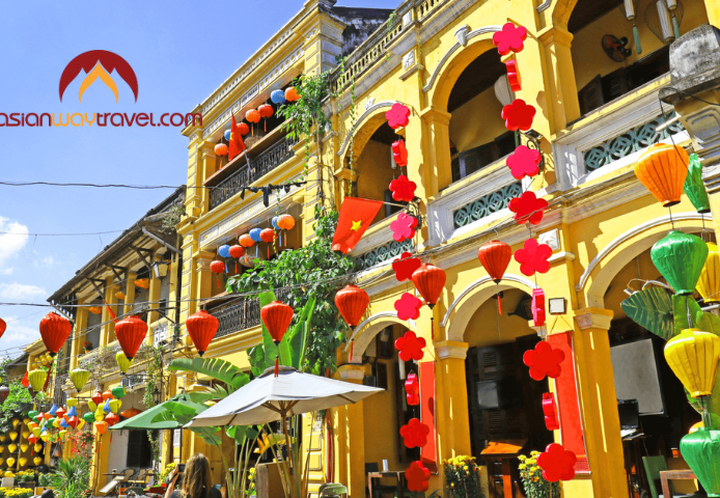
Around the bridge, visitors can continue narrow lanes lined with ochre walls, timber balconies and old merchant houses. This is where Hoi An becomes most photogenic, but also most meaningful when explored with context.
Assembly Halls, Ancient Houses and Temples
Hoi An’s assembly halls, ancient houses and temples show how merchants, families and communities shaped the town over centuries. These sites are usually included among the ticketed heritage attractions.
The Fujian Assembly Hall is one of the most impressive stops, with ornate gates, dragon details and incense-filled courtyards. Cantonese Assembly Hall offers another view of Chinese community life in old Hoi An.
Ancient houses such as Tan Ky House reveal how merchant families lived and traded. The interiors often include dark wooden beams, inner courtyards and details designed for both business and family life.
Sacred temples add another layer to the journey. They remind visitors that Hoi An is not only a beautiful backdrop, but also a town where belief, trade and daily life once moved together.
.png)
See more: Vietnam Tour
What to Eat in Hoi An Ancient Town
Hoi An’s food scene is one of the strongest reasons to stay longer. The town’s flavors are local, affordable and deeply connected to Central Vietnam.
Here are the must-try dishes in Hoi An Ancient Town:
-
Cao Lau: Hoi An’s signature noodle dish, made with thick noodles, pork, herbs and crispy toppings. Its flavor is earthy, smoky and difficult to find elsewhere.
-
White Rose Dumplings: Delicate steamed dumplings filled with shrimp or pork, often served with crispy shallots and dipping sauce.
-
Mi Quang: A Central Vietnamese noodle dish with turmeric noodles, herbs, peanuts, rice crackers and a small amount of rich broth.
-
Banh Mi Hoi An: A crisp Vietnamese baguette filled with meat, herbs, pâté, pickles and sauce. Hoi An is often praised for some of Vietnam’s best banh mi.
-
Com Ga Hoi An: Fragrant chicken rice served with shredded chicken, herbs, onions and chili sauce. It is simple, filling and full of local character.
-
Vietnamese coffee: Try egg coffee, coconut coffee or traditional iced milk coffee in a balcony café overlooking the old streets.
What to Buy in Hoi An Ancient Town
Shopping in Hoi An is not just about souvenirs. It is part of the town’s identity, especially through lantern-making, tailoring and handmade crafts.
Good items to buy in Hoi An Ancient Town include:
-
Handmade lanterns: Foldable silk lanterns are the most iconic souvenir. They are light, colorful and easy to pack.
-
Tailor-made clothes: Hoi An is famous for fast tailoring, dresses and shirts to suits and linen sets.
-
Leather goods: Many shops sell custom sandals, bags, wallets and belts with made-to-order options.
-
Vietnamese silk products: Scarves, robes and silk accessories make practical gifts with local character.
-
Handicrafts and ceramics: Small handmade items work well for travelers who want something more personal than mass-produced souvenirs.
Before buying, compare quality and ask clearly about production time, materials and alteration policy. For tailoring, allow enough time for at least one fitting.
.png)
How to Get to Hoi An Ancient Town Da Nang
Hoi An has no airport or major train station, so Da Nang is the main gateway. The trip is short, easy and suitable for both day trips and longer stays.
Common ways to travel Da Nang to Hoi An include:
-
Private car: The most comfortable option, especially for families, couples or travelers with luggage. Travel time is usually around 45–60 minutes.
-
Taxi or Grab: Convenient for flexible timing, though prices can vary depending on traffic and demand.
-
Shuttle bus: A budget-friendly choice for solo travelers, but less flexible than a private transfer.
-
Motorbike: Suitable for confident riders who want a scenic coastal route. It is not ideal during rain or with large luggage.
-
Guided transfer: Best for travelers who want to combine Hoi An with Marble Mountains, My Son Sanctuary or a Central Vietnam itinerary.
For a smoother trip, Asianway Travel can arrange private transfers and tailor-made routes that connect Da Nang, Hoi An, Hue and nearby cultural sites.
Essential Travel Tips for Visiting Hoi An Ancient Town
A few practical tips can make your Hoi An experience more comfortable, especially if you visit during peak hours or hot weather.
Keep these tips in mind:
-
Visit early or near sunset: Morning gives you quiet streets and soft light. Evening gives you lanterns, food stalls and riverside atmosphere.
-
Wear comfortable shoes: The Old Town is best explored on foot, and you may walk more than expected.
-
Bring cash: Many small food stalls, boat vendors and local shops still prefer cash.
-
Dress respectfully at temples: Cover shoulders and avoid overly revealing clothes when entering sacred spaces.
-
Protect yourself heat and rain: Bring sunscreen, a hat or a light raincoat depending on the season.
-
Do not rush the town: Hoi An rewards slow travel. Leave time for coffee, photos, markets and quiet corners.
.png)
Discover the Timeless Charm of Hoi An with Asianway Travel
Hoi An Ancient Town is more than a stop between Da Nang and Hue. It is a worthy Vietnam experience for travelers who want culture, food, heritage and emotion in one compact destination.
With more than 20 years of local travel experience, Asianway Travel designs tailor-made Vietnam tours that go beyond standard sightseeing. Our team helps you connect Hoi An with Da Nang, Hue, My Son Sanctuary, local villages and beach escapes in a route that fits your pace.
Plan your Hoi An journey with Asianway Travel today and turn a beautiful old town a deeper Vietnam story.