
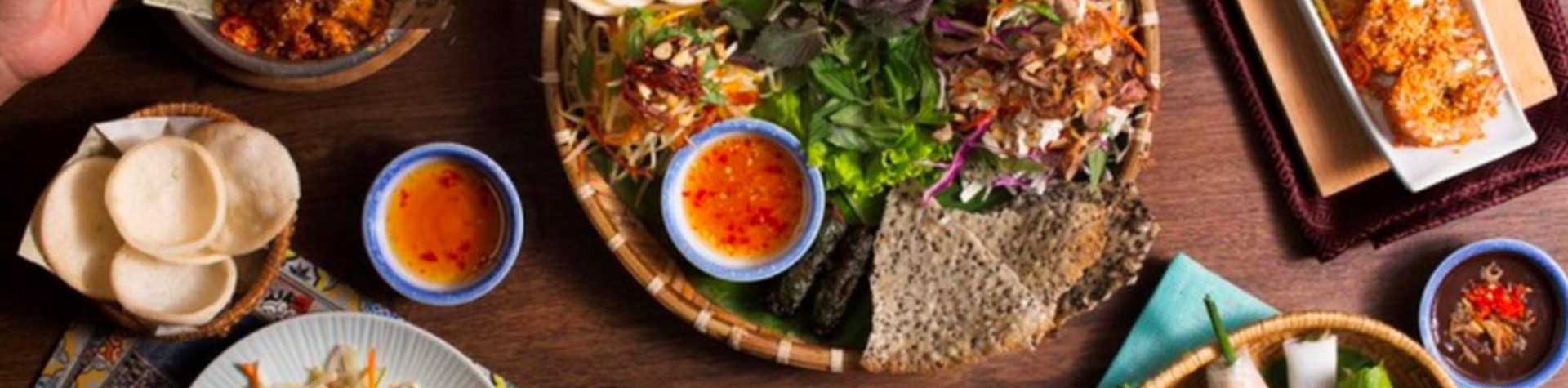
Ho Chi Minh City Street Food: 12 Essential Dishes and Where to Try Them
Ho Chi Minh City street food is woven the city’s daily routine. Breakfast is served metal carts beside busy intersections, charcoal grills appear along narrow lanes after sunset, and plastic stools fill the pavements as offices close. For travelers, eating on the street is not only an affordable way to try Vietnamese food. It also reveals how local residents live, work, and socialize. This guide AsianWay Travel introduces 12 essential dishes, the best areas to find them, typical prices, and practical tips for planning a rewarding food experience in the city.
12 Essential Ho Chi Minh City Street Food Dishes
These dishes represent different parts of the city’s food culture, quick breakfasts and everyday rice meals to evening snacks shared over conversation. Each one offers a distinct combination of flavor, texture, and local context.
.png)
Banh Mi – Vietnam’s Most Convenient Street Breakfast
Banh mi is one of the easiest ways to begin exploring Ho Chi Minh City street food. Vendors split a light, crisp baguette and fill it with pate, cold cuts, grilled pork, pickled vegetables, cucumber, coriander, chili, and savory sauce.
The appeal comes contrast. The bread crackles when bitten, while the filling remains rich, fresh, and slightly tangy. Many stalls prepare sandwiches in less than two minutes, making banh mi a practical breakfast for commuters and travelers.
Look for busy carts in District 1, District 3, and around local markets. Morning stalls often sell out before lunch, while some well-known shops remain open the evening.
.png)
Com Tam – Broken Rice with Grilled Pork
Com tam is one of the city’s most recognizable everyday meals. The dish uses broken rice grains, once considered a cheaper by-product of rice milling, and pairs them with grilled pork ribs, shredded pork skin, steamed egg cake, pickled vegetables, and scallion oil.
The pork is usually grilled over charcoal near the entrance of the shop. Smoke rises above the pavement, carrying the scent of caramelized marinade the surrounding street. A small bowl of sweet and savory fish sauce ties the rice, meat, and vegetables together.
Com tam is available throughout the city, but residential areas in District 3, Phu Nhuan, and District 10 usually offer a more local atmosphere than restaurants in the main tourist zone.
.png)
See more: Things to Do in Ninh Binh: Best Experiences for First-Time Visitors
Hu Tieu Nam Vang – A Southern Noodle Bowl with Cambodian Roots
Hu tieu Nam Vang reflects the cultural connections between southern Vietnam, Cambodia, and the Chinese-Vietnamese community. It usually contains thin rice noodles, sliced pork, minced meat, shrimp, quail eggs, bean sprouts, chives, and a clear broth.
Diners can order it in two ways. The soup version arrives with broth in the bowl, while the dry version is mixed with sauce and served with broth on the side. The dry version gives the noodles a firmer texture and makes the savory seasoning more noticeable.
District 5 and District 10 have many long-running hu tieu shops. Early morning is an ideal time to try it, when pots of broth are fresh and the dining rooms are filled with local breakfast customers.
.png)
Bun Thit Nuong – Grilled Pork Noodles with Fresh Herbs
Bun thit nuong combines rice vermicelli with grilled pork, lettuce, cucumber, herbs, pickled carrot, crushed peanuts, and sweet fish sauce. Some versions also include a fried spring roll for additional crunch.
This dish is lighter than a rice meal but still filling enough for lunch. The warm pork sits above cool noodles and fresh vegetables, creating a balanced mixture of smoky, sour, sweet, and salty flavors.
It is widely available in District 1, District 3, and Binh Thanh. Choose a stall where the pork is grilled to order, as the fresh charcoal aroma makes a clear difference.
.png)
Banh Xeo – Crispy Vietnamese Savory Pancakes
Banh xeo is prepared by pouring a thin batter of rice flour, turmeric, and coconut milk a hot pan. The batter sizzles immediately before being filled with pork, shrimp, bean sprouts, and spring onions.
The pancake is broken smaller pieces, wrapped in mustard leaves or rice paper, and eaten with herbs and fish sauce. A well-made banh xeo should be crisp around the edges without feeling heavy with oil.
Restaurants specializing in southern Vietnamese food are often more reliable than general street stalls for this dish. District 3, District 10, and the outer residential districts have several established places where large pans are used continuously during dinner service.
.png)
Goi Cuon – Fresh Spring Rolls for a Light Meal
Goi cuon consists of shrimp, sliced pork, rice vermicelli, lettuce, and herbs wrapped in soft rice paper. The rolls are usually served with peanut sauce or a fermented soybean dipping sauce.
Unlike fried spring rolls, goi cuon feels clean and light. The taste depends heavily on fresh herbs and properly cooked shrimp, so busy vendors with high turnover are generally the better choice.
These rolls are often sold at market food counters, family-run noodle shops, and small afternoon stalls. They also work well as a break between richer dishes during a self-guided food tour.
.png)
Bo La Lot – Beef Wrapped in Betel Leaves
Bo la lot is made by wrapping seasoned minced beef in wild betel leaves before grilling it over charcoal. As the leaves heat, they release a deep herbal aroma that blends with the smoke and beef fat.
The rolls are commonly eaten with rice paper, vermicelli, cucumber, green banana, herbs, and dipping sauce. Diners assemble each roll themselves, which makes the dish more interactive than a standard noodle or rice meal.
District 4 is one of the best areas to try bo la lot. In the evening, small grills line several food streets, and the sound of sizzling meat mixes with motorbike traffic and conversations nearby tables.
.png)
Pha Lau – A Rich and Peppery Local Snack
Pha lau is a strongly flavored dish usually made with braised pork or beef offal. The ingredients are cooked in a broth containing coconut milk, five-spice seasoning, black pepper, and sometimes curry-style spices.
It is often served in a small bowl with bread for dipping. Some vendors also offer noodles or a thicker sauce. The result is rich, slightly sweet, and more intense than many dishes commonly introduced to first-time visitors.
Pha lau is especially popular among students and younger local diners. District 4, District 5, and District 10 have many afternoon stalls serving small portions suitable for sharing.
.png)
See more: Vietnam Tour
Bot Chien – Crispy Fried Rice Flour Cakes
Bot chien is made firm rice flour cakes cut cubes and fried on a flat metal pan with eggs and spring onions. The outside becomes crisp while the center stays soft and slightly chewy.
It is usually served with shredded green papaya and a soy-based dipping sauce. The cook often uses a metal spatula to turn the cakes repeatedly, creating a steady scraping sound across the pan.
Bot chien is commonly eaten in the afternoon or evening. District 5 and District 10 are particularly good places to find it, especially near schools, markets, and residential streets.
.png)
Oc – Saigon-Style Snails and Seafood
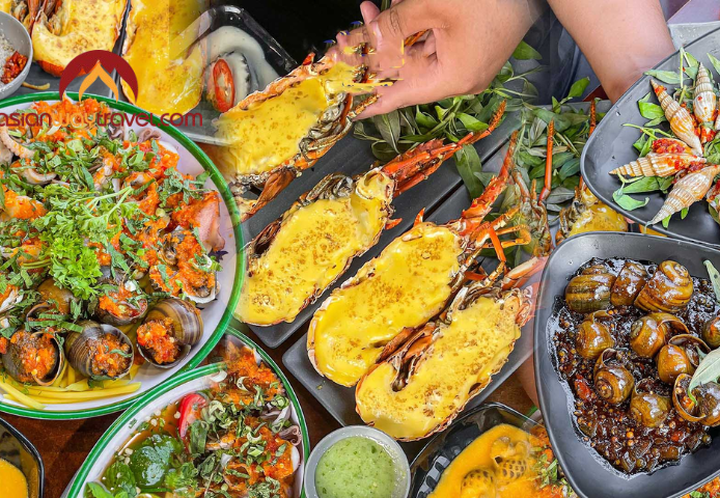
Eating oc is a social activity rather than a quick meal. Groups order several plates of snails, clams, crab claws, scallops, or small seafood dishes, then share them over drinks and conversation.
Preparation methods vary widely. Popular choices include tamarind sauce, salted egg sauce, garlic butter, coconut milk, lemongrass steaming, and scallion oil. The sauces are often as important as the seafood itself.
District 4 is widely associated with evening snail restaurants, while District 10 and Phu Nhuan also have busy local streets. Prices can rise quickly, so check the menu and confirm whether seafood is charged by plate, size, or weight.
.png)
Che – Vietnamese Sweet Soups and Desserts
Che refers to a broad group of desserts made with beans, jelly, fruit, glutinous rice, coconut milk, or crushed ice. Some versions are served warm, while others are cold and refreshing.
A typical dessert counter displays colorful ingredients in glass containers. Customers choose a prepared combination or point to individual items to create their own bowl.
District 5 is especially known for Chinese-Vietnamese dessert shops, including herbal jelly and almond-based sweets. Market stalls across the city also serve simpler versions at affordable prices.
.png)
Vietnamese Iced Coffee – A Strong Finish to the Food Trail
Vietnamese iced coffee is made with dark roasted coffee brewed through a small metal filter. It is commonly mixed with condensed milk and poured over ice.
The drink is strong, sweet, and slow to prepare. At pavement cafés, customers often sit on low stools facing the street rather than each other, watching motorbikes pass while the coffee drips the glass.
Coffee shops and street stalls appear in every district. For a more local experience, choose a simple pavement café in District 3, District 5, or Binh Thanh instead of a large international-style chain.
.png)
Best Areas for Street Food in Ho Chi Minh City
Street food is available throughout the city, but each district offers a different experience. Choosing the right area can help travelers match their food plans with sightseeing, nightlife, or a quieter local setting.
|
Area |
Best for |
Typical experience |
|
District 1 |
First-time visitors |
Convenient stalls and restaurants close to major attractions |
|
District 3 |
Breakfast and local meals |
Tree-lined residential streets with established family eateries |
|
District 4 |
Seafood and evening food |
Dense lanes filled with grills, snail restaurants, and late-night crowds |
|
District 5 |
Chinese-Vietnamese cuisine |
Noodle shops, dumplings, herbal desserts, and market food |
|
District 10 |
Affordable local dining |
Busy neighborhood stalls with fewer tourist-focused menus |
|
Binh Thanh |
Everyday city life |
Local cafés, rice shops, noodle stalls, and residential food streets |
.png)
Explore Ho Chi Minh City Street Food with Asianway Travel
Ho Chi Minh City street food is most rewarding when travelers understand where each dish fits local life. Banh mi belongs to the morning commute, com tam fills neighborhood lunch shops, while grilled beef, snails, and fried snacks become part of the city’s evening routine.
Planning a Vietnam trip that goes beyond the main sightseeing route? With more than 20 years of local travel experience, Asianway Travel can design a private itinerary around your food interests, preferred pace, and wider travel plans. Explore our Vietnam tours or speak with our local specialists to create a personalized Ho Chi Minh City journey.