
Ha Giang Trip Guide: How to Plan a Safe and Meaningful Journey in Northern Vietnam
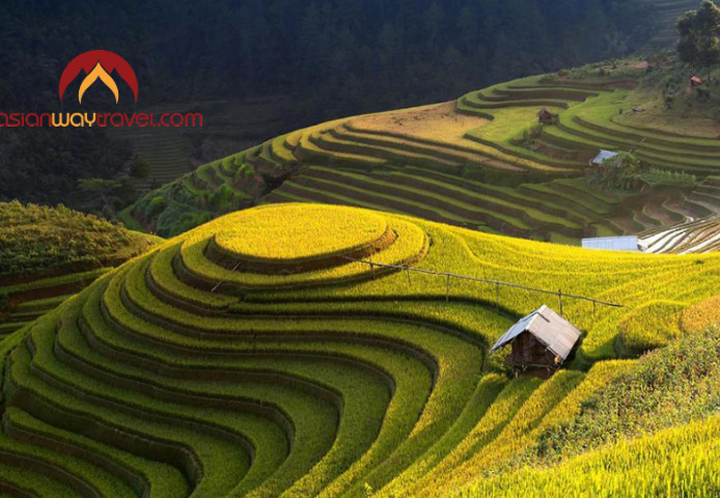
A Ha Giang trip is not just another mountain ride in Vietnam. It is a slow climb stone peaks, misty valleys, cliffside roads and villages where life still follows the rhythm of markets, harvests and family meals. Many travelers come for the famous Ha Giang Loop, but the real reward begins when you stop rushing. Beyond the sharp bends and dramatic views, Ha Giang asks for time, respect and a thoughtful route. This guide helps you plan a safer, deeper and more meaningful journey through Northern Vietnam. Join Asianway Travel as we explore this in more detail in the article below.
How Many Days Do You Need for a Ha Giang Trip?
The right duration depends on your travel style, comfort level and how deeply you want to explore Northern Vietnam.
.png)
3 days: best for travelers with limited time
A 3-day Ha Giang trip works for travelers who have limited time and want a quick mountain experience. It usually covers the main highlights, including Quan Ba, Dong Van, Ma Pi Leng Pass and Meo Vac.
However, this pace can feel rushed. You may spend long hours on the road and have little time for villages, markets or slower cultural stops. It suits adventurous travelers who accept a faster rhythm, but it is not ideal for families or travelers who prefer comfort.
4–5 days: the ideal pace for the classic Ha Giang Loop
For most travelers, 4–5 days is a better choice. This duration gives you enough time to enjoy the classic Ha Giang Loop without turning every day a long transfer.
A balanced route may include:
-
Ha Giang City to Quan Ba: a gentle introduction to the mountains.
-
Quan Ba to Yen Minh and Dong Van: limestone landscapes and ethnic villages.
-
Dong Van to Ma Pi Leng and Meo Vac: the most dramatic section of the route.
-
Meo Vac to Du Gia: quieter valleys and rural scenery.
-
Du Gia back to Ha Giang City: a softer ending before returning to Hanoi.
This pace allows more stops, better rest and safer travel on mountain roads.
.png)
7 days: best for a deeper Northeast Vietnam journey
If you want more than the classic loop, a 7-day journey is ideal. This allows you to combine Ha Giang with Cao Bang and Ba Be, creating a fuller Northeast Vietnam experience.
Instead of seeing only mountain passes, you can discover waterfalls, lakes, limestone valleys and ethnic villages across several provinces. Asianway Travel’s 7 Days Vietnam Northeast Loop follows this deeper direction, connecting Hanoi, Ha Giang, Cao Bang and Ba Be in a private, customizable route.
This option suits travelers who want comfort, cultural depth and a broader view of Northern Vietnam.
See more: 6 Days Extraordinary Northern Vietnam Tour
Best Places to Visit on a Ha Giang Trip
Ha Giang has many scenic stops, but the best itinerary should balance famous viewpoints with quieter local experiences.
Quan Ba Heaven Gate and the Twin Mountains
Quan Ba Heaven Gate is often the first dramatic viewpoint of the journey. here, the road opens valleys, limestone peaks and the famous Twin Mountains.
This stop sets the mood for the whole Ha Giang trip. The air feels cooler, the road begins to twist, and the landscape changes lowland Vietnam high mountain territory. It is a good place to slow down, take photos and understand the scale of the region.
.png)
Dong Van Karst Plateau and the old mountain town
Dong Van Karst Plateau is one of Ha Giang’s most important landscapes. Its rocky mountains, deep valleys and ethnic villages create a strong sense of place.
Dong Van Old Quarter adds another layer to the journey. In the evening, stone houses, small cafés and quiet streets give travelers a softer view of highland life. If your trip matches the local market day, Dong Van becomes even more vivid with colors, voices, animals, textiles and mountain produce.
Ma Pi Leng Pass and Nho Que River
Ma Pi Leng Pass is the emotional peak of many Ha Giang itineraries. The road curves along steep cliffs, while the Nho Que River runs far below in a narrow canyon.
This is the kind of view that makes travelers silent for a moment. The mountains feel massive, the wind is sharp, and the road seems to hang between sky and stone. Yet this area also requires care. Travelers should stop only at safe points, avoid risky photo spots and follow local guidance when visiting the river or canyon.
Should You Ride, Take an Easy Rider, or Travel by Private Car?
Your travel style will shape the whole experience. The best choice depends on your confidence, safety expectations and comfort level.
.png)
Self-riding gives freedom but requires real motorbike experience
Self-riding is popular among adventurous travelers because it offers freedom and flexibility. You can stop when you want and feel close to the landscape.
However, Ha Giang is not a beginner route. The roads include steep climbs, tight curves and sections affected by rain or fog. Self-riding is only suitable for travelers with valid motorbike experience, proper documents and strong confidence on mountain roads.
Before choosing this option, consider:
-
Road conditions: mountain roads can change quickly after rain.
-
Legal requirements: travelers should check license and insurance conditions.
-
Physical stamina: several days of riding can be tiring.
-
Risk tolerance: remote areas may have limited support if problems happen.
Freedom is valuable, but safety should come first.
Easy Rider tours work well for adventurous travelers
Easy Rider tours are a good middle option. You sit behind a local driver and still enjoy the open-air feeling of the loop. This can be suitable for travelers who want a motorbike experience without driving themselves.
The quality of the operator matters. You should check the driver’s experience, helmet quality, insurance, group size and daily distance. A good Easy Rider trip should not feel rushed or careless. It should give you adventure with responsible support.
.png)
Private car is better for comfort, families and deeper travel
A private car is often the best option for travelers who value comfort, safety and flexibility. It is especially suitable for couples, families, older travelers or visitors who do not want to ride a motorbike on mountain roads.
Traveling by private car does not make the Ha Giang trip less authentic. In many cases, it makes the journey deeper. You can stop at villages, viewpoints and markets without worrying about riding fatigue. You also have more space, better weather protection and a local guide who can shape the route around your interests.
For Asianway Travel, this is the strongest positioning: a safe, private and culturally rich way to experience Ha Giang.
Best Time to Visit Ha Giang
The best time for a Ha Giang trip depends on what you want to see: clear mountain views, golden rice fields, flowers or a quiet winter mood.
-
March to May: the weather is usually pleasant, with fresh mountain air and good visibility. This period suits travelers who want comfortable travel before the main summer rains.
-
September to November: this is one of the most beautiful seasons. The landscape becomes clearer, rice terraces turn golden in some areas, and the weather is often better for mountain views.
-
December to February: winter brings cold air, mist and a quieter atmosphere. Travelers should bring warm clothes, especially for early mornings and evenings.
-
June to August: the mountains become green and full of life, but rain is more common. A flexible itinerary is important because road conditions may change.
.png)
See more: Super Saver Moc Chau Glass Bridge 4 Days Trip
Practical Tips Before Your Ha Giang Trip
A smooth Ha Giang journey depends on good preparation. The region is remote, so small planning details can make a big difference.
-
Start Hanoi: most international travelers begin in Hanoi, then travel to Ha Giang by night bus, private transfer or arranged tour.
-
Pack for changing weather: bring a light jacket, raincoat, walking shoes, sunscreen and a waterproof bag for electronics.
-
Do not rush the loop: the scenery is beautiful, but long road days can be tiring. Choose a pace that leaves time for rest and local stops.
-
Respect local culture: ask before taking portraits, dress modestly in villages and avoid treating homes or markets as tourist stages.
-
Choose operators carefully: look for clear itineraries, experienced guides, reliable vehicles and transparent safety practices.
Why Plan Your Ha Giang Trip with Asianway Travel?
Ha Giang needs more than a beautiful route. It needs local knowledge, safe planning and the right balance between scenery, culture and comfort.
-
Local experienced: Asianway Travel understands Northern Vietnam’s routes, ethnic villages, seasonal highlights and realistic travel pace.
-
Tailor-made tour: your itinerary can be adjusted for couples, families, small groups or travelers who prefer slower travel.
-
Over 20 years of experience: long-term destination expertise helps travelers explore remote areas with more confidence.
-
Private and customizable Northeast route: Asianway Travel can extend your Ha Giang trip to Cao Bang and Ba Be for a richer Northern Vietnam journey.
.png)
Conclusion
Yes, a Ha Giang trip is absolutely worth it if you want more than a standard Vietnam itinerary. It offers some of the country’s most dramatic mountain scenery, but its real value lies in the quiet moments: a market morning, a family meal, a cloud moving across a pass, or a village road far the crowds.
The best way to experience Ha Giang is not to rush through it. Give the region enough time, choose a safe travel style and let local knowledge guide the journey.
Plan your Ha Giang trip with Asianway Travel and explore Northern Vietnam with local insight, private comfort and a route designed around you.