

Cost of Things in Vietnam: A Complete Travel Price Guide
Vietnam remains a relatively affordable destination, but the total cost of a trip depends heavily on where you go and how you travel. A bowl of noodles may cost less than USD 3, while a private cruise or beachfront resort can add several hundred dollars to the same day. This guide AsianWay Travel explains the typical cost of things in Vietnam, including accommodation, food, transport, attractions and everyday purchases. It also provides practical daily budgets for budget, mid-range and luxury travelers, helping you estimate how much money you need without cutting out the experiences that matter.
How Much Do Things Cost in Vietnam?
Prices are generally lower outside major tourist centers. Hanoi and Ho Chi Minh City provide options across every price level, while Ha Long Bay, central Hoi An and island destinations often require a higher budget.
.png)
Accommodation Prices in Vietnam
Accommodation is usually the largest daily expense. Rates can increase during national holidays, weekends and the peak season for each region.
|
Accommodation type |
Typical price per night |
|
Hostel dormitory bed |
VND 150,000–350,000 |
|
Private room in a guesthouse |
VND 400,000–800,000 |
|
Budget hotel |
VND 500,000–1,000,000 |
|
Mid-range hotel |
VND 900,000–2,000,000 |
|
Four- or five-star hotel |
VND 2,500,000–6,000,000 |
|
Luxury resort |
VND 5,000,000 |
A basic room usually includes air conditioning, Wi-Fi and a private bathroom. Mid-range hotels often add breakfast, better locations and more consistent service.
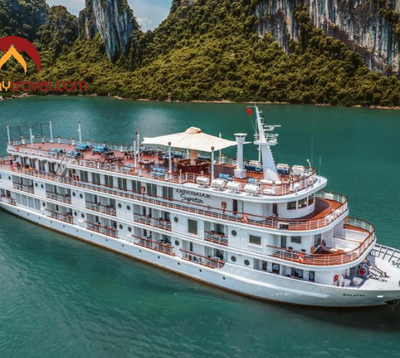
Beachfront accommodation in Da Nang, Phu Quoc and Ho Tram generally costs more than a similar room in Hue or the Mekong Delta. In Ha Long Bay, accommodation may be included in an overnight cruise rather than booked separately.
.png)
Food and Drink Prices
Vietnamese food is inexpensive when you eat at local restaurants, street stalls and family-run shops. International dining, imported ingredients and hotel restaurants cost considerably more.
|
Food or drink |
Typical price |
|
Banh mi |
VND 20,000–50,000 |
|
Pho, bun cha or local noodle dish |
VND 40,000–90,000 |
|
Local restaurant meal |
VND 70,000–180,000 |
|
Western or international meal |
VND 180,000–450,000 |
|
Vietnamese coffee |
VND 25,000–70,000 |
|
Local beer |
VND 20,000–60,000 |
|
Cocktail at a rooftop bar |
VND 180,000–350,000 |
|
Fine-dining meal |
VND 1,000,000 |
A low price does not necessarily mean a basic experience. At a busy morning stall in Hanoi, you may watch steaming broth poured over noodles as motorbikes pass within a few steps of your table. In Hoi An, a bowl of cao lau served in a small courtyard can cost less than a café lunch in a major Western city.
Choose busy stalls with visible food preparation and steady local turnover. These are usually better indicators of freshness than appearance alone.
.png)
See more: Hue to Hoi An: Best Travel Options and Scenic Stops Along the Way
Local and Intercity Transport Costs
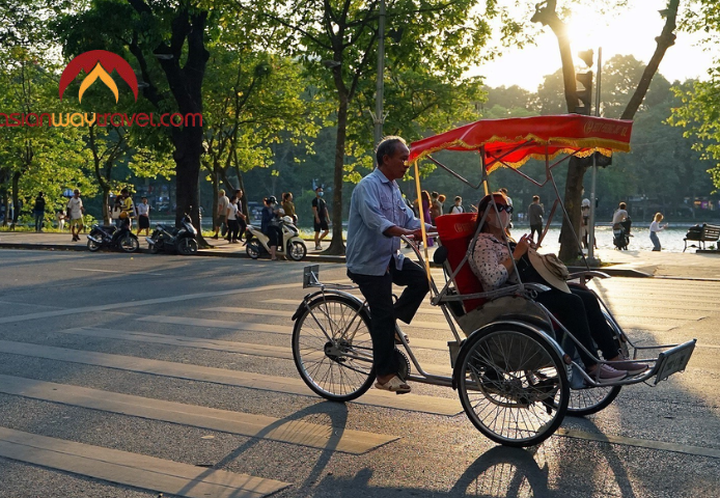
Local transport remains affordable, especially when using buses or ride-hailing applications. Intercity travel varies widely according to distance and comfort.
|
Transport option |
Typical cost |
|
City bus |
VND 7,000–20,000 |
|
Short ride-hailing motorbike trip |
VND 20,000–60,000 |
|
Short ride-hailing car trip |
VND 60,000–180,000 |
|
Airport transfer by car |
VND 200,000–500,000 |
|
Sleeper bus between cities |
VND 250,000–700,000 |
|
Long-distance train |
VND 400,000–1,600,000 |
|
Domestic flight |
VND 800,000–3,000,000 |
|
Private car with driver |
VND 1,500,000 per day |
Ride-hailing applications make city fares easier to check before departure. Regular taxis can also be practical, but travelers should use reputable operators and confirm that the meter is running.
Sleeper buses are economical for routes such as Hanoi to Ha Giang or Ho Chi Minh City to Da Lat. Trains provide more space and scenery, although journey times are longer. A Hanoi–Da Nang train ticket can start at around VND 700,000 and rise above VND 1,500,000 for some sleeper options.
Domestic flights save significant time on longer routes. However, fares can rise around Tet, summer holidays and weekends. Checked baggage may also cost extra on lower fare classes.
.png)
Attractions, Tours and Activities
Many museums, temples and historical attractions are inexpensive. Guided excursions, cruises and private experiences create the largest difference between a basic and a comfortable travel budget.
|
Experience |
Typical price per person |
|
Museum or historical site |
VND 30,000–200,000 |
|
Major heritage attraction |
VND 100,000–300,000 |
|
Cooking class |
VND 700,000–1,500,000 |
|
Street food tour |
VND 600,000–1,500,000 |
|
Group day trip |
VND 700,000–2,000,000 |
|
Ha Long Bay day cruise |
VND 1,200,000–3,000,000 |
|
Overnight Ha Long Bay cruise |
VND 3,000,000–10,000,000 |
|
Private guided tour |
VND 2,000,000 |
Entrance fees usually represent a small part of the total trip cost. Transport, guides and meals have a greater effect on the price of a day tour.
.png)
See more: Vietnam Tour
Everyday Purchases and Additional Expenses
Small costs are easy to overlook when preparing a Vietnam travel budget. Individually they are low, but they can become significant over two or three weeks.
|
Everyday expense |
Typical price |
|
Bottled water |
VND 10,000–25,000 |
|
Local SIM or eSIM package |
VND 150,000–400,000 |
|
Laundry by weight |
VND 30,000–70,000 per kilogram |
|
Convenience-store snack |
VND 15,000–60,000 |
|
Basic massage |
VND 250,000–600,000 |
|
Spa treatment at an upscale hotel |
VND 1,000,000 |
|
Small souvenir |
VND 50,000–300,000 |
Keep additional money for ATM charges, card surcharges, tips and personal shopping. Cash is still useful at markets, small restaurants and businesses outside city centers.
.png)
Daily Vietnam Travel Budgets by Travel Style
A daily budget should include accommodation, meals, local transport and basic activities. International flights, extensive shopping and premium cruises are normally calculated separately.
|
Travel style |
Daily budget per person |
Typical experience |
|
Budget |
USD 30–50 |
Hostel, local meals, buses and basic attractions |
|
Mid-range |
USD 80–150 |
Comfortable hotel, varied dining and guided activities |
|
Comfort |
USD 200–350 |
Premium hotel, private transfers and selected tours |
|
Luxury |
USD 400 |
Luxury stays, fine dining and private experiences |
Budget travelers can keep costs low by staying in dormitories, eating local food and using sleeper buses. This level is realistic, but it leaves limited room for private tours, domestic flights or premium accommodation.
A mid-range budget gives most visitors a better balance. It can cover a comfortable hotel, restaurant meals, occasional flights and several organized experiences.
Luxury travel varies more widely. A premium resort, private guide and overnight cruise can quickly raise the daily cost beyond USD 400.
.png)
Where Travel Costs Are Higher or Lower
Destination choice affects the cost of things in Vietnam as much as travel style.
-
Hanoi and Ho Chi Minh City: Both cities have cheap local food and broad hotel choices. Central accommodation, rooftop bars and international restaurants cost more.
-
Hoi An and Da Nang: Mid-range hotels provide good value, but beachfront resorts and properties near Hoi An Ancient Town are more expensive during busy periods.
-
Ha Long Bay: The cruise is usually the main expense. Compare cabin type, meals, transfers and included activities rather than choosing by headline price.
-
Hue and the Mekong Delta: These areas often offer lower accommodation and dining costs than the main beach destinations.
-
Sapa and Ha Giang: Guesthouses can be inexpensive, but private vehicles, guides and remote routes increase transport costs.
-
Phu Quoc: Flights, resort accommodation and beachfront dining make the island more expensive than many mainland destinations.
Traveling through several regions also raises the total budget. Vietnam is long and narrow, so covering Hanoi, central Vietnam and Ho Chi Minh City usually requires flights, overnight trains or long bus journeys.
.png)
Factors That Can Increase Your Vietnam Trip Cost
Several decisions can raise the final price even when daily expenses appear low.
-
Peak travel periods: Tet, national holidays and local high seasons increase demand for flights and accommodation.
-
Late reservations: Popular cruises, domestic flights and centrally located hotels may offer fewer affordable options close to departure.
-
Private transportation: A private car is convenient for rural routes and families, but costs more than public transport.
-
Imported food and nightlife: International restaurants, wine and rooftop venues can cost several times more than local alternatives.
-
Single occupancy: Solo travelers pay the full room or cabin price, while couples divide these costs.
-
Unclear inclusions: Cheap tours may exclude transfers, entrance fees, drinks or compulsory supplements.
Check what is included before comparing two prices. A higher package rate may provide better value when it covers transport, meals, entrance tickets and an experienced guide.
.png)
How to Manage Your Vietnam Travel Budget
Saving money does not require choosing the cheapest service every day. Focus on expenses that offer little value while protecting the parts of the trip that matter most.
-
Eat locally for regular meals: Reserve international or fine dining for selected evenings.
-
Book key services early: Secure domestic flights, cruises and popular hotels before prices rise.
-
Choose accommodation by location: A slightly more expensive central hotel may reduce daily transport costs.
-
Combine transport types: Use flights for long distances and private transfers where public options are inconvenient.
-
Carry smaller banknotes: They are useful for drinks, markets, tips and short purchases.
-
Keep a contingency fund: Reserve around 10–15% of the budget for schedule changes and unexpected expenses.
Avoid planning every day at the lowest possible cost. A poorly located room, an exhausting overnight bus or an overcrowded tour can reduce the value of a limited vacation.
.png)
Plan a Vietnam Trip Around Your Budget
The cost of things in Vietnam allows travelers to build very different trips. A modest budget can cover local meals, simple accommodation and public transport, while a higher budget provides private transfers, premium hotels and more flexible experiences.
The most accurate budget depends on your route, travel dates, preferred comfort and available time. With more than 20 years of local experience, Asianway Travel can design a practical Vietnam itinerary around these priorities. Explore our Vietnam tours or contact our local team for a customized plan and detailed quotation.