
Cambodia Mekong River: The Riverine Beauty and Distinctive Culture of Southeast Asia
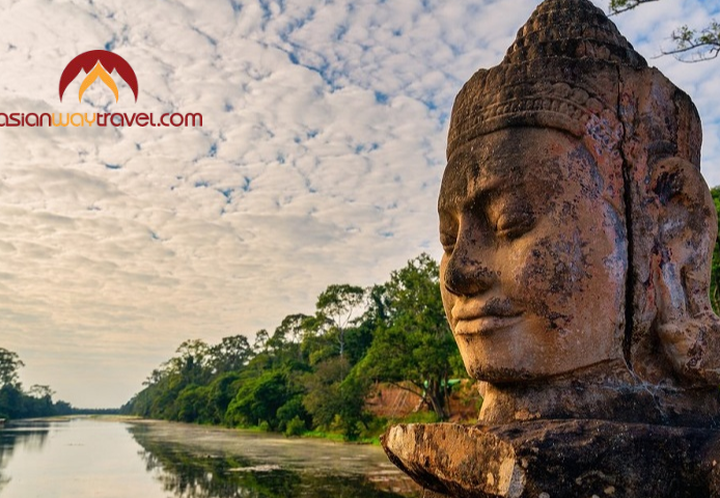
The Cambodia Mekong River is more than a major waterway connected to the daily life of local communities. It is a living cultural symbol, carrying stories, traditions, and generations of riverside life through the heart of Southeast Asia. Why explore the Mekong River in Cambodia instead of choosing a fast-paced city break or a typical resort escape? Because here, the journey is not only about seeing a destination. It is about slowing down, listening to the gentle splash of water against the boat, watching villages gradually appear along the riverbanks, and experiencing a way of life shaped by the river itself. In this guide, Asianway Travel invites you to discover the natural beauty, local culture, and memorable experiences that make the Cambodia Mekong River a truly worthy destination.
Natural Beauty Along the Mekong River in Cambodia
The Cambodia Mekong River is admired for its peaceful landscapes, fertile countryside, and quiet riverside villages. Unlike crowded city attractions, the river offers a slower journey where travelers can connect more deeply with nature and the surrounding scenery.
.png)
Lush Riverbanks and Fertile Farmland
The Mekong supports rich vegetation and productive agricultural areas along its banks. As the boat moves downstream, visitors can observe:
-
Green riverbanks covered with tropical plants.
-
Fertile fields used for rice and seasonal crops.
-
Small farms located close to the water.
-
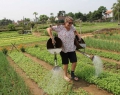
Local farmers working across the countryside.
-
Natural landscapes shaped by the river’s flow.
These fertile surroundings show how the Mekong supports both the environment and the livelihoods of local communities.
Peaceful Riverside Villages
Quiet villages appear naturally along the river, offering a calm contrast to Cambodia’s busier urban destinations. Travelers may see:
-
Traditional homes near the water.
-
Small boats moored beside village docks.
-
Children playing along the riverbanks.
-
Local paths passing through trees and farmland.
-
Daily activities unfolding at an unhurried pace.
The simplicity of village life adds warmth and authenticity to the journey.
.png)
Sunrises and Sunsets Over the River
Early morning and late afternoon are among the most beautiful times to experience the Mekong. Visitors can enjoy:
-
Soft morning light spreading across the water.
-
Mist rising gently above the river.
-
Golden reflections during sunset.
-
Fishing boats silhouetted against the horizon.
-
Peaceful moments ideal for photography.
As the sky changes color, the river takes on a quiet, almost dreamlike atmosphere.
Diverse Plants and Wildlife
The river and its surrounding habitats support a wide variety of natural life. Depending on the location, travelers may encounter:
-
Tropical plants and riverside forests.
-
Water birds and other local bird species.
-
Fish and aquatic wildlife.
-
Rare river dolphins in selected areas.
-
Seasonal vegetation shaped by changing water levels.
This biodiversity adds another layer of discovery to a Mekong River journey.
.png)
Wide and Open River Views
One of the river’s most memorable qualities is its sense of space. the boat, travelers can take in:
-
Broad stretches of open water.
-
Long views across fields and riverbanks.
-
Distant villages and temple rooftops.
-
Changing scenery with few visual interruptions.
-
Calm horizons that create a feeling of freedom.
The natural beauty of the Cambodia Mekong River is not dramatic in a hurried way. It unfolds slowly through light, water, greenery, and silence, creating an experience that feels peaceful, immersive, and deeply memorable.
Culture and Daily Life of Riverside Communities
Life along the Cambodia Mekong River is shaped by the steady rhythm of the water. early morning fishing trips to lively riverside markets, local communities continue traditions that have been passed down through generations.
.png)
Traditional Fishing and Agriculture
Fishing and farming remain essential parts of daily life along the river. Local families often depend on the Mekong for food, income, and transportation.
-
Fishermen leave the shore early in small wooden boats.
-
Nets are cast across calm sections of the river.
-
Fertile riverbanks support rice fields and seasonal crops.
-
Fresh fish and agricultural products are sold in nearby markets.
These activities show how closely local livelihoods are connected to the river and its natural cycles.
Floating Villages and Riverside Markets
Floating villages and local markets provide a vivid picture of everyday community life. Visitors can observe:
-
Homes built close to or directly above the water.
-
Small boats used for shopping and transportation.
-
Vendors selling fish, produce, and household goods.
-
Families carrying out daily routines along the riverbanks.
The hum of boat engines, the splash of water, and the voices of market sellers create an atmosphere that feels lively yet deeply familiar.
.png)
Local Transportation Along the River
For many communities, the Mekong is not only a natural landmark but also an important travel route. Common forms of river transport include:
-
Small fishing boats.
-
Passenger boats between villages.
-
Boats carrying goods and market supplies.
-
Family boats used for daily travel.
Watching these boats move steadily across the water reveals how the river connects people, villages, and local businesses.
Cultural Practices and Traditions
Many local customs are closely linked to the river and the seasons. Travelers may encounter:
-
Traditional fishing techniques.
-
Community rituals connected to water and harvests.
-
Local crafts made natural materials.
-
Family traditions passed down through generations.
These practices reflect the deep cultural relationship between the Cambodian people and the Mekong River.
.png)
Festivals, Religion, and Community Life
Religious traditions and community events also play an important role in riverside culture. Visitors may experience:
-
Ceremonies at riverside temples.
-
Seasonal festivals connected to the river.
-
Community gatherings and family celebrations.
-
Religious customs influenced by local beliefs and daily life.
Unlike destinations centered mainly on famous landmarks, the Cambodia Mekong River offers a more personal experience. Its sounds, movements, traditions, and people allow travelers to witness how nature, culture, and daily life remain closely connected.
Popular Tourist Activities on the Cambodia Mekong River
The Cambodia Mekong River offers a wide range of experiences for travelers who want to enjoy natural scenery, discover local culture, and escape the pace of crowded tourist destinations. Each activity reveals a different layer of life along the river, peaceful landscapes to vibrant community traditions.
-
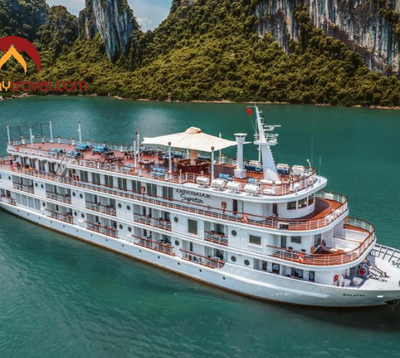
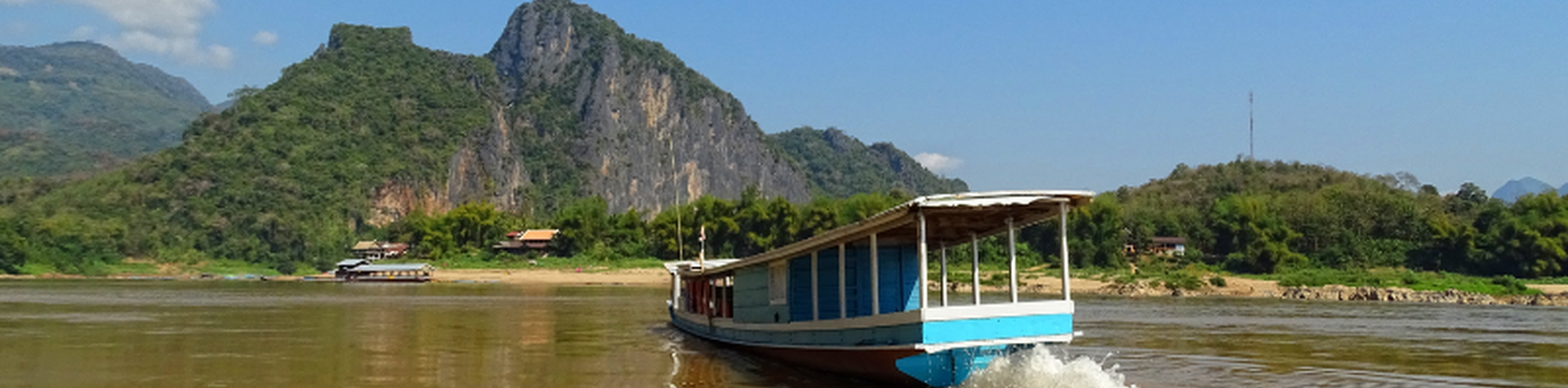
Take a scenic boat cruise: Glide along the river while green riverbanks, wooden homes, fishing boats, and distant temples slowly come view.
-
Visit floating villages and local markets: Observe riverside trade, daily routines, and the lively exchange of goods between local communities.
-
Watch wildlife: In selected areas, travelers may have the chance to see rare river dolphins and other species living around the Mekong.
-
Explore riverside temples and historical sites: These places reveal the spiritual traditions and cultural history connected to the river.
.png)
-
Join sunset and photography tours: As the sun sinks lower, warm light spreads across the water, creating memorable views and photo opportunities.
-
Observe daily riverside life: Watch fishermen cast their nets, families travel by boat, and villagers work along the banks.
-
Taste local riverside cuisine: Fresh fish, seasonal produce, and traditional Khmer dishes offer another way to experience the region.
-
Visit rural communities: Short village visits allow travelers to learn about local crafts, farming, and customs passed down through generations.
-
Enjoy quiet moments on the river: Early mornings and late afternoons are ideal for simply listening to the soft splash of water and watching the landscape change.
A boat journey is often the most rewarding way to experience the Mekong. The soft splash of water, the quiet hum of engines, and the changing scenery create a calm, immersive rhythm.
Whether you are taking photographs, speaking with local people, tasting local food, or simply watching the sunset reflect on the river, each activity reveals a more authentic and memorable side of Cambodia.
Best Time to Explore the Mekong River
The dry season, generally November to April, is considered the most convenient time to explore the Cambodia Mekong River. Pleasant temperatures, lower rainfall, and more stable river conditions make this period ideal for boat trips, sightseeing, and outdoor activities.
-
Comfortable weather for sightseeing: Lower humidity and less rainfall make it easier to visit riverside villages, markets, temples, and cultural sites.
-
More stable river travel: Calmer conditions support smoother boat journeys and reduce the chance of schedule disruptions.
-
Better opportunities for outdoor exploration: Travelers can spend more time walking through rural areas, meeting local communities, and enjoying the riverbanks.
-
Clearer views for photography: Bright skies and warm sunset light create beautiful conditions for river photography and evening cruises.
-
Easier access to local attractions: Roads, docks, and riverside paths are generally more accessible during the dry months.
-
More suitable for first-time visitors: Stable weather makes trip planning simpler and allows travelers to experience more activities within a shorter schedule.
The wet season, around May to October, offers a different atmosphere. The river becomes fuller, the countryside turns vividly green, and the scenery feels more dramatic and alive. However, heavy rain may occasionally affect boat schedules, road access, and outdoor plans.
The best time to visit depends on the experience you prefer. Choose the dry season for convenience, clear weather, and reliable travel, or the wet season for lush landscapes, fewer crowds, and a more vibrant view of riverside life.
.png)
Conclusion
The Cambodia Mekong River offers a distinctive travel experience where natural beauty and cultural heritage flow together. quiet villages and lively riverside markets to glowing sunsets and traditional local life, every part of the journey reveals something meaningful.
Whether you are seeking cultural discovery, scenic exploration, or a peaceful escape, the Mekong River promises more than beautiful photographs. It offers moments that feel authentic, personal, and worth remembering.
With more than 20 years of experience, local destination knowledge, and tailor-made tour planning, Asianway Travel helps travelers explore Cambodia beyond the usual routes. Let our experienced local team design a Mekong journey that matches your interests, travel style, and schedule—so you can experience the river not only as a visitor, but as part of its story.