
Best Things to Do in Cambodia for First-Time Visitors

Cambodia is often introduced through one image: the sun rising behind Angkor Wat. But the real journey begins when you look beyond the postcard. With Asianway Travel, the best things to do in Cambodia become more than a checklist of temples and cities. They turn slow mornings by ancient stone corridors, boat rides across floating villages, smoky street food nights, and quiet beaches where the trip finally settles in. For first-time visitors, Cambodia is not just a destination to see. It is a country to feel, taste, and understand. Join Asianway Travel as we explore this in more detail in the article below.
Why Cambodia Is Worth Visiting for First-Time Travelers
Cambodia gives first-time travelers a rare mix of world-famous heritage, emotional history, local warmth, and laid-back natural beauty in one compact journey.
Unlike Bangkok, Cambodia feels slower and less overwhelming. Unlike Bali, it does not rely only on beaches, cafés, and resorts. Its strongest appeal comes contrast: ancient temples, riverside cities, floating villages, pepper farms, seafood markets, and tropical islands.
For many travelers, Cambodia becomes a worthy experience because it feels raw, human, and deeply memorable.
.png)
Best Things to Do in Cambodia for a Meaningful First Trip
The best Cambodia itinerary should balance iconic landmarks with local life. Temples matter, but food, people, villages, and landscapes complete the story.
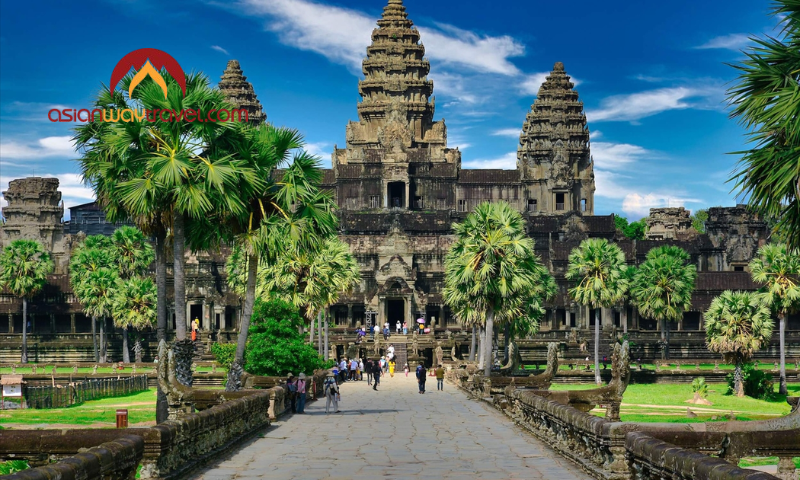
Watch Sunrise at Angkor Wat, Cambodia’s Iconic Wonder
Watching sunrise at Angkor Wat is still one of the best things to do in Cambodia, especially for first-time visitors. Before dawn, the temple sits in near silence. Then the sky slowly changes color, the towers appear in reflection, and the whole scene feels almost unreal.
This experience works best when you go beyond taking photos. A local guide can explain the temple’s carvings, Hindu-Buddhist symbolism, and Khmer history, helping you understand why Angkor Wat is more than a beautiful backdrop.
For a better visit, keep these points in mind:
-
Arrive early: The best viewing spots fill up quickly, especially during peak season.
-
Stay after sunrise: Many visitors leave too soon, while the temple becomes quieter and better for exploration.
-
Use a guide: Angkor Wat has deep cultural meaning that is easy to miss without local context.
Explore Bayon and Ta Prohm Beyond the Main Temple
Angkor Wat is the headline, but Bayon and Ta Prohm often create stronger emotions. Bayon feels mysterious, with giant stone faces watching every direction. Ta Prohm feels cinematic, where tree roots twist around ancient walls like nature is slowly taking back the temple.
These temples help first-time visitors see the wider personality of Angkor Archaeological Park. Each site has a different rhythm, texture, and atmosphere. Together, they turn temple-hopping a real journey through Khmer imagination and architecture.
To enjoy them properly, plan your route with intention:
-
Visit Bayon in softer light: Morning or late afternoon makes the stone faces more expressive.
-
Walk slowly through Ta Prohm: The beauty is in the details, not only the famous root-covered spots.
-
Avoid rushing three temples in one block: Temple fatigue is real, especially in Cambodia’s heat.
See more: 10 Days in Cambodia: A Detailed Itinerary Guide for the Perfect Trip
Cruise Tonle Sap Lake and Visit Floating Villages
Tonle Sap Lake adds a very different layer to Cambodia. After the temples, a boat ride through floating villages shows how people live with water, seasons, fishing, and movement. Houses stand on stilts, boats pass like motorbikes, and daily life follows the lake’s rhythm.
For first-time visitors, this experience helps Cambodia feel alive beyond its monuments. It also works well as a half-day trip Siem Reap, especially when combined with a responsible local tour.
Choose the experience carefully:
-
Go with an ethical operator: Avoid tours that turn local communities photo stops.
-
Visit at the right season: Water levels change the scenery and the way villages look.
-
Ask questions respectfully: Local life on Tonle Sap is complex, practical, and deeply connected to nature.
Discover Phnom Penh Through History and Local Culture
Phnom Penh is not always easy, but it is essential. The capital carries Cambodia’s royal beauty, French colonial traces, riverside energy, and painful modern history. For first-time visitors, it helps complete the picture after Siem Reap.
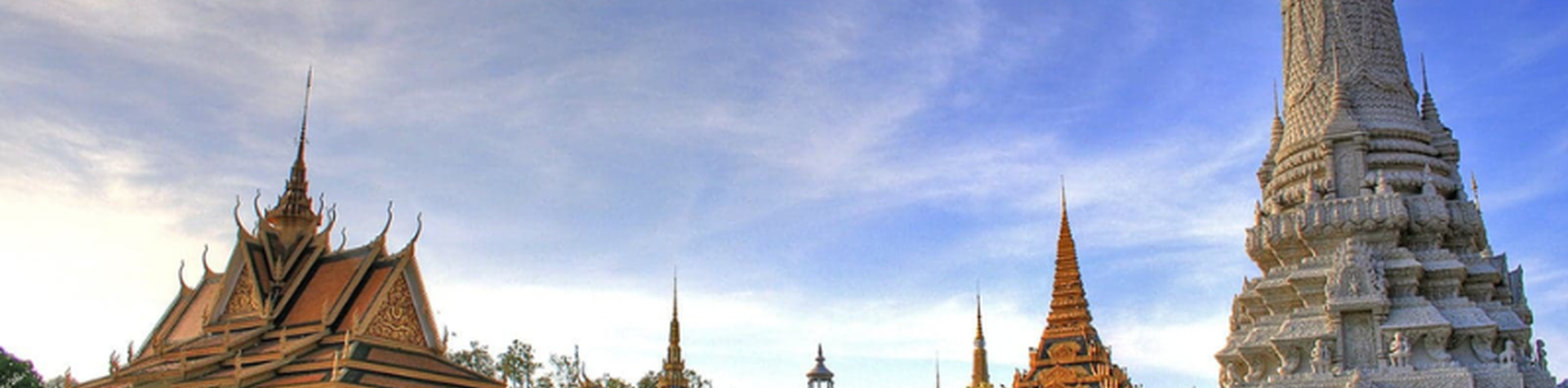
The Royal Palace shows elegance and tradition, while local markets reveal the city’s everyday pulse. Historical sites require sensitivity, but they also help travelers understand Cambodia’s resilience and human strength.
A meaningful Phnom Penh visit should include balance:
-
Start with culture: Visit the Royal Palace, Silver Pagoda, and riverside area for context.
-
Approach history with respect: Some sites are emotionally heavy and should not be treated as quick attractions.
-
Spend time in local neighborhoods: Cafés, markets, and street food corners reveal the city’s present-day life.
.png)
Taste Khmer Food Markets to Local Restaurants
Khmer food is one of the most underrated reasons to visit Cambodia. It is often gentler than Thai cuisine and less internationally known than Vietnamese food, but it has its own identity. Expect coconut, lemongrass, freshwater fish, herbs, pepper, and slow-cooked flavors.
Fish amok is the classic dish to try first, but the real joy comes markets and family-run restaurants. A good food experience connects travelers with local routines, not only restaurant menus.
Here are the food experiences worth adding:
-
Try fish amok: This creamy steamed curry is one of Cambodia’s signature dishes.
-
Visit a local market: Markets show how Cambodians shop, eat, bargain, and gather.
-
Taste Kampot pepper dishes: Kampot pepper gives Cambodian food a fragrant, sharp, memorable finish.
Slow Down in Kampot and Kep
Kampot and Kep are ideal for travelers who want Cambodia beyond temples and capitals. Kampot feels calm, with riverside cafés, pepper farms, colonial buildings, and mountain views. Kep is smaller and saltier, known for crab, sea breeze, and a slower coastal rhythm.
This part of Cambodia is perfect after Siem Reap and Phnom Penh. It gives the trip space to breathe. Instead of moving one major attraction to another, visitors can enjoy softer travel moments.
Consider these experiences:
-
Visit a Kampot pepper farm: It connects food, agriculture, and local livelihood in one stop.
-
Eat crab in Kep: The crab market is simple, lively, and full of coastal flavor.
-
Take a slow riverside evening: Kampot is best enjoyed without rushing.
.png)
End Your Trip on Koh Rong or Koh Rong Samloem
Cambodia may not be the first country people think of for beaches, but its islands can be a beautiful ending to a first trip. Koh Rong offers more energy, while Koh Rong Samloem feels quieter and softer. Both give travelers time to rest after temples, cities, and long drives.
The islands work best for people who want simple tropical beauty rather than polished luxury. Think clear water, sandy paths, beach bungalows, boat rides, and evenings that slow down naturally.
Choose based on your travel style:
-
Pick Koh Rong for more activity: It suits travelers who want beaches, bars, and social energy.
-
Pick Koh Rong Samloem for calm: It feels better for couples, slow travelers, and quiet escapes.
-
Check transport timing: Ferries and transfers can affect your Cambodia itinerary.
How Many Days Do You Need in Cambodia?
The right trip length depends on whether you only want Angkor or want to understand Cambodia more fully.
|
Trip Length |
Best For |
Suggested Route |
|
3–4 days |
Short cultural escape |
Siem Reap, Angkor Wat, Angkor temples |
|
5–7 days |
First-time classic trip |
Siem Reap, Tonle Sap, Phnom Penh |
|
8–10 days |
Deeper Cambodia journey |
Siem Reap, Phnom Penh, Kampot, Kep or islands |
If you travel with Asianway Travel, the route can be adjusted around your pace, interests, hotel style, and preferred travel rhythm.
.png)
See more: Cambodia Tour
Suggested Cambodia Itinerary for First-Time Visitors
A first Cambodia trip should not feel like a race. The best route gives each destination enough time to leave an impression.
Days 1–3: Siem Reap, Angkor Wat and Tonle Sap
Start in Siem Reap because it gives the strongest introduction to Cambodia. Spend one day at Angkor Wat, Bayon, and Ta Prohm. Use another day for deeper temple exploration or a countryside experience. Add Tonle Sap Lake near sunset to see another side of local life.
This opening works well because it combines Cambodia’s most iconic landmark with daily life around water, villages, markets, and small roads outside the tourist center.
Days 4–5: Phnom Penh, Royal Palace and Riverside Life
Move to Phnom Penh for history, culture, and city energy. Visit the Royal Palace, walk near the riverside, explore markets, and make time for Cambodia’s modern history with care and respect.
Two days are enough for a first visit, but the city should not be treated as only a transit stop. Phnom Penh helps travelers understand how Cambodia’s past and present sit side by side.
Days 6–7: Kampot, Kep or Cambodia’s Islands
For the final part, choose based on your mood. Kampot and Kep are better for food, pepper farms, riverside calm, and seafood. Koh Rong or Koh Rong Samloem are better for beaches, swimming, and a softer ending.
This choice makes the itinerary more personal. Some travelers want culture until the final day. Others want the trip to end with sand, sea, and silence.
.png)
Best Time to Visit Cambodia
The best time to visit Cambodia is usually November to April, when the weather is drier and temple visits are more comfortable. This period is popular, so major sites can feel busier.
The green season May to October brings rain, but it also makes the countryside lush and photogenic. For some travelers, this season feels more atmospheric and less crowded.
Choose your timing based on your priority:
-
For temples: November to February is more comfortable.
-
For beaches: Drier months are usually better.
-
For photography: Green season can bring dramatic skies and richer landscapes.
-
For fewer crowds: Shoulder months can offer a better balance.
Plan Your Cambodia Trip with Asianway Travel
The best things to do in Cambodia become more meaningful when they are arranged the right route. Asianway Travel helps travelers move beyond a standard checklist with local experienced planning, tailor-made tour design, and more than 20 years of experience in Southeast Asia.
Instead of asking you to follow a fixed itinerary, Asianway Travel can shape your Cambodia trip around your pace, travel style, and interests. Whether you want Angkor at sunrise, local food, riverside calm, island time, or a deeper cultural journey, your route can be built to feel personal the first day.
.png)
The Best Things to Do in Cambodia Start with the Right Route
The best things to do in Cambodia are not only about seeing Angkor Wat, visiting Phnom Penh, or relaxing on an island. They are about connecting these moments one journey that feels clear, balanced, and worth remembering.
Cambodia is ancient, emotional, warm, and quietly powerful. With Asianway Travel, your first trip can move beyond a list of places and become a tailor-made experience through temples, villages, flavors, rivers, and coastlines. Start planning your Cambodia journey with Asianway Travel today and travel with a route designed around you.