
What to See in Laos: 12 Essential Places for First-Time Visitors
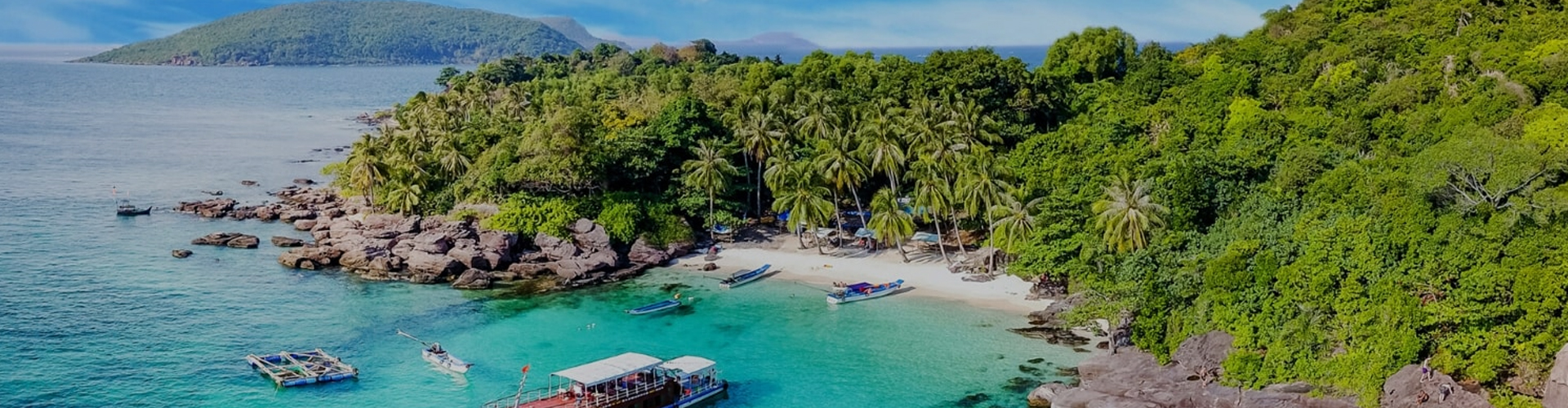
Laos rewards travelers who prefer meaningful places over crowded sightseeing routes. Ancient temples rise above quiet towns, limestone mountains frame riverside villages, and the Mekong shapes daily life north to south. However, the country’s main attractions are spread across several regions, so deciding what to see in Laos requires careful planning. This guide AsianWay Travel introduces 12 essential places for first-time visitors, explains what makes each one worth visiting, and helps you choose the right destinations for a 7-, 10-, or 14-day journey.
12 Best Places to See in Laos
The best places in Laos combine UNESCO-listed heritage, dramatic landscapes, archaeological sites and everyday local life. These 12 destinations represent the country’s strongest cultural and natural experiences.
1. Luang Prabang Old Town
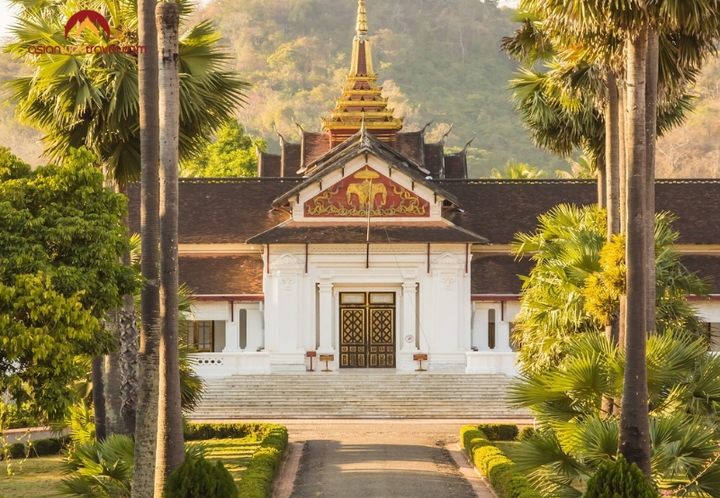
Luang Prabang is the cultural highlight of northern Laos. Its compact historic center brings together Buddhist temples, French colonial buildings, traditional wooden houses and two major rivers.
Early in the morning, monks walk through quiet streets while market vendors arrange herbs, vegetables and river fish under simple awnings. By evening, the Mekong turns gold behind temple roofs and palm trees.
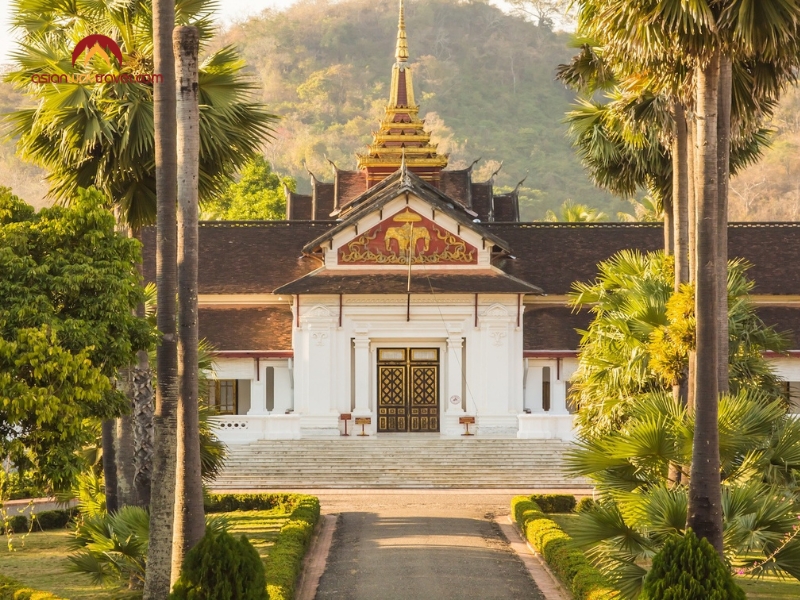
Key places include Wat Xieng Thong, the Royal Palace Museum, Mount Phousi and the morning market. Spend at least two full days here to experience both the main landmarks and the slower rhythm that makes Luang Prabang different busier Southeast Asian cities.
2. Kuang Si Waterfalls
Kuang Si Waterfalls is known for its limestone pools, where mineral-rich water flows through several forest levels before dropping a larger cascade.
The experience is more than a quick photo stop. Visitors can walk beside turquoise pools, swim in designated areas and continue uphill for wider views of the surrounding forest. The sound of falling water becomes louder as the trail approaches the main waterfall.
Kuang Si is around one hour Luang Prabang and works well as a half-day trip. Arriving early helps avoid the busiest period and gives you more time to enjoy the lower pools.
See more: Thailand Honeymoon Packages All Inclusive for Couples
3. Pak Ou Caves
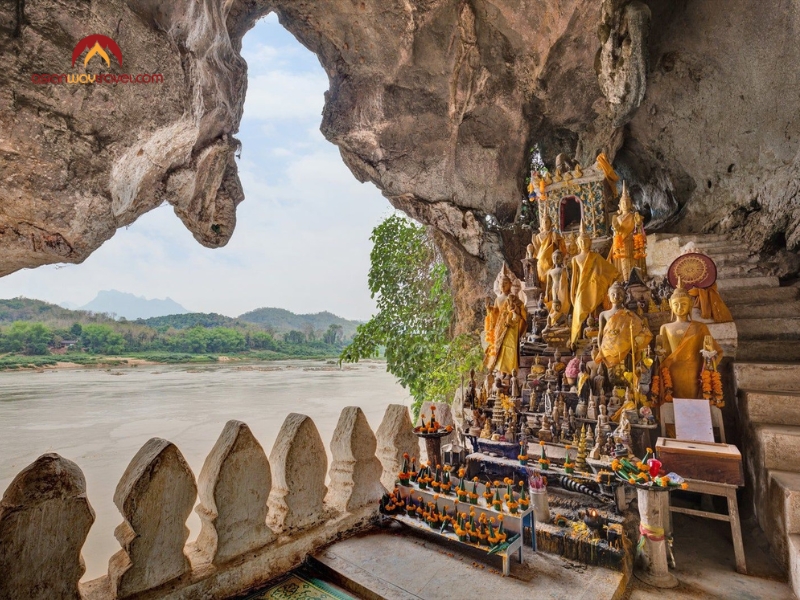
Pak Ou Caves sit inside a limestone cliff overlooking the Mekong River. The two caves contain thousands of Buddha images placed there by worshippers over many generations.
Reaching the caves by boat is part of the experience. Long-tail boats leave Luang Prabang and travel past riverbank gardens, fishing nets and small villages. Inside the lower cave, Buddha figures of different sizes stand beneath natural openings in the rock.
Pak Ou is most suitable for travelers interested in religion, river life and cultural history. It is often combined with a stop at a traditional village during a half-day excursion.
4. Vang Vieng’s Karst Mountains
Vang Vieng is surrounded by steep limestone formations that create one of the most recognizable landscapes in Laos. The town is now better known for viewpoints, caves, kayaking and countryside activities than for its former backpacker nightlife.
Popular viewpoints require a steep climb, but the reward is a wide view across rice fields, winding roads and sharp mountain peaks. At sunrise or late afternoon, mist often settles between the cliffs.
Travelers can also kayak on the Nam Song River, explore caves or cycle through nearby villages. Two or three nights allow enough time to enjoy the scenery without rushing between activities.
5. Blue Lagoons and Tham Phu Kham Cave
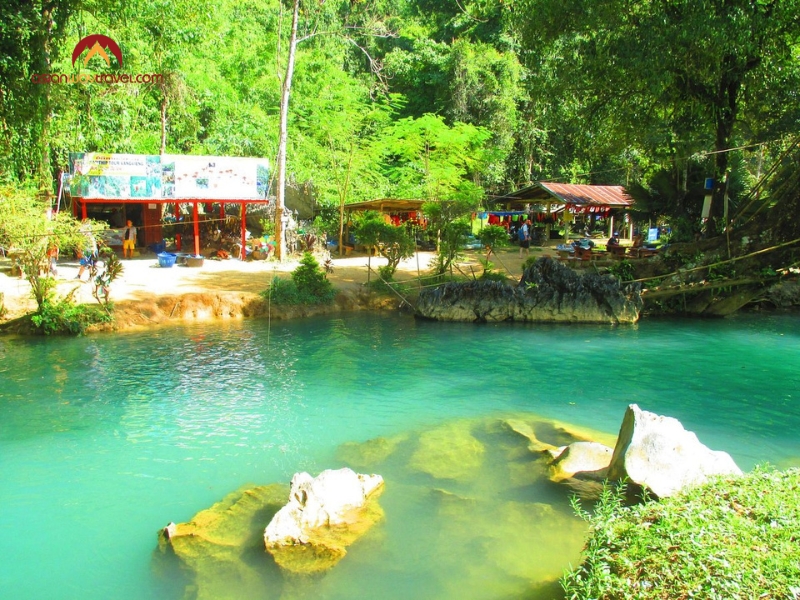
The Blue Lagoons around Vang Vieng provide easy places to swim after a morning of hiking or cycling. Some are busy and developed, while others are quieter and located farther town.
Blue Lagoon 1 is the most accessible and is often visited with Tham Phu Kham Cave. A steep path leads the cave, where natural chambers, rock formations and a reclining Buddha statue create a darker, more adventurous contrast to the bright water below.
Choose one or two lagoons rather than trying to visit all of them. The farther locations often provide a calmer setting, but travel time and road conditions should be considered.
6. Vientiane’s Temples and Monuments
Vientiane feels quieter than most national capitals. Its main landmarks can be explored without the traffic and density found in Bangkok, Hanoi or Phnom Penh.
Pha That Luang is the country’s most important Buddhist monument, while Wat Sisaket preserves thousands of small Buddha images. Patuxai offers city views its upper levels, and the Mekong riverfront becomes more active near sunset.
Vientiane is usually suitable for one or two days. It works best as a cultural stop and transport connection rather than the main focus of a first trip to Laos.
7. The Plain of Jars
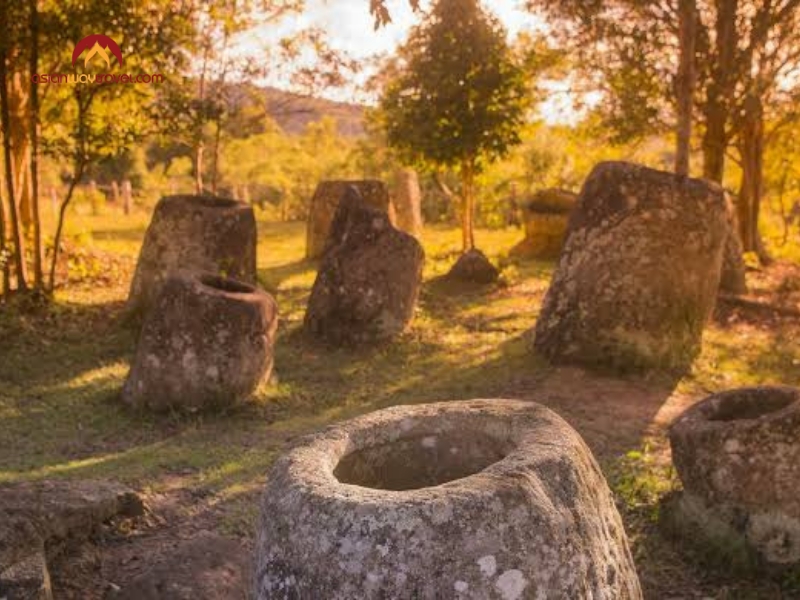
The Plain of Jars in Xieng Khouang Province is one of Southeast Asia’s most unusual archaeological landscapes. Large stone vessels, some weighing several tons, stand across open fields and low hills.
Their original purpose remains uncertain, although archaeological evidence links them to ancient burial practices. Walking between the jars creates a strong sense of scale, especially where the stone structures appear against wide grasslands and distant mountains.
Visitors should also learn about the region’s wartime history and unexploded ordnance. Only marked routes should be followed. The area suits travelers interested in archaeology, history and destinations beyond the standard Laos route.
8. Kong Lor Cave
Kong Lor Cave is a major limestone cave in central Laos, crossed by an underground river for several kilometers. Visitors travel through it in narrow motorboats guided by local boatmen.
Inside, the cave becomes almost completely dark. The boat engine echoes across high chambers while headlamps reveal rock walls, sandbanks and hanging formations. After crossing the cave, the river emerges a green valley surrounded by limestone cliffs.
Kong Lor is harder to reach than Luang Prabang or Vang Vieng, but it offers one of the country’s strongest adventure experiences. It is best included in a longer overland journey through central Laos.
9. Vat Phou
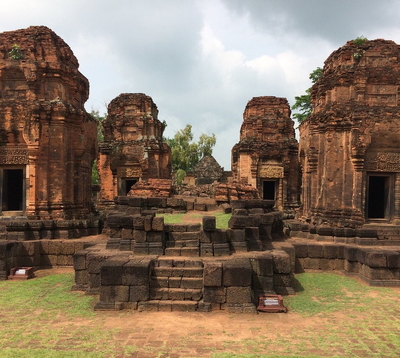
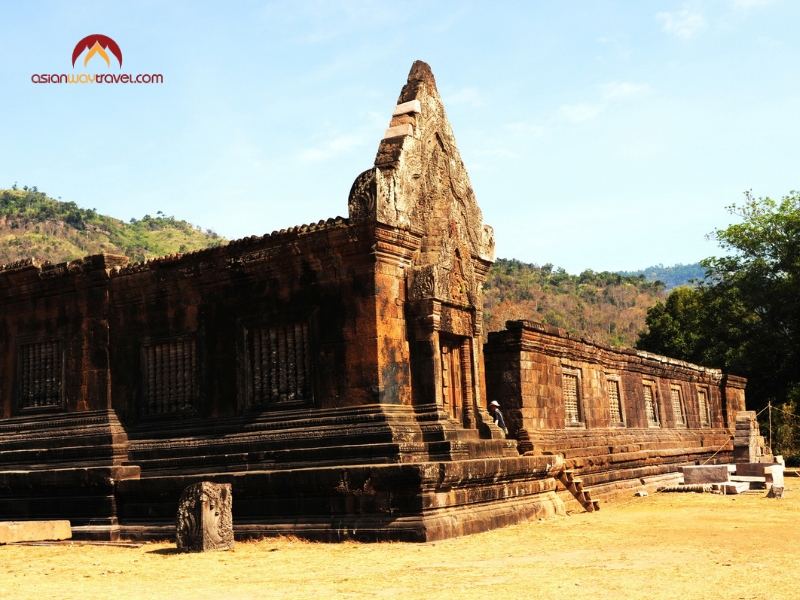
Vat Phou is a pre-Angkorian Khmer temple complex near Champasak in southern Laos. Its position on a mountainside gives the site both religious meaning and a strong visual connection with the surrounding landscape.
Visitors walk along a ceremonial route past reservoirs, stone structures and steep stairways. At the upper sanctuary, the view extends across fields toward the Mekong plain.
Unlike Angkor’s large temple clusters, Vat Phou feels open and quiet. It suits travelers who want to understand the wider history of Khmer civilization without the crowds found at Cambodia’s most famous archaeological sites.
See more: Lao Tour
10. Bolaven Plateau
The Bolaven Plateau is a highland region known for waterfalls, coffee farms, cooler temperatures and ethnic minority communities. It provides a different environment the hot lowlands around Pakse.
Tad Fane is one of the plateau’s most dramatic waterfalls, where twin streams drop a deep forested gorge. Other waterfalls offer easier access and natural pools. Coffee plantations introduce visitors to the region’s Arabica and Robusta production, growing and harvesting to roasting.
The plateau can be visited on a day trip, but two days provide a better pace. Road travel should be planned carefully during the rainy season.
11. Si Phan Don – The 4,000 Islands
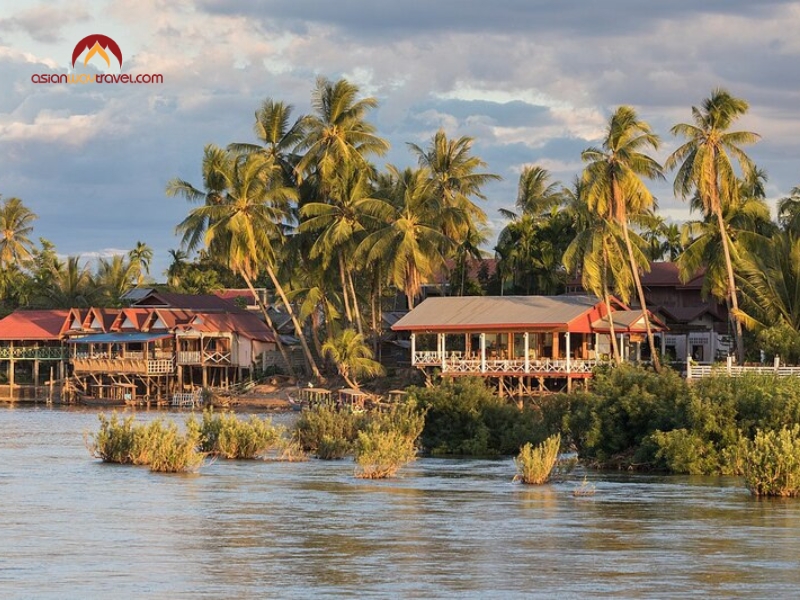
Si Phan Don is a river archipelago in the far south of Laos. Don Det and Don Khon are the most common bases for travelers seeking quiet days beside the Mekong.
Bicycles move along narrow village paths while boats pass between small islands and fishing nets stretch across the water. Old railway remains and a French colonial bridge connect the area with its transport history.
Si Phan Don is not defined by major monuments. Its value lies in slowing down, watching river life and exploring rural surroundings at an unhurried pace. Two or three nights are usually enough for a first visit.
12. Khone Phapheng Falls
Khone Phapheng Falls is the largest waterfall by volume in Southeast Asia and one of the Mekong River’s most powerful sections.
The water does not fall a single high cliff. Instead, it surges across a broad series of rocks, channels and rapids. the viewing areas, visitors can hear the force of the river before reaching the main viewpoint.
The falls are easily combined with Si Phan Don and provide a strong final stop in southern Laos. They are most impressive when water levels are high, although heavy rain can affect surrounding travel conditions.
How to Choose Which Places to Visit
You do not need to visit all 12 places in one trip. Choose destinations based on your interests, available time and preferred travel pace.
|
Travel interest |
Recommended places |
Suggested time |
|
Culture and heritage |
Luang Prabang, Vientiane, Vat Phou |
4–6 days |
|
Nature and adventure |
Vang Vieng, Kong Lor, Bolaven Plateau |
5–7 days |
|
Slow travel |
Luang Prabang, Si Phan Don |
5–8 days |
|
First complete trip |
Luang Prabang, Vang Vieng, Vientiane and Pakse |
10–14 days |
Best Time to See Laos
The dry season, generally November to February, offers comfortable temperatures and easier road travel. It is also the busiest period in Luang Prabang and Vang Vieng.
March and April are hotter, particularly in lowland areas. Outdoor sightseeing is more comfortable early in the morning or late in the afternoon.
The rainy season brings greener landscapes and stronger waterfalls, especially around Kuang Si and the Bolaven Plateau. However, heavy rain can affect rural roads, hiking routes and boat services. Travelers visiting during this period should keep some flexibility in their schedule.
See the Best of Laos with Asianway Travel
Knowing what to see in Laos is only the first step. The main challenge is connecting the right places without losing too much time to transfers or creating an itinerary that feels rushed.
With more than 20 years of experience in Southeast Asia, Asianway Travel designs private Laos journeys around your interests, travel dates and preferred pace. Our local specialists understand regional transport, seasonal conditions and the practical details of combining northern and southern Laos.
Explore our Laos tours or contact Asianway Travel to create a personalized itinerary covering the places that matter most to you.