

Food Tour Hanoi Vietnam: Explore Hanoi Through Culture and Cuisine
Food Tour Hanoi Vietnam: Explore Hanoi Through Culture and Cuisine
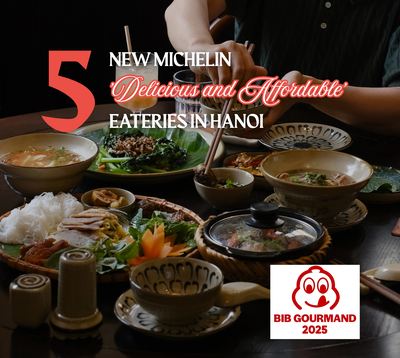
If you ask locals what makes Hanoi unforgettable, chances are they won't start with famous landmarks or bustling streets—they'll tell you about the food. A steaming bowl of pho enjoyed at sunrise, the smoky aroma of grilled pork drifting through the Old Quarter, or a cup of creamy egg coffee shared in a hidden café are the experiences that stay with visitors long after they leave. Every meal in Hanoi is rooted in tradition, family, and community, making food one of the most authentic ways to understand the city's identity. That's why joining a food tour Hanoi Vietnam is about far more than tasting local specialties. It's an opportunity to uncover centuries of history, meet passionate local vendors, and experience everyday life through the flavors that define Vietnam's capital. peaceful pagodas and ancient temples to lively markets and tucked-away eateries, Hanoi invites travelers to discover how culture and cuisine have evolved side by side for generations. Unlike many destinations where sightseeing and dining are separate activities, Hanoi naturally blends the two. A morning spent exploring historic landmarks can easily lead to lunch at a family-run noodle shop that has served the same recipe for decades. An afternoon wandering through the Old Quarter often ends with freshly grilled street food and conversations over egg coffee in a quiet alley. Together, these moments create a journey that feels both personal and unforgettable. Whether you're planning your first visit or looking to experience the city beyond its iconic attractions, a food tour Hanoi Vietnam offers the perfect introduction to Hanoi's history, culture, and vibrant culinary scene.
Why a Food Tour in Hanoi Is the Best Way to Discover the City
Hanoi is often described as Vietnam's culinary capital, but its food is only part of the story. Every dish reflects generations of tradition, regional influences, and family recipes that have been carefully preserved over time. Joining a food tour Hanoi Vietnam allows visitors to experience these traditions in the places where they were born rather than simply checking famous dishes off a travel list. One of the greatest advantages of exploring Hanoi with a knowledgeable local guide is discovering places that many visitors would otherwise overlook. Hidden alleyways, neighborhood markets, and modest family-run restaurants often serve some of the city's most memorable meals. These are the places where recipes have been passed down through generations and where locals continue to gather every day—not because they're tourist attractions, but because the food has earned their trust over decades. A great Hanoi food tour also provides valuable cultural context. Along the way, you'll learn why pho is traditionally enjoyed in the morning, why bun cha is considered the perfect lunchtime meal, and how Hanoi's café culture has evolved one of the city's defining experiences. Instead of simply tasting Vietnamese cuisine, you'll begin to understand how food reflects Hanoi's history, traditions, and way of life. Most importantly, a food tour encourages travelers to slow down. Rather than rushing one attraction to another, you'll pause to chat with local vendors, watch skilled cooks prepare dishes using time-honored techniques, and experience the warm hospitality that makes Hanoi so memorable.
Begin Your Journey with Hanoi's Cultural Heritage
Before discovering Hanoi's remarkable food scene, it's worth taking time to understand the city's cultural roots. Hanoi's cuisine has been shaped by more than a thousand years of history, and exploring its historic landmarks provides valuable insight the traditions behind many of the dishes you'll encounter later in the day. A peaceful morning often begins at West Lake, the largest freshwater lake in Hanoi. Surrounded by tree-lined roads, lakeside cafés, and quiet neighborhoods, West Lake offers a refreshing contrast to the energetic streets of the city center. Early each morning, locals gather here to exercise, enjoy coffee with friends, or simply watch the sunrise over the water. The relaxed atmosphere provides an authentic glimpse everyday life before the city's busy pace takes over. Nearby stands Tran Quoc Pagoda, the oldest Buddhist pagoda in Hanoi and one of the city's most significant spiritual landmarks. With a history stretching back more than 1,500 years, the pagoda has witnessed the growth of Vietnam's capital through countless generations. Its elegant architecture and tranquil setting invite visitors to pause and appreciate the deep spiritual traditions that continue to influence Vietnamese culture today. The journey continues at the Temple of Literature, Vietnam's first national university and one of Hanoi's most treasured historical sites. Built in 1070, the temple symbolizes the country's long-standing respect for education, scholarship, and Confucian values. Walking through its peaceful courtyards and beautifully preserved gardens offers a fascinating contrast to the vibrant streets waiting beyond its ancient walls. Exploring these cultural landmarks before joining a food tour Hanoi Vietnam creates a richer travel experience. By understanding Hanoi's history first, every meal that follows becomes more meaningful, revealing not only delicious flavors but also the stories and traditions that have shaped the city's culinary identity.
The Old Quarter – The Heart of Every Food Tour Hanoi Vietnam
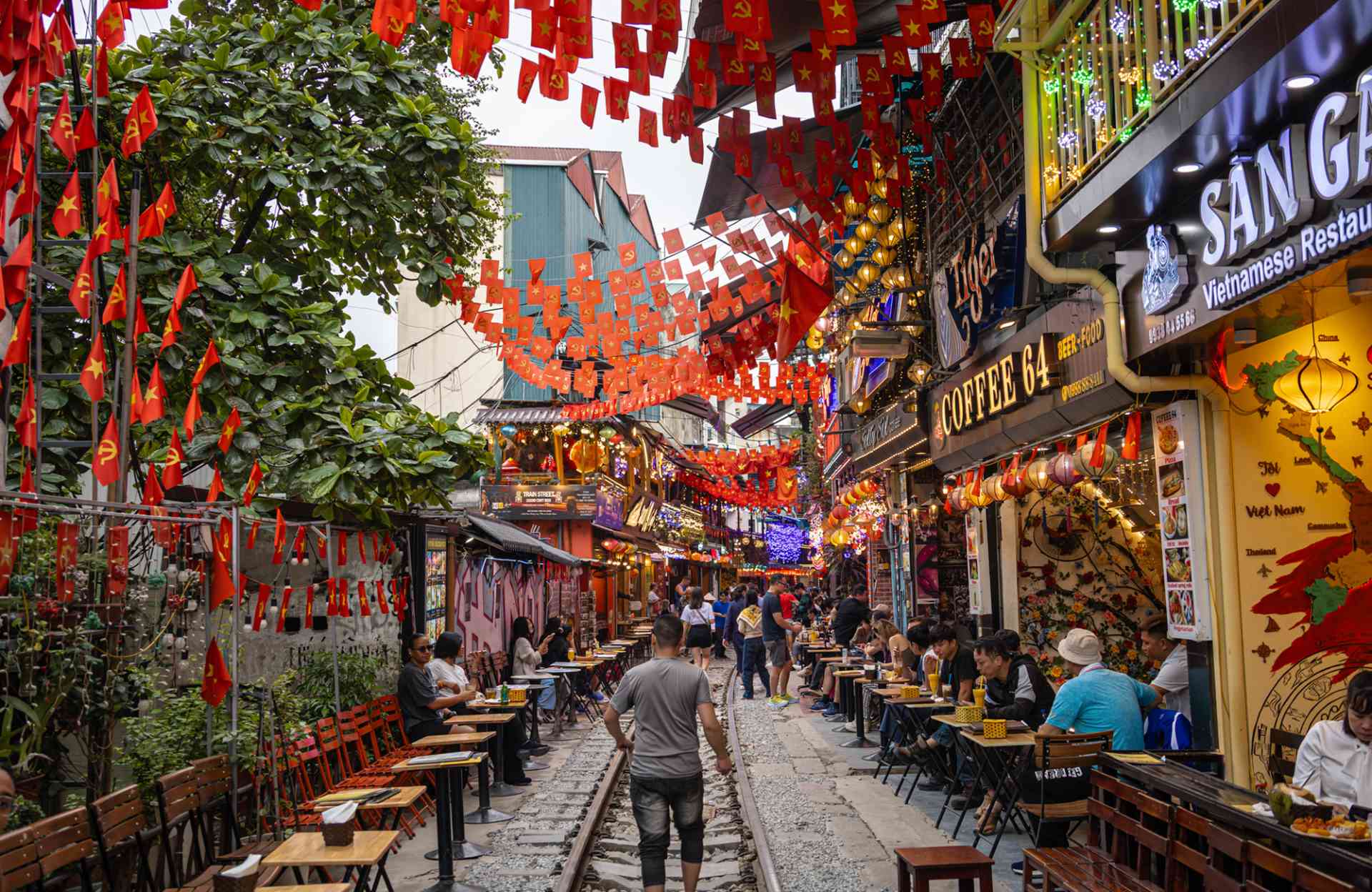
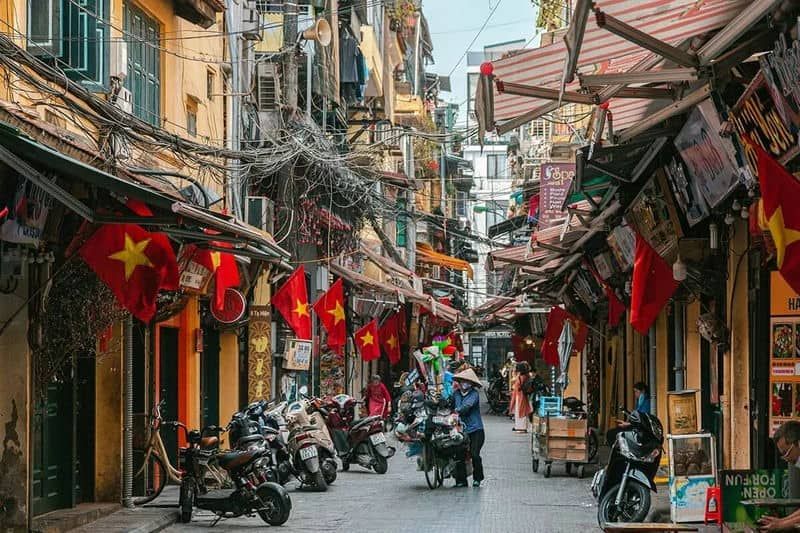
No food tour Hanoi Vietnam is complete without exploring the Old Quarter, the historic neighborhood where the city's culinary traditions come alive. Dating back over a thousand years, this maze of narrow streets has long been the commercial and cultural heart of Hanoi. Although modern cafés and boutiques have found their place here, the Old Quarter continues to preserve its authentic atmosphere through generations-old businesses, bustling street markets, and family-run eateries. As you wander through the famous "36 Streets," every corner offers a new sensory experience. The scent of simmering broth drifts tiny noodle shops, charcoal grills fill the air with the irresistible aroma of marinated pork, and vendors carefully arrange baskets overflowing with fresh herbs, tropical fruits, and fragrant spices. It's impossible to walk far without discovering another local specialty waiting to be tasted. One of the greatest pleasures of exploring the Old Quarter is embracing its slower rhythm. Sit beside local office workers enjoying a quick bowl of noodles before work, watch experienced cooks prepare delicate rice rolls by hand, or stop at a tiny café hidden behind an old colonial building for Hanoi's famous egg coffee. These simple moments reveal a side of the city that many visitors miss when focusing only on major attractions. The neighborhood becomes even more vibrant as evening approaches. Around Hoan Kiem Lake, locals gather to exercise, families enjoy leisurely walks, and the surrounding streets fill with food lovers searching for dinner. This lively atmosphere perfectly captures why a food tour remains one of the most rewarding experiences for anyone hoping to discover the authentic spirit of Vietnam's capital.
Must-Try Dishes on Every Food Tour Hanoi Vietnam
Pho – Hanoi's Most Iconic Breakfast
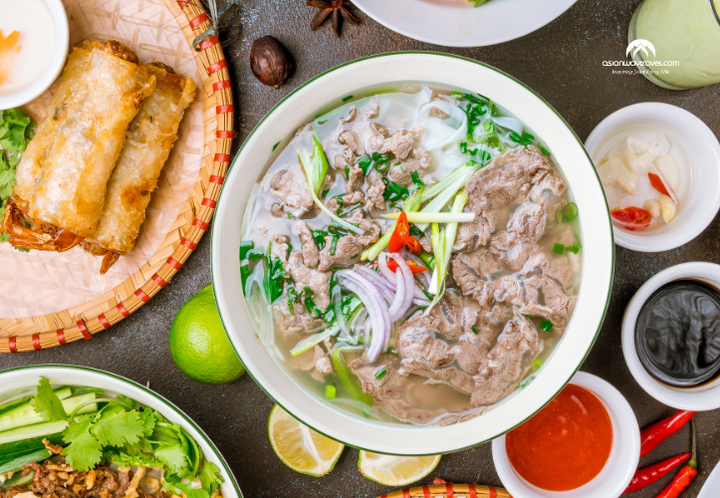
No food tour Hanoi truly begins without a steaming bowl of authentic pho. While this world-famous noodle soup can now be found across the globe, tasting it in Hanoi offers a completely different experience. Here, pho is not simply a popular dish—it's an essential part of the city's daily rhythm. Before sunrise, countless restaurants begin serving bowls of fragrant broth that have simmered slowly through the night. Made beef bones and delicately infused with spices such as star anise, cinnamon, ginger, and cloves, the broth is remarkably clear yet deeply flavorful. Combined with silky rice noodles, tender slices of beef, and a scattering of fresh herbs, Hanoi-style pho embraces balance and simplicity rather than overwhelming diners with countless toppings. Perhaps the most memorable part of eating pho in Hanoi is the atmosphere surrounding it. Locals gather on small plastic stools, chatting with neighbors before work while steam rises every table. It's a scene that has remained largely unchanged for generations and offers visitors a genuine glimpse everyday life in the capital. More than just breakfast, pho serves as a daily ritual that beautifully reflects Hanoi's enduring culinary traditions.

Bun Cha – Hanoi's Beloved Lunchtime Tradition
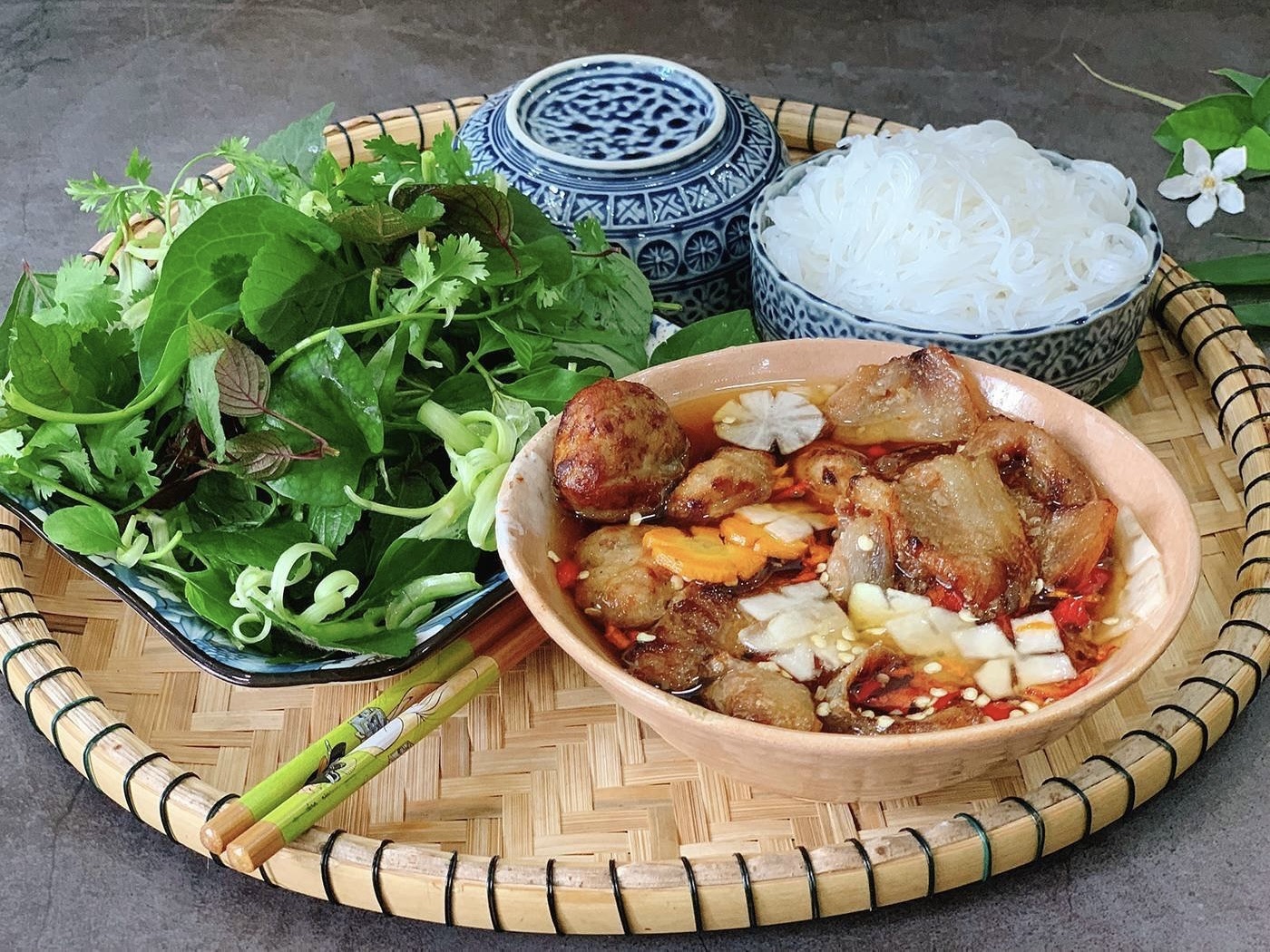
If pho belongs to the early morning, bun cha belongs to lunchtime. No food tour Hanoi is complete without sitting down at a local restaurant to enjoy this iconic dish, where smoky grilled pork, fresh herbs, rice noodles, and a light dipping sauce come together in perfect harmony. The magic of bun cha begins over charcoal grills lining the sidewalks of Hanoi. Skilled cooks patiently grill marinated pork patties and slices of pork belly until they develop a slightly caramelized exterior while remaining tender and juicy inside. The meat is then served alongside a bowl of lightly sweetened fish sauce infused with vinegar, garlic, green papaya, and carrots, creating a balance of sweet, savory, and tangy flavors that perfectly complements the fresh herbs and noodles. Beyond its incredible taste, bun cha represents the social side of Hanoi's dining culture. Around midday, restaurants fill with office workers, students, and families gathering for lunch, creating an atmosphere that feels lively yet welcoming. Sitting among locals, enjoying the smoky aroma drifting through the air, is just as memorable as the dish itself.
Banh Cuon – A Delicate Taste of Hanoi
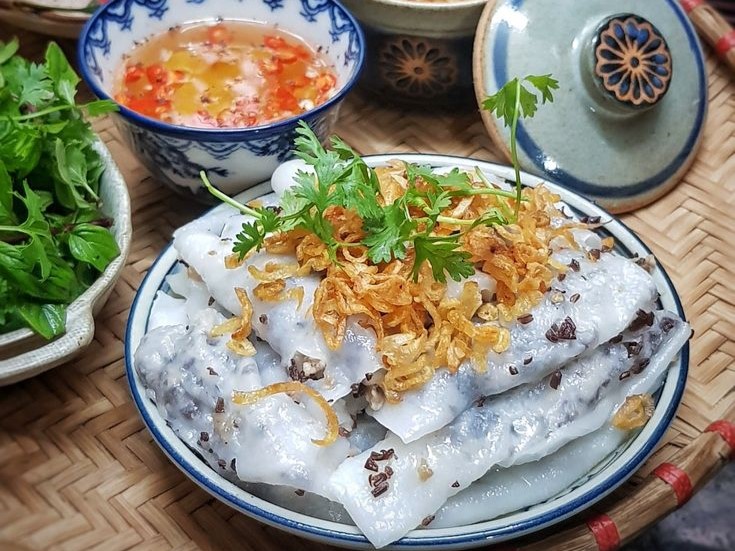
One of the hidden gems you'll often discover on a food tour is banh cuon, a deceptively simple dish that showcases the precision and elegance of Vietnamese cooking. Made an ultra-thin sheet of steamed rice batter wrapped around seasoned minced pork and wood ear mushrooms, each roll is prepared fresh to order with remarkable speed and skill. Watching the process is almost as enjoyable as tasting the final dish. Vendors carefully spread the rice batter across a cloth stretched over boiling water before lifting the delicate sheet with practiced movements that have often been perfected over decades. The finished rolls are topped with crispy fried shallots and served alongside Vietnamese sausage, fresh herbs, and a light fish sauce for dipping. Unlike heavier meals, banh cuon offers a light yet satisfying start to the day, making it a favorite breakfast among many Hanoians. Its subtle flavors remind visitors that Hanoi's cuisine isn't defined by bold spices alone—it also celebrates balance, freshness, and craftsmanship.
More Than Famous Dishes: The Flavors Hidden in Hanoi's Streets
One of the greatest joys of joining a food tour Hanoi Vietnam is discovering that the city's culinary treasures extend far beyond its internationally famous dishes. Wander through the narrow lanes of the Old Quarter, and every few steps reveal another specialty waiting to be explored. A freshly prepared banh mi offers the perfect example of Vietnam's fascinating cultural influences. Crispy on the outside and soft inside, the baguette reflects French colonial heritage while its fillings—ranging grilled pork and pâté to pickled vegetables, herbs, and chili sauce—are unmistakably Vietnamese. Another local favorite is nom bo kho, or Vietnamese dried beef salad. Combining shredded green papaya, dried beef, roasted peanuts, fresh herbs, and a sweet-and-sour dressing, the dish delivers a refreshing contrast to Hanoi's richer grilled specialties. It's especially popular as an afternoon snack shared among friends. Depending on the season, your guide may also introduce fresh tropical fruits purchased neighborhood vendors or traditional sweet desserts known as che. Whether it's juicy mango, fragrant lychee, creamy coconut desserts, or colorful sweet soups, these lighter treats provide the perfect balance after a day of exploring Hanoi's vibrant food scene. Rather than following a fixed menu, the best food tour Hanoi Vietnam experiences embrace spontaneity. Every street, every market, and every family-run eatery has its own specialties, allowing each journey to feel unique.
Egg Coffee – Hanoi's Most Iconic Drink
No visit to Hanoi would be complete without experiencing its world-famous egg coffee, one of the city's most distinctive culinary creations. Invented in the 1940s during a period when fresh milk was difficult to obtain, this remarkable drink combines robust Vietnamese coffee with a velvety mixture of whipped egg yolk and sweetened condensed milk. Served in small cups placed inside bowls of hot water to maintain the perfect temperature, egg coffee surprises first-time visitors with its smooth, creamy texture and balanced flavor. Despite its name, the drink carries no strong egg taste. Instead, it resembles a rich dessert, with notes of caramel, custard, and chocolate beautifully complementing the bold coffee beneath. Many of Hanoi's most charming cafés are tucked away above busy streets or hidden inside narrow alleyways, making the search itself part of the adventure. Climbing an old staircase to discover a quiet café overlooking the rooftops of the Old Quarter often becomes one of the highlights of a food tour Hanoi Vietnam, offering a peaceful moment to reflect on the day's discoveries.

What Makes a Great Food Tour in Hanoi?
Not every culinary experience offers the same level of authenticity. The best food tour Hanoi Vietnam experiences go beyond introducing visitors to famous dishes—they create meaningful connections with the people, traditions, and neighborhoods that give Hanoi its unique character. A knowledgeable local guide plays an essential role, sharing stories that cannot be found in guidebooks and introducing travelers to family-run eateries that have quietly served the community for generations. Small group sizes also make the experience more personal, allowing plenty of opportunities to ask questions, interact with vendors, and appreciate the craftsmanship behind each dish. Equally important is the balance between food and culture. Exploring Hanoi's historic landmarks, wandering through the Old Quarter, visiting local markets, and observing everyday life all provide valuable context that deepens your appreciation of the cuisine. By the time you sit down for a bowl of pho or sip your first egg coffee, you'll understand not only how these dishes taste, but why they have become such an important part of Hanoi's identity.
Travel Tips for the Best Food Tour Hanoi Vietnam
To make the most of your food tour Hanoi Vietnam, arrive with an open mind and an empty stomach. Hanoi's street food culture is built around sampling a variety of dishes rather than eating one large meal, so pace yourself and enjoy each stop along the journey. Comfortable walking shoes are highly recommended, as many of the city's best food experiences are found in the narrow streets and hidden alleyways of the Old Quarter. Carrying a small amount of cash can also be useful when purchasing snacks local vendors, while lightweight clothing helps visitors stay comfortable in Hanoi's warm climate. Most importantly, don't hesitate to try something unfamiliar. Some of the city's most memorable flavors are found in modest family-run restaurants that may not attract attention the outside. Trust your guide, embrace the unexpected, and allow curiosity to lead the way—it's often these spontaneous moments that become the highlights of any culinary adventure.
Discover Hanoi Through Its Culture and Cuisine
The true beauty of a food tour Hanoi Vietnam lies in its ability to reveal the city through everyday experiences. Beyond the famous attractions and well-known dishes are the conversations with local vendors, the aroma of charcoal grills drifting through centuries-old streets, the quiet cafés hidden above bustling alleyways, and the traditions that continue to shape life in Vietnam's capital. For travelers seeking more than a typical sightseeing itinerary, combining Hanoi's cultural heritage with its remarkable street food scene creates a richer and more rewarding journey. Exploring historic landmarks before wandering through the Old Quarter allows every meal to carry deeper meaning, connecting flavors with the stories, people, and places that make Hanoi so unforgettable.
At Asianway Travel, we believe that the most meaningful journeys are built around authentic local experiences. Our carefully designed cultural and culinary tours invite travelers to discover Hanoi beyond its landmarks, blending iconic heritage sites with family-run eateries, vibrant street food, and the everyday moments that define local life. It's an experience that allows you not only to taste Hanoi, but to truly understand it.
See more: Best Places to Visit in Vietnam: A Complete Guide
See more: Best Things to Do in Vientiane: 10 Essential Experiences in Laos’ Capital